High Dose Radiation
High Dose Radiation refers to a specialized form of radiation therapy that delivers a significantly higher dose of radiation to a targeted area compared to conventional approaches. This advanced treatment aims to maximize cancer cell destruction while minimizing impact on surrounding healthy tissues.
Key Takeaways
- High Dose Radiation Therapy delivers concentrated radiation to tumors, often in fewer sessions.
- It works by precisely targeting cancer cells with high-energy beams, damaging their DNA.
- Benefits include enhanced tumor control and shorter treatment durations.
- Side effects are typically localized and managed through personalized care plans.
- Advanced technologies like SBRT and brachytherapy are integral to its precise delivery.
What is High Dose Radiation Therapy?
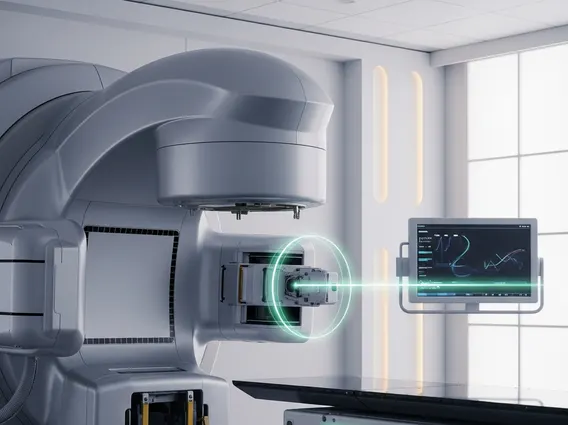
High Dose Radiation Therapy is an advanced oncological treatment that utilizes highly focused, intense beams of radiation to destroy cancer cells. Unlike conventional radiation, which delivers smaller doses over many weeks, this approach delivers a much higher dose per treatment session, often reducing the total number of treatments required. The primary goal is to deliver a potent, tumor-killing dose directly to the cancerous tissue while sparing adjacent healthy organs and structures. This precision is crucial for treating various solid tumors, including those in the lung, prostate, liver, and spine, offering a more aggressive and potentially more effective treatment option for suitable patients.
How High Dose Radiation Works
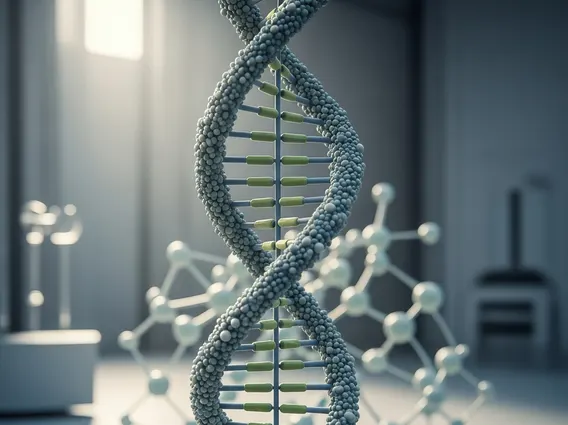
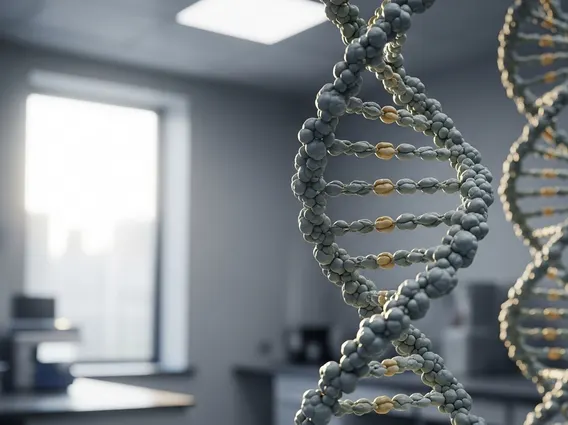
High Dose Radiation works by delivering a concentrated burst of energy that damages the DNA of cancer cells, preventing them from growing and dividing. This damage leads to cell death, causing the tumor to shrink or disappear over time. The effectiveness hinges on extremely precise targeting, achieved through sophisticated imaging and delivery systems. Modern techniques ensure that the radiation dose conforms closely to the tumor’s shape, even accounting for patient movement during treatment.
Key technologies enabling this precision include:
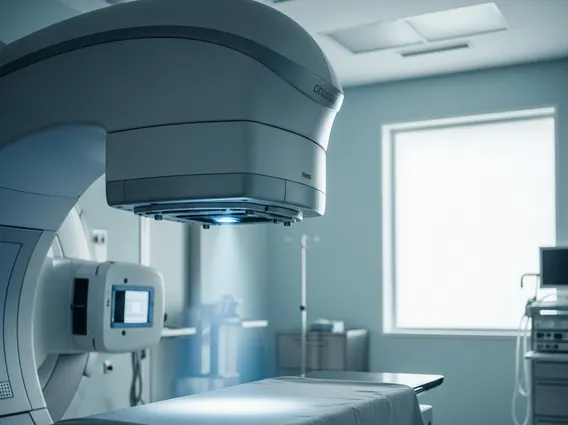
- Stereotactic Body Radiation Therapy (SBRT): A non-invasive technique that delivers very high doses of radiation to small, well-defined tumors in a few treatment sessions.
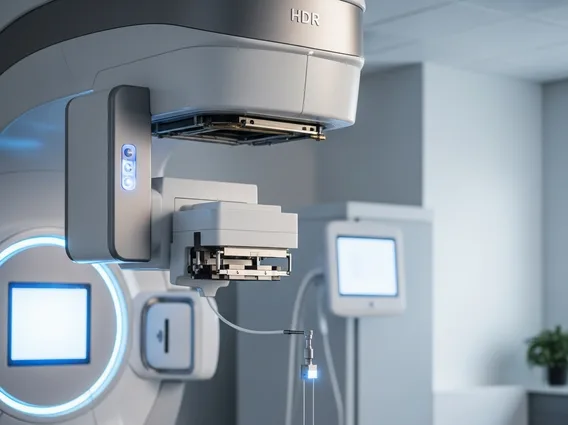
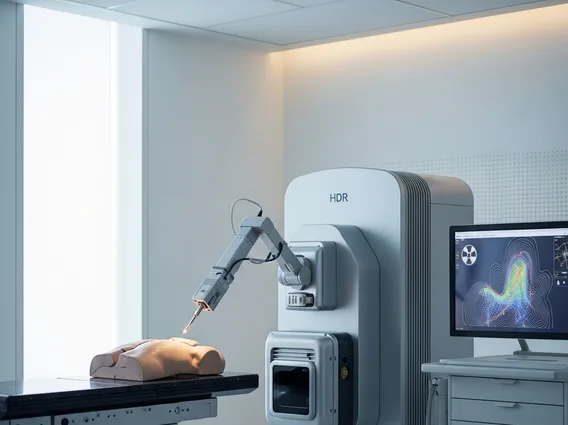
- Brachytherapy: Involves placing radioactive sources directly inside or next to the tumor, delivering a high dose of radiation internally.
- Image-Guided Radiation Therapy (IGRT): Uses imaging scans before and during each treatment to ensure the radiation is delivered exactly where it’s needed.
These methods allow clinicians to maximize the therapeutic ratio, meaning more damage to the tumor and less to healthy tissue, which is fundamental to how does high dose radiation work effectively.
Benefits and Side Effects of High Dose Radiation
The benefits of high dose radiation treatment are significant, particularly for patients with localized cancers. These benefits often include higher rates of tumor control or eradication, fewer treatment sessions, and a shorter overall treatment duration compared to conventional radiation. For instance, SBRT can often complete a course of treatment in 1 to 5 sessions, whereas traditional radiation might require 20 to 40 sessions. This can lead to improved quality of life during treatment and faster recovery times. According to data from organizations like the American Society for Radiation Oncology (ASTRO), highly conformal radiation techniques have demonstrated excellent local control rates for various cancers.
However, like all potent medical interventions, there are potential high dose radiation side effects. These side effects are typically localized to the treated area and depend heavily on the location and size of the tumor, as well as the dose delivered. Common side effects can include fatigue, skin irritation (redness, dryness, peeling) in the treatment field, and temporary inflammation of nearby organs. For example, radiation to the chest might cause temporary lung inflammation, while pelvic radiation could lead to bowel or bladder irritation. Most side effects are temporary and managed with supportive care, though some long-term effects can occur. Treatment plans are highly individualized to balance efficacy with minimizing adverse effects.
| Aspect | Benefits | Potential Side Effects |
|---|---|---|
| Treatment Efficacy | High tumor control rates; potent cancer cell destruction. | Localized inflammation; temporary organ irritation. |
| Treatment Duration | Fewer sessions (e.g., 1-5 for SBRT); shorter overall treatment time. | Fatigue; skin reactions in the treated area. |
| Precision | Minimizes damage to surrounding healthy tissues. | Risk of long-term tissue changes, though minimized by precision. |