Hifu
Hifu, or High-Intensity Focused Ultrasound, represents a non-invasive medical technology utilized across various clinical applications. This article explores the fundamental principles behind Hifu, detailing its procedural aspects, and outlining both the potential advantages and considerations associated with its use.
Key Takeaways
- Hifu uses focused ultrasound energy to create thermal coagulation points in targeted tissue layers.
- The procedure is non-invasive, typically requiring no incisions or extensive downtime.
- Hifu is commonly employed for tissue tightening and lifting, particularly in aesthetic medicine.
- Potential benefits include improved skin elasticity and contour, while risks are generally mild and temporary.
- Consultation with a qualified medical professional is crucial to determine suitability and manage expectations.
What is Hifu and How Does it Work?
Hifu stands for High-Intensity Focused Ultrasound. This advanced medical technology uses precisely focused ultrasound energy to target specific layers of tissue beneath the skin’s surface without damaging the outer layers. The energy causes thermal coagulation points, which stimulate the body’s natural healing response, leading to collagen production and tissue remodeling. This process effectively addresses concerns related to tissue laxity and structural integrity.
The mechanism behind Hifu involves transducers that deliver concentrated ultrasound waves. These waves bypass the superficial skin layers and converge at a predetermined depth, generating heat. This controlled thermal injury initiates neocollagenesis, the production of new collagen, and elastin fibers. Over time, this results in a gradual tightening and lifting effect on the treated areas. For instance, the way Hifu works for skin tightening involves targeting the superficial muscular aponeurotic system (SMAS) layer, a foundational layer often addressed in surgical facelifts, to achieve a non-surgical lift.
Hifu Procedure Explained
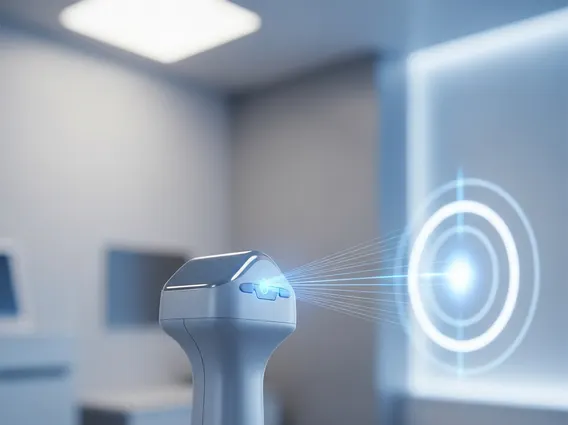
The Hifu procedure typically begins with a consultation to assess the patient’s suitability and discuss desired outcomes. Before the treatment, the targeted area is cleansed, and a gel is applied to facilitate the transmission of ultrasound waves. The practitioner then uses a handheld device that delivers focused ultrasound energy to specific depths of the tissue. Patients may experience sensations ranging from mild warmth to a tingling or prickling feeling during the energy delivery.
The duration of a Hifu procedure varies depending on the size and number of areas being treated, but it generally ranges from 30 minutes to an hour or more. There is typically no downtime required, allowing patients to resume their normal activities immediately. Post-treatment, some individuals might experience temporary redness, swelling, or tenderness in the treated area, which usually subsides within a few hours or days. Full results often become apparent over two to three months as new collagen is generated, with continued improvement for up to six months.
Benefits and Risks of Hifu Treatment
Hifu treatment offers various potential advantages and considerations for anyone contemplating this procedure. The primary advantages often include its non-invasive nature, meaning no incisions, needles, or extensive recovery periods are involved. This makes it an appealing option for individuals seeking improvements without undergoing surgery.
Key Hifu benefits include:
- Non-surgical lifting and tightening of the skin on the face, neck, and décolletage.
- Reduction in the appearance of fine lines and wrinkles.
- Improved skin elasticity and firmness.
- Minimal to no downtime, allowing for immediate return to daily activities.
- Stimulation of natural collagen production for long-lasting results.
However, like any medical procedure, there are potential Hifu risks and side effects associated with the treatment. These are generally mild and temporary.
Potential risks include:
- Temporary redness or swelling in the treated area.
- Mild tenderness or numbness, which usually resolves within a few days or weeks.
- Bruising, though uncommon, can occur.
- Rarely, temporary nerve paresthesia (tingling or numbness) has been reported, which typically resolves.
It is crucial for individuals to consult with a qualified and experienced medical professional to discuss their specific health profile, understand the potential outcomes, and ensure the procedure is performed safely. The U.S. Food and Drug Administration (FDA) has cleared Hifu devices for certain aesthetic indications, emphasizing the importance of choosing FDA-cleared technology and certified practitioners.