Hif
Hif, an abbreviation for Hypoxia-inducible factor, is a crucial protein complex that plays a central role in the body’s response to varying oxygen levels. Understanding its function is vital for comprehending numerous physiological processes and disease states.
Key Takeaways
- Hif (Hypoxia-inducible factor) is a protein complex that acts as a master regulator of oxygen homeostasis in cells and tissues.
- It enables cells to adapt to low oxygen conditions (hypoxia) by activating genes involved in energy metabolism, blood vessel formation, and red blood cell production.
- Hif’s activity is tightly controlled by oxygen levels, being stabilized in hypoxia and rapidly degraded in normal oxygen conditions.
- Dysregulation of Hif is implicated in various diseases, including cancer, anemia, and cardiovascular disorders.
- Targeting Hif pathways offers significant therapeutic potential for treating these conditions.
What is Hif (Hypoxia-inducible factor)?
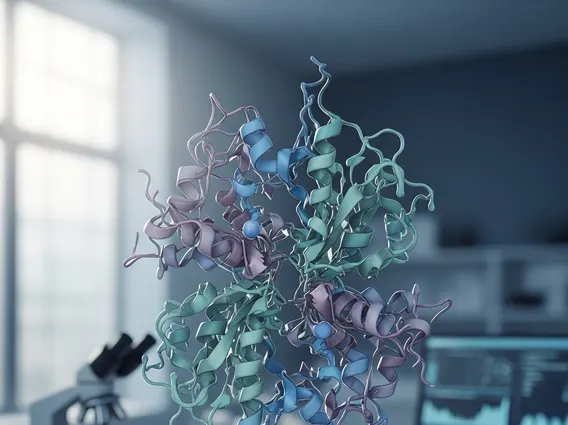
Hif (Hypoxia-inducible factor) refers to a family of transcription factors that are essential for cellular and systemic adaptation to hypoxia, a state of reduced oxygen availability. The Hif meaning and definition highlight its role as a key sensor and mediator of oxygen levels within biological systems. It is a heterodimeric protein complex composed of an oxygen-sensitive alpha subunit (Hif-1α, Hif-2α, or Hif-3α) and a constitutively expressed beta subunit (Hif-1β, also known as ARNT).
This complex acts by binding to specific DNA sequences called Hypoxia-Responsive Elements (HREs) in the promoters of target genes, thereby regulating their expression. The stability of the alpha subunit is precisely controlled by oxygen levels, making it the primary determinant of Hif activity. Information about Hif reveals that its discovery revolutionized our understanding of how cells perceive and respond to changes in their oxygen environment, impacting fields from developmental biology to oncology. Simply put, Hif explained simply is the body’s internal thermostat for oxygen, switching on adaptive responses when oxygen runs low.
Hif’s Role in Cellular Oxygen Sensing
The core function of Hif lies in its ability to sense and respond to oxygen fluctuations. Under normal oxygen conditions (normoxia), Hif-α subunits are rapidly degraded. This process is initiated by prolyl hydroxylase domain (PHD) enzymes, which hydroxylate specific proline residues on Hif-α. This hydroxylation marks Hif-α for ubiquitination by the von Hippel-Lindau (VHL) tumor suppressor protein, leading to its proteasomal degradation. Consequently, Hif activity is minimal in normoxia.
However, when oxygen levels drop (hypoxia), PHD enzymes become inactive due to their oxygen dependence. This prevents the hydroxylation of Hif-α, leading to its stabilization and accumulation within the cell. Stabilized Hif-α then translocates to the nucleus, dimerizes with Hif-β, and forms the active Hif transcription factor. This complex then binds to HREs, activating the transcription of hundreds of genes involved in various adaptive responses. These responses include:
- Erythropoiesis: Stimulating the production of red blood cells to enhance oxygen transport.
- Angiogenesis: Promoting the formation of new blood vessels to improve oxygen delivery to tissues.
- Glucose Metabolism: Shifting cells towards anaerobic glycolysis to produce energy without oxygen.
- Cell Survival: Enhancing cell viability under stressful low-oxygen conditions.
This intricate regulatory mechanism ensures that cells can efficiently adapt to changes in oxygen availability, maintaining cellular homeostasis.
Clinical Relevance and Therapeutic Potential of Hif
The ubiquitous role of Hif in oxygen sensing makes it a critical player in both health and disease. Dysregulation of Hif pathways is implicated in a wide range of pathological conditions. In cancer, for instance, many tumors exhibit hypoxic regions, leading to chronic Hif activation. This activation promotes tumor growth, angiogenesis, metastasis, and resistance to therapy, making Hif a significant therapeutic target in oncology. According to the National Cancer Institute, hypoxia is a common feature in solid tumors and is associated with aggressive disease progression.
Conversely, enhancing Hif activity can be beneficial in conditions characterized by insufficient oxygen or impaired oxygen delivery. For example, in anemia, Hif activation stimulates erythropoietin production, leading to increased red blood cell count. This principle has been leveraged in the development of Hif prolyl hydroxylase inhibitors (HIF-PHIs), a class of drugs used to treat anemia associated with chronic kidney disease. These drugs stabilize Hif-α, mimicking a hypoxic response and boosting erythropoiesis. Furthermore, Hif modulation holds promise for treating ischemic diseases, such as myocardial infarction and stroke, by promoting angiogenesis and tissue repair. Research continues to explore the precise targeting of Hif pathways to develop novel therapies for these and other conditions.