
Hemorrhage
Hemorrhage refers to the escape of blood from a ruptured blood vessel, which can occur internally within the body or externally. It is a critical medical condition that requires prompt attention, as the severity can range from minor blood loss to life-threatening situations.
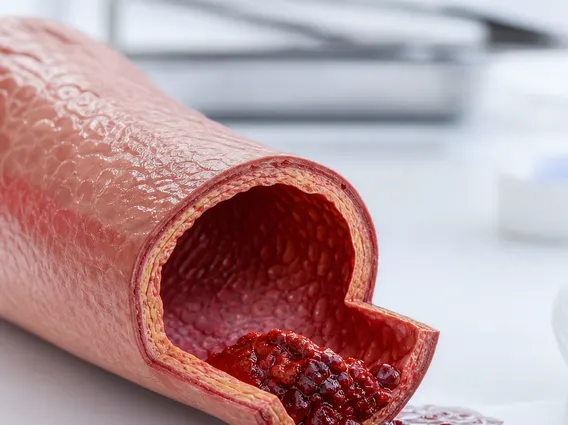
Key Takeaways
- Hemorrhage is the medical term for bleeding, which can be internal or external.
- Causes often include trauma, underlying medical conditions, or certain medications.
- Symptoms vary depending on the location and severity of bleeding, but can include visible blood, bruising, pain, and signs of shock.
- Different types of hemorrhage exist, classified by the affected vessel (arterial, venous, capillary) or location (internal, external).
- Treatment focuses on stopping the bleeding, replacing lost fluids, and addressing the root cause.
What is Hemorrhage?
Hemorrhage is defined as the rapid loss of blood from the circulatory system. This vital process, while essential for life, can become dangerous when blood vessels are compromised, leading to blood escaping into tissues or out of the body. The impact of hemorrhage depends on several factors, including the volume of blood lost, the rate of loss, and the location of the bleeding.
Understanding what is Hemorrhage is crucial for both medical professionals and the general public, as timely recognition and intervention can significantly improve outcomes. According to the World Health Organization (WHO), severe hemorrhage, particularly in cases of trauma and postpartum bleeding, remains a leading cause of preventable death globally, highlighting the critical need for effective management strategies.
Causes and Signs of Hemorrhage
Hemorrhage can stem from a variety of causes, ranging from direct physical injury to underlying medical conditions. Trauma, such as accidents, falls, or surgical complications, is a common instigator, directly damaging blood vessels. Certain medical conditions, including peptic ulcers, aneurysms, bleeding disorders (like hemophilia), and some cancers, can also lead to spontaneous or easily provoked bleeding. Additionally, medications, particularly anticoagulants (blood thinners), can increase the risk of hemorrhage by impairing the body’s natural clotting mechanisms.
Recognizing the causes and symptoms of hemorrhage is vital for early diagnosis and treatment. While external bleeding is often obvious, internal bleeding signs and causes can be more subtle and insidious, making them harder to detect. Internal bleeding occurs when blood leaks from vessels into body cavities or tissues, often without visible external signs. Common signs and symptoms of hemorrhage, whether internal or external, may include:
- Visible blood loss (e.g., from a wound, nosebleed, or in vomit/stool)
- Bruising or swelling at the site of injury
- Pain or tenderness in the affected area
- Dizziness, lightheadedness, or fainting
- Rapid heart rate and low blood pressure
- Pale, cool, and clammy skin
- Weakness or fatigue
- Confusion or altered mental status
Types and Treatment of Hemorrhage
Hemorrhage can be classified in several ways, primarily by the type of blood vessel involved and its location. Arterial hemorrhage involves blood spurting from an artery, characterized by bright red blood and significant pressure, posing an immediate life threat. Venous hemorrhage, from a vein, typically presents as a steady flow of darker red blood. Capillary hemorrhage, from tiny capillaries, is usually a slow ooze and is often less severe. From a location perspective, bleeding can be external (visible outside the body) or internal (occurring within the body cavities or tissues).
Exploring the various types of hemorrhage and treatment options is essential for effective medical intervention. The primary goal of treatment is to stop the bleeding, restore blood volume, and address the underlying cause. Initial management often involves applying direct pressure to external wounds, elevating the injured area, and, in severe cases, using tourniquets. For internal bleeding, surgical intervention may be necessary to repair damaged vessels or organs. Intravenous fluids and blood transfusions are frequently administered to replenish lost blood volume and maintain vital organ function. The specific treatment approach will always depend on the type, location, and severity of the hemorrhage, as well as the patient’s overall medical condition.



















