Fungus
Fungus represents a vast and diverse kingdom of eukaryotic organisms, distinct from plants, animals, and bacteria. While some species are vital for ecological balance and various industrial processes, others are significant in medicine due to their potential to cause infections or produce toxins.
Key Takeaways
- Fungus is a diverse kingdom of eukaryotic organisms, playing roles in both ecosystems and human health.
- They are characterized by chitin cell walls and a heterotrophic mode of nutrition, absorbing nutrients from their environment.
- Common types include yeasts, molds, and macroscopic fungi like mushrooms, each with distinct forms and growth patterns.
- Fungus reproduces primarily through spores, which can be dispersed widely, facilitating their growth in various environments.
- Understanding fungal biology is crucial for both managing fungal infections and harnessing their beneficial applications.
What is Fungus?
Fungus refers to a broad group of eukaryotic organisms that includes yeasts, molds, and mushrooms. Unlike plants, fungi do not perform photosynthesis; instead, they are heterotrophic, meaning they obtain nutrients by absorbing organic compounds from their surroundings. Their cell walls are primarily composed of chitin, a tough polysaccharide also found in the exoskeletons of insects, which provides structural integrity. This unique combination of characteristics places Fungus in its own biological kingdom, separate from plants, animals, and bacteria. In a medical context, understanding what is Fungus is crucial, as certain species can cause a range of infections, from superficial skin conditions to severe systemic diseases, particularly in immunocompromised individuals.
Types and Characteristics of Fungus
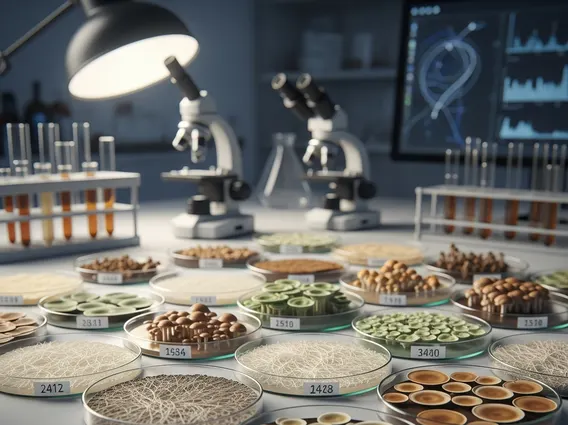
The kingdom of Fungus encompasses an extraordinary variety of forms, each exhibiting specific fungus characteristics that enable them to thrive in diverse environments. These organisms are broadly categorized based on their morphology and growth patterns.
Common types of fungus include:
- Yeasts: Single-celled fungi that typically reproduce by budding. They are often found on skin and mucous membranes and are used in baking and brewing.
- Molds: Multicellular fungi that grow as filamentous structures called hyphae. Molds are ubiquitous in the environment and can be found on decaying matter, in soil, and indoors.
- Mushrooms: The macroscopic fruiting bodies of certain fungi, often recognized for their cap and stem structures. Many are edible, while others are highly toxic.
Beyond their structural diversity, all fungi share fundamental characteristics. They are non-motile, relying on environmental factors for dispersal. Their heterotrophic nature means they secrete enzymes externally to digest complex organic matter before absorbing the simpler molecules. This absorptive nutrition is a defining feature. Furthermore, the presence of ergosterol in their cell membranes, rather than cholesterol (found in animals), makes them distinct and provides targets for antifungal medications. According to the Centers for Disease Control and Prevention (CDC), fungal infections affect millions globally each year, highlighting the medical significance of understanding these diverse organisms.
Fungus Growth and Reproduction
Fungus Growth and Reproduction are complex processes that allow these organisms to colonize various habitats effectively. Fungi grow by extending their hyphae (in the case of molds) or by increasing cell numbers through budding (in yeasts). This growth is primarily dependent on the availability of nutrients, moisture, and suitable temperatures. Fungi thrive in environments that are typically warm, damp, and rich in organic material, as these conditions facilitate the enzymatic breakdown and absorption of nutrients necessary for their metabolism.
Reproduction in fungus can occur through both asexual and sexual mechanisms, often involving the production of spores.
- Asexual Reproduction: This typically involves the formation of spores (conidia, sporangiospores) that are genetically identical to the parent. Yeasts also reproduce asexually through budding, where a new cell grows out from the parent cell. Fragmentation of hyphae can also lead to new fungal colonies.
- Sexual Reproduction: This process involves the fusion of two compatible nuclei, leading to genetic recombination and the formation of sexually derived spores (ascospores, basidiospores, zygospores). Sexual reproduction enhances genetic diversity, allowing fungi to adapt to changing environmental conditions.
The widespread dispersal of these spores, often carried by wind, water, or animals, is a key factor in how fungus grows and spreads, enabling them to colonize new substrates and perpetuate their species across vast geographical areas. Understanding these mechanisms is vital for controlling fungal growth in agricultural settings, preventing spoilage, and developing effective antifungal treatments in medicine.