Fatty Breast Tissue
Fatty breast tissue is a normal and common component of breast anatomy, primarily composed of adipose cells. Its presence and distribution can vary significantly among individuals, influenced by various factors such as age and hormonal status.

Key Takeaways
- Fatty Breast Tissue is a normal part of breast composition, consisting mainly of fat cells.
- Breast composition changes over a woman’s lifetime, typically becoming more fatty after menopause.
- The amount of fatty tissue is influenced by age, body mass index (BMI), and hormonal shifts.
- Fatty breast tissue generally does not present specific symptoms but can make mammogram interpretation clearer.
- It is distinct from dense breast tissue, which has more glandular and fibrous tissue and can obscure mammographic findings.
What is Fatty Breast Tissue?
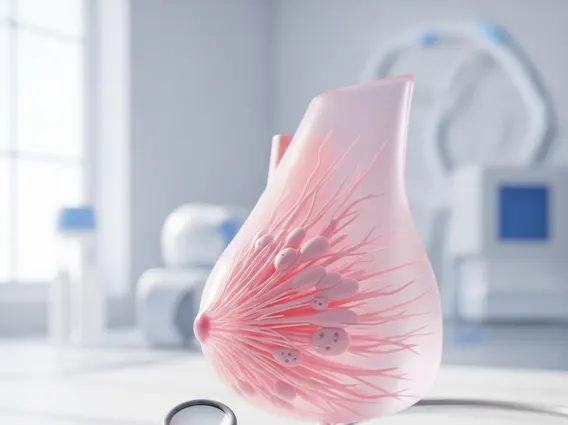
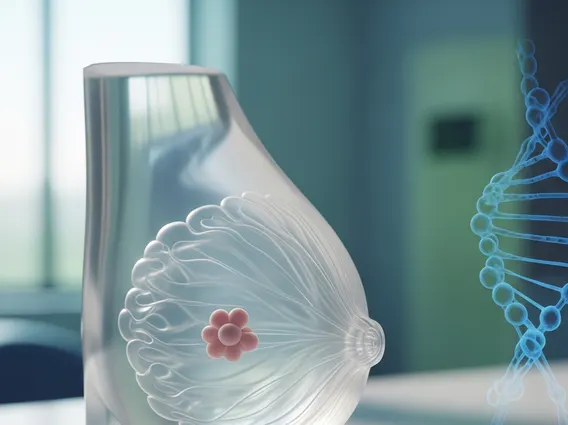
Fatty Breast Tissue refers to breast tissue predominantly made up of adipose (fat) cells, alongside glandular and fibrous connective tissues. The proportion of these components determines a person’s overall breast density. Breasts are dynamic organs, and their composition can change throughout a person’s life, particularly in response to hormonal fluctuations. For instance, breasts tend to become more fatty with age, especially after menopause, as glandular tissue naturally involutes and is replaced by fat.
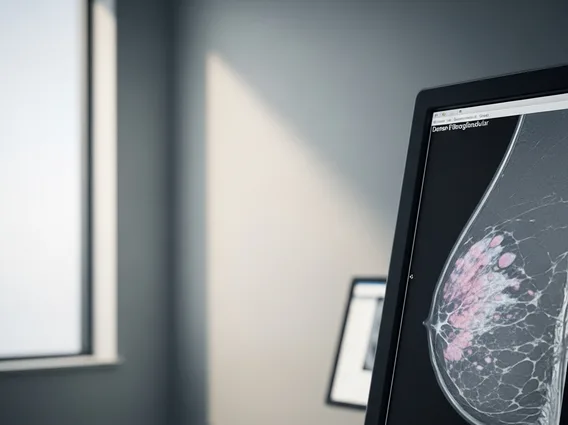
Understanding the composition of breast tissue is crucial for medical imaging, particularly mammography. Fatty tissue appears dark or transparent on a mammogram, making it easier to identify potential abnormalities, which appear as white areas. This contrasts with dense breast tissue, which can appear white on a mammogram, potentially masking tumors.
Causes and Associated Symptoms
The amount of fatty breast tissue an individual has is influenced by several factors, reflecting a normal physiological variation rather than a medical condition. Therefore, fatty breast tissue itself does not typically cause specific symptoms. Instead, its presence is a characteristic of breast anatomy.
Factors that contribute to an increase in fatty breast tissue include:
- Age: As women age, especially after menopause, glandular tissue often decreases and is replaced by fat.
- Body Mass Index (BMI): Individuals with a higher BMI generally have a greater proportion of fatty tissue in their breasts.
- Hormonal Changes: Fluctuations in hormone levels, such as those occurring during pregnancy or hormone replacement therapy, can influence breast composition.
- Genetics: Genetic predispositions can play a role in determining an individual’s breast tissue composition.
Since fatty breast tissue is a normal component, there are no specific “fatty breast tissue symptoms” to report. Any symptoms experienced, such as lumps, pain, or nipple discharge, should be evaluated by a healthcare professional, as they are not typically related to the presence of fatty tissue but could indicate other breast conditions.
Distinguishing Dense from Fatty Breast Tissue
The distinction between fatty and dense breast tissue is significant, particularly for breast cancer screening and risk assessment. Breast density is categorized based on the proportion of glandular and fibrous tissue compared to fatty tissue. While fatty breasts are predominantly composed of fat, dense breast tissue contains a higher percentage of glandular and fibrous connective tissue with less fat.
This difference is critical because dense breast tissue can make mammograms harder to interpret. Both dense tissue and cancerous tumors appear white on a mammogram, potentially obscuring abnormalities and making early detection more challenging. Conversely, fatty breast tissue appears dark, allowing tumors (which appear white) to stand out more clearly, thus improving the sensitivity of mammography.
Approximately 40-50% of women aged 40 and older in the United States have dense breasts, according to the American Cancer Society. Women with dense breasts may have a slightly higher risk of breast cancer and may benefit from supplemental screening methods beyond mammography, such as ultrasound or MRI, as recommended by their healthcare provider.
| Feature | Fatty Breast Tissue | Dense Breast Tissue |
|---|---|---|
| Primary Composition | Mostly adipose (fat) cells | More glandular and fibrous tissue, less fat |
| Mammogram Appearance | Appears dark/transparent (radioluscent) | Appears white (radiopaque) |
| Mammogram Interpretation | Easier to detect abnormalities (tumors appear white) | More challenging; tumors can be masked by dense tissue |
| Associated Risk | Normal breast composition, no increased risk from fat alone | Slightly increased risk of breast cancer; may require supplemental screening |
| Prevalence | Common, especially with age and higher BMI | Common, affecting a significant portion of women |