Fallopian Tube
The Fallopian Tube is a vital component of the female reproductive system. These delicate structures play a crucial role in fertility, facilitating the journey of the egg and providing the primary site for fertilization.
Key Takeaways
- Fallopian Tubes are essential female reproductive organs connecting the ovaries to the uterus.
- Their primary function is to transport eggs from the ovary to the uterus and serve as the typical site for fertilization.
- Each tube consists of distinct anatomical sections: the infundibulum, fimbriae, ampulla, isthmus, and interstitial segment.
- Common conditions affecting Fallopian Tubes include blockages, ectopic pregnancies, and infections, which can significantly impact fertility.
- Symptoms of Fallopian Tube problems can range from pelvic pain and abnormal bleeding to infertility.
What is the Fallopian Tube: Anatomy and Structure
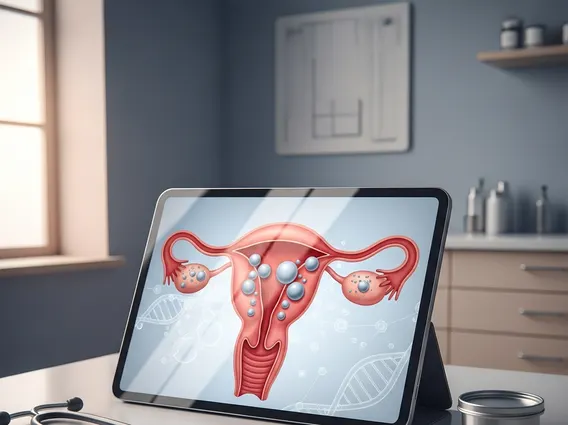
The Fallopian Tube, also known as the oviduct or uterine tube, refers to a pair of muscular tubes that extend from the uterus to the ovaries in the female pelvis. These tubes are approximately 10 to 13 centimeters long and about 1 centimeter in diameter, acting as a critical pathway for reproductive processes. Understanding fallopian tubes anatomy reveals their intricate design, essential for their function.
Each Fallopian Tube is divided into several distinct sections:
- Infundibulum: This is the funnel-shaped distal end closest to the ovary. It features finger-like projections called fimbriae.
- Fimbriae: These delicate, mobile projections sweep over the surface of the ovary to capture the ovulated egg.
- Ampulla: The widest and longest part of the tube, the ampulla is typically where fertilization occurs.
- Isthmus: A narrow, muscular section connecting the ampulla to the uterus.
- Interstitial (Intramural) Segment: The part of the tube that passes through the muscular wall of the uterus.
The inner lining of the Fallopian Tube is composed of ciliated epithelial cells, which, along with muscular contractions, help propel the egg towards the uterus.
Fallopian Tube Function
The primary fallopian tube function is indispensable for successful reproduction. These tubes serve as a conduit for the ovulated egg, guiding it from the ovary towards the uterus. Once an egg is released from the ovary during ovulation, the fimbriae at the end of the Fallopian Tube capture it. The cilia lining the tube, along with peristaltic contractions of the tube’s muscular walls, then gently move the egg along its path.
Beyond egg transport, the Fallopian Tube is also the typical site where fertilization takes place. Sperm travel from the vagina, through the cervix and uterus, and into the Fallopian Tubes to meet the egg. After fertilization, the newly formed embryo continues its journey through the tube, eventually reaching the uterus for implantation. This intricate process highlights the tubes’ vital role in initiating pregnancy.
Common Fallopian Tube Conditions and Symptoms
Various conditions can affect the Fallopian Tubes, often leading to significant health issues, particularly concerning fertility. Recognizing fallopian tube problems symptoms is crucial for timely diagnosis and treatment. One common problem is a blockage, which can prevent the egg from meeting sperm or the embryo from reaching the uterus, leading to infertility. Blockages can be caused by infections, scar tissue from surgery, or endometriosis.
Another serious condition is an ectopic pregnancy, where a fertilized egg implants outside the uterus, most commonly within the Fallopian Tube itself. This is a medical emergency that can cause severe internal bleeding if the tube ruptures. Pelvic inflammatory disease (PID), often caused by sexually transmitted infections, is a frequent cause of Fallopian Tube damage, leading to inflammation, scarring, and blockages.
Symptoms associated with Fallopian Tube problems can vary but often include:
- Chronic pelvic pain or discomfort
- Pain during intercourse (dyspareunia)
- Abnormal vaginal bleeding or discharge
- Pain during menstruation
- Fever (especially with infection)
- Nausea and vomiting
- Difficulty conceiving (infertility)
If you experience any of these symptoms, it is important to consult a healthcare professional for an accurate diagnosis and appropriate management. Early intervention can help prevent complications and preserve reproductive health.