Evista
Evista is a prescription medication primarily used in postmenopausal women. It belongs to a class of drugs known as selective estrogen receptor modulators (SERMs), which exert estrogen-like effects in some tissues while blocking estrogen’s actions in others.

Key Takeaways
- Evista (raloxifene) is a selective estrogen receptor modulator (SERM) prescribed for postmenopausal women.
- It is primarily used for the prevention and treatment of osteoporosis, helping to strengthen bones.
- Evista also reduces the risk of invasive breast cancer in certain postmenopausal women at high risk.
- The medication works by mimicking estrogen’s beneficial effects on bone while blocking its effects in breast and uterine tissues.
- Common side effects include hot flashes and leg cramps, with a rare but serious risk of blood clots.
What is Evista and How Does It Work?
Evista is the brand name for raloxifene, a medication classified as a selective estrogen receptor modulator (SERM). This type of drug is designed to act selectively on estrogen receptors throughout the body, meaning it can have different effects in different tissues. It is specifically approved for use in postmenopausal women.
How does Evista work? It functions by binding to estrogen receptors. In bone tissue, Evista acts like estrogen, helping to slow down bone loss and increase bone mineral density. This action is crucial for preventing and treating osteoporosis. Conversely, in breast and uterine tissues, Evista blocks the effects of estrogen, which can be beneficial in reducing the risk of certain cancers. This selective action allows it to provide benefits in some areas while minimizing potential risks in others, distinguishing it from traditional estrogen replacement therapies. Understanding this mechanism is key to comprehending Evista medication information.
What is Evista Used For?
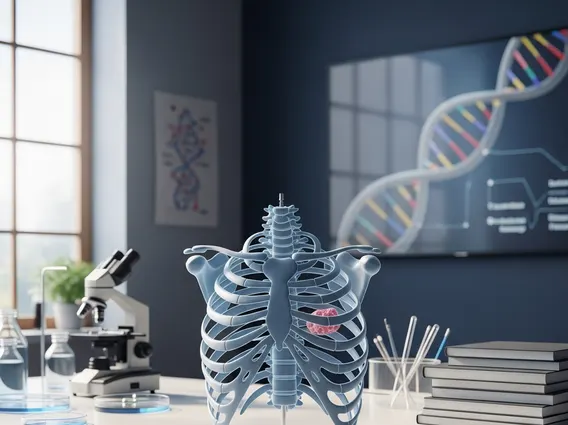
What is Evista used for? This medication has two primary indications, both focused on postmenopausal women. Its main use is in the prevention and treatment of osteoporosis, a condition characterized by weakened bones that are prone to fractures. By acting on bone tissue, Evista helps to maintain bone density and reduce the risk of vertebral fractures.
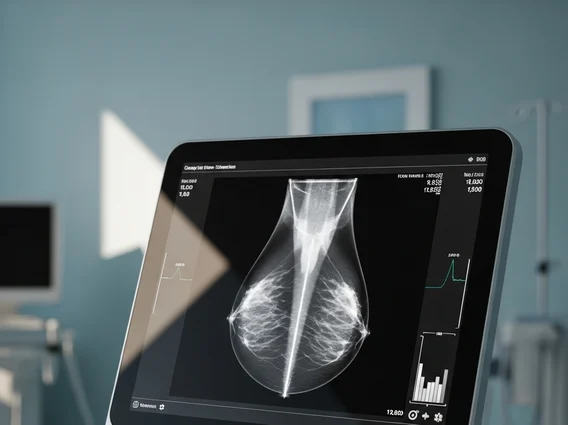
In addition to its role in bone health, Evista is also prescribed to reduce the risk of invasive breast cancer in postmenopausal women who are at high risk for the disease or who already have osteoporosis. This benefit stems from its anti-estrogen effects in breast tissue, which can inhibit the growth of estrogen-sensitive cancer cells.
Evista Side Effects and Benefits
Considering Evista side effects and benefits is essential for anyone considering this treatment. Like all medications, Evista carries potential risks and advantages that should be discussed with a healthcare provider.
The primary benefits of Evista include:
- Osteoporosis Prevention and Treatment: It significantly reduces the risk of vertebral (spine) fractures in postmenopausal women with osteoporosis.
- Invasive Breast Cancer Risk Reduction: It lowers the risk of developing invasive breast cancer in postmenopausal women who are at an increased risk or have osteoporosis.
- Uterine Safety: Unlike some estrogen therapies, Evista does not stimulate the uterine lining, thus avoiding an increased risk of uterine cancer.
However, Evista can also cause side effects. Common side effects often include:
- Hot flashes
- Leg cramps
- Flu-like symptoms
- Peripheral edema (swelling in the hands, feet, or ankles)
More serious, though less common, side effects include an increased risk of venous thromboembolism (blood clots in the legs or lungs) and stroke. Due to these potential risks, the decision to use Evista should always be made in consultation with a healthcare professional, who can weigh the individual benefits against the risks based on a patient’s complete medical history.