
Crohn Disease
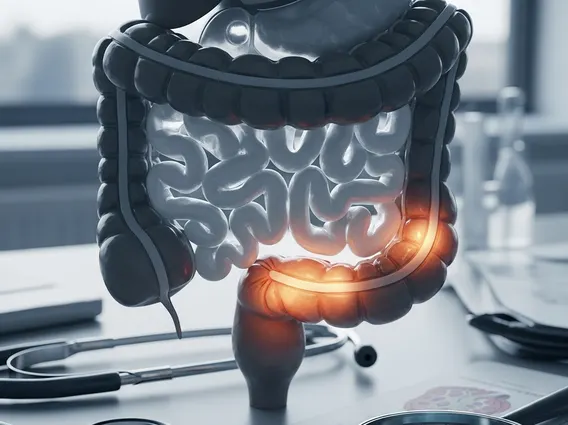
Crohn Disease is a chronic inflammatory bowel disease (IBD) that can affect any part of the gastrointestinal tract from the mouth to the anus. It is characterized by inflammation of the digestive tract lining, which can lead to abdominal pain, severe diarrhea, fatigue, weight loss, and malnutrition.
Key Takeaways
- Crohn Disease is a chronic inflammatory bowel disease affecting the digestive tract.
- Symptoms often include abdominal pain, diarrhea, fatigue, and unintended weight loss.
- Its exact cause is unknown, but genetics, immune system dysfunction, and environmental factors are believed to play roles.
- Treatment focuses on reducing inflammation, relieving symptoms, and preventing complications.
- Lifestyle adjustments, including dietary considerations, are crucial for managing the condition effectively.
What is Crohn Disease?
Crohn Disease is a type of inflammatory bowel disease (IBD) characterized by chronic inflammation of the digestive tract. Unlike ulcerative colitis, another common IBD, Crohn Disease can affect any part of the gastrointestinal tract, though it most commonly impacts the small intestine and the beginning of the large intestine. The inflammation often extends deep into the layers of the bowel wall, leading to a range of debilitating symptoms. It is a chronic condition, meaning it is long-lasting and can recur throughout a person’s life, often involving periods of remission and flare-ups. According to the Crohn’s & Colitis Foundation, an estimated 3 million Americans have IBD, with Crohn Disease accounting for a significant portion of these cases.
Crohn Disease: Symptoms, Causes, and Diagnosis
Understanding Crohn Disease symptoms and causes is crucial for early detection and effective management. The symptoms of Crohn Disease can vary widely depending on the affected part of the digestive tract and the severity of the inflammation. Common symptoms include:
- Persistent diarrhea
- Abdominal pain and cramping
- Rectal bleeding
- Weight loss
- Fatigue
- Fever
- Reduced appetite
Less common symptoms can include mouth sores, skin disorders, inflammation of the eyes or joints, and perianal disease. The exact causes of Crohn Disease are not fully understood, but it is believed to result from a combination of genetic predisposition, an overactive immune system, and environmental factors. It is not caused by diet or stress, though these factors can exacerbate symptoms. Diagnosis typically involves a combination of physical examination, blood tests, stool tests, endoscopy (colonoscopy or upper endoscopy), imaging tests (CT scan, MRI), and sometimes capsule endoscopy. Biopsies taken during endoscopy are often essential for confirming the diagnosis.
Managing Crohn Disease: Treatment and Lifestyle
Effective management of Crohn Disease involves a multi-faceted approach, focusing on reducing inflammation, alleviating symptoms, preventing complications, and improving quality of life. Crohn Disease treatment options typically include medications, and in some cases, surgery. Medications commonly used to treat Crohn Disease include:
- Anti-inflammatory drugs (e.g., aminosalicylates, corticosteroids)
- Immunosuppressants (e.g., azathioprine, methotrexate)
- Biologics (e.g., infliximab, adalimumab)
Surgery may be necessary to remove damaged portions of the digestive tract, close fistulas, or drain abscesses, but it is not a cure, and the disease can recur in other areas. Beyond medical interventions, lifestyle adjustments play a significant role in managing the condition. This includes focusing on a healthy diet. While there is no universal “Crohn Disease diet” that works for everyone, understanding living with Crohn Disease diet principles can help manage symptoms and ensure adequate nutrition. Many individuals find it helpful to:
- Limit high-fiber foods during flare-ups
- Avoid foods that trigger symptoms (e.g., spicy foods, fatty foods, dairy for lactose intolerant individuals)
- Eat smaller, more frequent meals
- Ensure adequate hydration
- Consider nutritional supplements under medical guidance to address deficiencies
Stress management techniques, regular exercise, and avoiding smoking are also important components of living well with Crohn Disease. It is crucial for individuals with Crohn Disease to work closely with their healthcare team, including a gastroenterologist and a registered dietitian, to develop a personalized management plan.
Note: Information on diet and lifestyle changes is supportive and does not replace professional medical treatment. Always consult with a healthcare provider for diagnosis and treatment of Crohn Disease.



















