
Comparing Mediterranean Diet with Other Cancer-Friendly Diets
Diet plays a pivotal role in both cancer prevention and supporting patients through treatment. This article explores the nuances of the Mediterranean diet vs cancer diets, examining its components, scientific backing, and how it measures up against other dietary approaches aimed at combating cancer.
Key Takeaways
- The Mediterranean diet, rich in plants, healthy fats, and lean protein, is a well-researched dietary pattern linked to reduced cancer risk.
- It emphasizes anti-inflammatory and antioxidant-rich foods, which are crucial for cancer prevention and management.
- Compared to stricter plant-based or ketogenic diets, the Mediterranean diet offers a balanced, sustainable approach, often easier for long-term adherence.
- For cancer patients, the Mediterranean diet can help mitigate treatment side effects and support overall well-being by promoting gut health and immunity.
- Personalization and professional guidance are essential when adopting any diet for cancer prevention or support.
Understanding the Mediterranean Diet’s Cancer Link
The Mediterranean diet is more than just a meal plan; it’s a lifestyle rooted in the traditional eating patterns of countries bordering the Mediterranean Sea. Its widespread recognition stems from numerous studies highlighting its benefits for heart health, longevity, and increasingly, its role in cancer prevention.
Key Components of the Mediterranean Diet
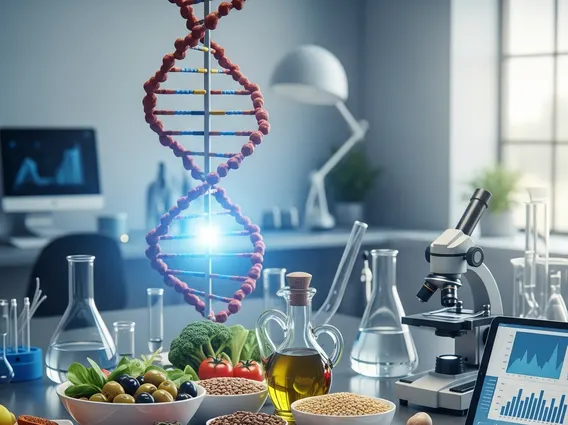
This dietary pattern is characterized by a high intake of plant-based foods, including fruits, vegetables, whole grains, legumes, and nuts. Olive oil serves as the primary source of fat, providing beneficial monounsaturated fatty acids. Fish and seafood are consumed regularly, while poultry, dairy products, and eggs are eaten in moderation. Red meat and processed foods are limited. This emphasis on whole, unprocessed foods naturally provides a wealth of vitamins, minerals, fiber, and beneficial phytochemicals.
Scientific Basis for Cancer Prevention
The protective effects of the Mediterranean diet against cancer are largely attributed to its potent anti-inflammatory and antioxidant properties. Chronic inflammation and oxidative stress are known contributors to cancer development. The diet’s abundance of antioxidants, such as polyphenols from olive oil and colorful fruits and vegetables, helps neutralize free radicals that can damage cells and DNA. Furthermore, the high fiber content supports gut health and aids in the elimination of carcinogens. Research consistently shows that adherence to a Mediterranean dietary pattern is associated with a reduced risk of various cancers, including colorectal, breast, and prostate cancers. The World Health Organization (WHO) highlights that a significant proportion of cancers are preventable, with diet being a key modifiable factor.
Mediterranean Diet vs. Other Cancer Diets: Comparison
When considering cancer-fighting diets compared, the Mediterranean diet stands out for its balance and sustainability. However, other dietary approaches also offer unique benefits for cancer prevention and support, presenting a diverse landscape of options for individuals.
Plant-Based Diets and Cancer Prevention
Strict plant-based diets, such as vegan or vegetarian diets, share many commonalities with the Mediterranean diet, particularly their emphasis on fruits, vegetables, whole grains, and legumes. These diets are often lauded for their high fiber content, low saturated fat, and absence of red and processed meats, which are linked to increased cancer risk. The primary difference between Mediterranean and anti-cancer diets like strict veganism lies in the inclusion of fish, poultry, and moderate dairy in the Mediterranean approach. While both are considered among the best diets for cancer prevention comparison, the Mediterranean diet may offer more flexibility and a broader range of nutrients, particularly omega-3 fatty acids from fish, which have anti-inflammatory properties.
Ketogenic Diet for Cancer Support
The ketogenic diet, characterized by very low carbohydrate intake, moderate protein, and high fat, aims to shift the body’s metabolism into a state of ketosis. The theory behind its application in cancer support is that many cancer cells rely heavily on glucose for energy, and by severely restricting carbohydrates, the diet might “starve” these cells. While preliminary research shows promise, especially in conjunction with conventional therapies for certain cancers, the ketogenic diet is highly restrictive and can be challenging to maintain long-term. It differs significantly from the Mediterranean diet, which includes a moderate amount of carbohydrates from whole grains and fruits. The Mediterranean diet focuses on broad nutritional benefits and inflammation reduction, whereas the ketogenic diet targets specific metabolic pathways, making the difference between Mediterranean and anti-cancer diets quite pronounced in their mechanisms and practical application.
Core Principles of Cancer-Fighting Diets
Despite their variations, most effective dietary strategies for cancer prevention and support share fundamental principles. These core tenets focus on creating an internal environment that is less conducive to cancer growth and progression.
Reducing Inflammation and Oxidative Stress
Chronic inflammation and oxidative stress are key drivers in the initiation and progression of cancer. Diets rich in antioxidants and anti-inflammatory compounds, such as those found in colorful fruits, vegetables, spices (like turmeric), and healthy fats (like olive oil and omega-3s), help combat these harmful processes. By reducing systemic inflammation and neutralizing free radicals, these diets protect cellular integrity and support healthy cell function, thereby lowering cancer risk.
Emphasizing Whole, Unprocessed Foods
A cornerstone of any healthy diet, particularly for cancer prevention and support, is the prioritization of whole, unprocessed foods. This means focusing on foods in their most natural state, such as fresh produce, whole grains, legumes, nuts, seeds, and lean proteins. Conversely, minimizing or eliminating highly processed foods, sugary drinks, refined carbohydrates, and unhealthy fats is crucial. These processed items often contain additives, preservatives, and high levels of sugar and unhealthy fats that can promote inflammation, contribute to weight gain, and potentially fuel cancer growth. This emphasis is a common thread throughout any healthy diets for cancer patients review.
Mediterranean Diet Benefits for Cancer Patients
Beyond prevention, the Mediterranean diet offers significant advantages for individuals undergoing cancer treatment, addressing common challenges and supporting overall recovery. Many ask, is Mediterranean diet good for cancer patients? The answer is generally yes, due to its comprehensive nutritional profile and supportive properties.
Impact on Treatment Side Effects
Cancer treatments like chemotherapy and radiation can cause debilitating side effects such as fatigue, nausea, appetite loss, and digestive issues. The Mediterranean diet, with its emphasis on nutrient-dense, easily digestible whole foods, can help manage these symptoms. For instance, its anti-inflammatory properties may reduce treatment-related inflammation, while its rich fiber content can aid in maintaining regular bowel movements, counteracting constipation or diarrhea. The variety of flavors and textures can also help stimulate appetite, making it easier for patients to maintain adequate nutritional intake during a challenging time.
Supporting Gut Health and Immunity
A robust immune system and a healthy gut microbiome are vital for cancer patients, both during and after treatment. The Mediterranean diet is rich in prebiotics (fiber from plant foods) and probiotics (from fermented foods like yogurt, if consumed), which nourish beneficial gut bacteria. A balanced gut microbiome is linked to improved immune function, better nutrient absorption, and even enhanced response to certain cancer therapies. By fostering a healthy gut environment, the Mediterranean diet benefits for cancer patients extend to strengthening their natural defenses and supporting overall resilience against illness and infection.
Personalizing Your Diet for Cancer Prevention & Support
While general dietary guidelines are helpful, the most effective approach to diet for cancer prevention and support is highly individualized. What works for one person may not be suitable for another, emphasizing the need for tailored strategies.
Consulting Healthcare Professionals
Before making significant dietary changes, especially when dealing with a cancer diagnosis, it is crucial to consult with healthcare professionals. This includes oncologists, registered dietitians specializing in oncology, and other members of your care team. They can provide personalized advice based on your specific cancer type, treatment plan, medical history, and nutritional needs. A dietitian can help navigate potential food interactions with medications, manage treatment side effects, and ensure adequate nutrient intake to support recovery and well-being.
Adapting to Individual Needs and Preferences
Dietary recommendations should always consider individual needs, cultural background, allergies, intolerances, and personal preferences. For instance, some cancer treatments might necessitate temporary dietary modifications, such as a low-fiber diet or specific food restrictions. The Mediterranean diet, while a strong framework, can be adapted to suit these unique circumstances. It’s about finding a sustainable and enjoyable eating pattern that supports health goals without causing undue stress or deprivation. Flexibility and a focus on nutrient-dense, whole foods remain paramount, allowing for adjustments to ensure the diet is both effective and manageable for the individual.
Frequently Asked Questions
What is the primary advantage of the Mediterranean diet for cancer prevention?
The primary advantage of the Mediterranean diet for cancer prevention lies in its rich content of anti-inflammatory and antioxidant compounds. Abundant in fruits, vegetables, whole grains, and olive oil, it helps combat chronic inflammation and oxidative stress, both key drivers of cancer development. This dietary pattern supports cellular health and DNA integrity, reducing the risk of various cancers by creating an internal environment less conducive to disease progression.
How does the Mediterranean diet compare to a strict vegan diet for cancer support?
Both the Mediterranean and strict vegan diets emphasize plant-based foods, offering significant benefits for cancer support through fiber, vitamins, and phytochemicals. The Mediterranean diet, however, includes fish, poultry, and moderate dairy, providing omega-3 fatty acids and diverse protein sources. A vegan diet is stricter, excluding all animal products. While both are effective, the Mediterranean diet offers more dietary flexibility, which can be beneficial for long-term adherence and ensuring nutrient adequacy, especially during demanding cancer treatments.
Can the Mediterranean diet help manage cancer treatment side effects?
Yes, the Mediterranean diet can significantly help manage cancer treatment side effects. Its nutrient-dense, anti-inflammatory foods can alleviate symptoms like fatigue, nausea, and digestive issues. The diet’s emphasis on whole foods aids in maintaining energy levels and supports a healthy gut microbiome, which is crucial for immune function. By providing essential nutrients and reducing inflammation, it helps patients better tolerate treatments and supports their overall well-being and recovery process.
Disclaimer: The information provided in this article is for educational purposes only and is not intended as medical advice. Dietary changes, especially for cancer prevention or support, should always be discussed with a qualified healthcare professional or registered dietitian. This information does not replace professional medical treatment.



