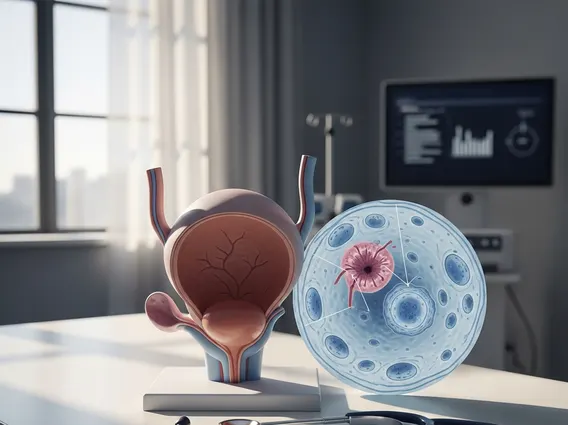
Causes and Risk Factors for Cholangiocarcinoma
Cholangiocarcinoma, also known as bile duct cancer, is a rare but aggressive cancer that begins in the cells lining the bile ducts. Doctors do not know the exact cause of most cases, but several health conditions and exposures, from chronic bile duct inflammation to certain parasitic infections, are linked to a higher chance of developing the disease.
Key Takeaways
- The exact cause of cholangiocarcinoma is not known; the disease begins when DNA changes cause cells lining the bile ducts to grow and divide abnormally.
- Chronic inflammation of the bile ducts, from conditions such as primary sclerosing cholangitis (PSC), chronic ulcerative colitis, or bile duct cysts, is one of the strongest known risk-factor patterns.
- According to a National Institutes of Health resource, roughly 1 in 10 to 1 in 5 people with PSC will develop bile duct cancer over their lifetime, so regular monitoring matters for this group.
- In parts of Asia, infection with the liver fluke Clonorchis sinensis is a recognized cause; in the United States, hepatitis B, hepatitis C, and alcohol-related liver disease are more commonly identified contributors.
- Most people diagnosed are between ages 50 and 75, and having a risk factor does not mean a person will develop cholangiocarcinoma.
Cholangiocarcinoma Causes Explained
The exact cause of cholangiocarcinoma is not known, according to MedlinePlus. What researchers do understand is that the disease begins when cells lining the bile ducts pick up genetic changes that let them grow and divide without the usual controls. Chronic inflammation appears to play a central role in setting off these changes.
Cellular Changes and DNA Mutations
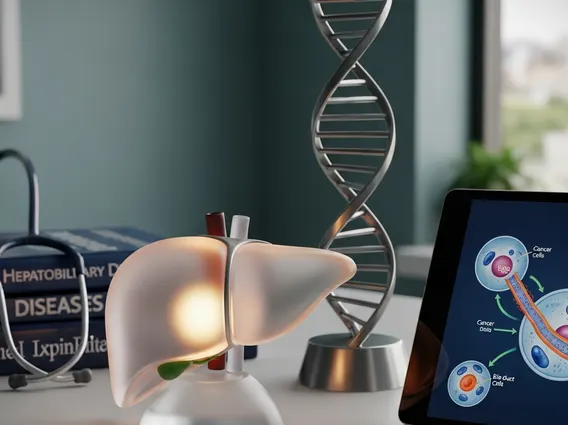
Cholangiocarcinoma starts when cells lining the bile ducts develop mutations, or changes, in their DNA. These changes disrupt the normal signals that control cell growth and division, allowing abnormal cells to multiply and eventually form a tumor. Some of these mutations are inherited, but most are acquired over a person’s lifetime, often linked to long-term exposure to inflammation or other irritants in the bile ducts.
Role of Chronic Irritation
Chronic irritation and inflammation of the bile ducts is a recurring theme in cholangiocarcinoma. Long-term inflammation forces cells to repeatedly repair themselves, and each repair cycle raises the chance that a DNA copying error will occur. Conditions that cause this kind of ongoing inflammation, including certain infections and autoimmune diseases, are discussed in more detail below.
Key Risk Factors for Bile Duct Cancer
Doctors use the term “risk factor” for anything that makes a disease more likely to occur. Having one or more risk factors for cholangiocarcinoma does not mean a person will develop it, and some people who are diagnosed have no known risk factors at all. The sections below cover the factors most consistently linked to bile duct cancer.
Age and Gender
Cholangiocarcinoma affects both men and women. Most people diagnosed are between the ages of 50 and 75, though there is a rising number of cases among younger adults, particularly women.
Geographic Prevalence
Which risk factors are most relevant for cholangiocarcinoma can differ by region, largely because of differences in local exposures. Infection with certain liver flukes, covered in more detail below, is a well-documented risk factor in parts of Asia, while chronic bile duct inflammation from conditions such as primary sclerosing cholangitis is a more commonly identified factor in the United States and other Western countries. This pattern reflects local environmental and infectious exposures rather than a single universal cause.
Chronic Inflammatory Conditions
Chronic inflammation within the bile ducts is one of the most consistent risk patterns seen in cholangiocarcinoma. The National Cancer Institute lists several specific conditions associated with a higher risk, including primary sclerosing cholangitis, chronic ulcerative colitis, and cysts that form within the bile ducts (choledochal cysts), all of which can cause long-term irritation of the duct lining.
Primary Sclerosing Cholangitis (PSC)
PSC is a long-term condition marked by progressive inflammation and scarring along the bile duct network, both inside and outside the liver, which gradually narrows the ducts and slows the flow of bile. It is generally considered an autoimmune process, in which the body’s own defenses mistakenly target healthy bile duct cells. Among the cancers linked to PSC, bile duct cancer occurs most often; a National Institutes of Health resource puts a person’s lifetime chance of developing it at roughly 10% to 20%, which is why doctors recommend ongoing monitoring for anyone with long-standing PSC.
Liver Fluke Infections
In parts of Asia, including Thailand, Vietnam, China, Korea, and Japan, infection with the liver fluke Clonorchis sinensis is a recognized cause of cholangiocarcinoma. Infection happens through eating raw or undercooked freshwater fish, and once established, the parasite can persist in the bile ducts for years, driving the ongoing inflammation and irritation linked to a higher cancer risk. The CDC points out that a liver fluke infection is rarely found in Western patients who are diagnosed with cholangiocarcinoma.
Other Contributing Factors
A few additional factors are also associated with cholangiocarcinoma risk, ranging from inherited conditions to certain lifestyle-related liver diseases.
Genetic Predispositions
Most cases of cholangiocarcinoma occur without any family history of the disease. A small number of cases happen in people with inherited conditions that raise cancer risk more broadly, so anyone with a strong family history of bile duct or related cancers may want to talk with their doctor about whether genetic counseling is appropriate. Having an inherited risk factor does not mean a person will develop cholangiocarcinoma.
Lifestyle Influences
In the United States, hepatitis B, hepatitis C, and alcohol-related liver disease are among the more commonly identified risk factors for cholangiocarcinoma. Long-term heavy alcohol use can lead to cirrhosis, a form of liver scarring linked to a higher risk of bile duct cancer, while chronic hepatitis B or C infection can cause the kind of long-term liver and bile duct inflammation associated with the disease.
Frequently Asked Questions
Can cholangiocarcinoma be prevented?
There is no guaranteed way to prevent cholangiocarcinoma. Reducing exposure to known risk factors, such as avoiding raw or undercooked freshwater fish in regions where liver flukes are common and limiting alcohol use, may help lower risk. People with primary sclerosing cholangitis should follow their doctor’s monitoring recommendations, since catching changes early can make a difference.
Is cholangiocarcinoma hereditary?
Most cases of cholangiocarcinoma are not hereditary and do not run in families. A small share of cases occur in people with inherited conditions that raise overall cancer risk, so a strong family history of bile duct or related cancers is worth discussing with a doctor. For most people, the disease develops from a combination of acquired DNA changes and other risk factors rather than an inherited gene.
What is the most significant risk factor for cholangiocarcinoma?
There is no single most significant risk factor; it depends largely on where a person lives. In the United States and other Western countries, primary sclerosing cholangitis is one of the strongest known risk factors, while chronic infection with the liver fluke Clonorchis sinensis is a leading cause in parts of Asia. Other recognized contributors include chronic ulcerative colitis, bile duct cysts, viral hepatitis, and alcohol-related liver disease.
Sources