
Key Takeaways
- Probiotic-rich foods are fermented items containing live beneficial bacteria.
- They are crucial for maintaining a balanced gut microbiome, which supports digestion and nutrient absorption.
- Regular consumption can significantly enhance immune system function and overall health.
- A diverse range of natural sources of probiotics includes dairy, non-dairy, and vegetable-based options.
- Integrating these foods into daily meals is simple and can be achieved through various culinary applications.
Understanding Probiotic-Rich Foods
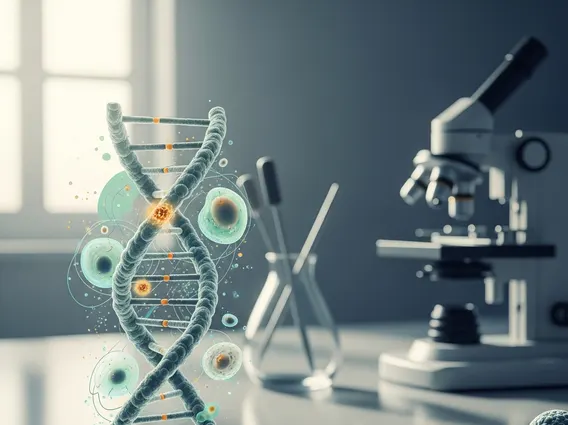
Understanding what are probiotic-rich foods begins with recognizing their fundamental role in human health. These foods are distinguished by their content of live microorganisms, often bacteria or yeasts, which are beneficial to the host. When consumed, these probiotics colonize the gut, contributing to a diverse and balanced microbiome—the community of microorganisms residing in the digestive tract. A healthy microbiome is increasingly recognized as vital for numerous bodily functions, extending beyond digestion to influence immunity, mood, and even metabolism.
The term “probiotic” itself is derived from Greek, meaning “for life,” underscoring their life-supporting properties. Unlike antibiotics, which destroy bacteria, probiotics introduce or replenish beneficial strains, helping to maintain equilibrium within the gut environment. This balance is crucial for preventing the overgrowth of harmful bacteria and ensuring optimal digestive function.
The Science Behind Probiotics
The scientific understanding of probiotics has evolved significantly, revealing their complex mechanisms of action. Probiotics work by various means, including competing with pathogens for nutrients and adhesion sites in the gut, producing antimicrobial substances, and modulating the immune system. Different strains of probiotics offer distinct benefits; for instance, Lactobacillus and Bifidobacterium are among the most common genera found in probiotic-rich foods and supplements. Research continues to uncover how specific strains interact with the human body, influencing everything from nutrient absorption to the synthesis of certain vitamins and neurotransmitters. The efficacy of probiotics is often strain-specific, meaning the benefits observed from one type of probiotic may not be replicated by another.
How Fermentation Creates Beneficial Cultures
Fermentation is an ancient process that not only preserves food but also enriches it with beneficial microorganisms, making it a primary method for producing probiotic-rich foods. During fermentation, bacteria, yeasts, or molds convert carbohydrates (sugars) into alcohol, gases, or organic acids. This process creates an environment where beneficial microbes thrive while inhibiting the growth of spoilage organisms. The live cultures produced during fermentation are the probiotics themselves. For example, in yogurt production, specific bacterial strains ferment the lactose in milk, transforming it into lactic acid, which gives yogurt its characteristic tang and texture, along with its probiotic content. This natural transformation is what makes many traditional foods excellent examples of fermented foods with probiotics.
Key Health Benefits of Probiotic Foods
The regular inclusion of probiotic-rich foods in one’s diet offers a wide array of health advantages. These benefits stem primarily from their ability to positively influence the gut microbiome, which in turn impacts various physiological systems. Understanding these advantages can motivate individuals to prioritize these nutritional powerhouses in their daily meals. The collective benefits of probiotic foods are extensive, contributing to both immediate digestive comfort and long-term systemic health.
Enhancing Gut Health and Digestion
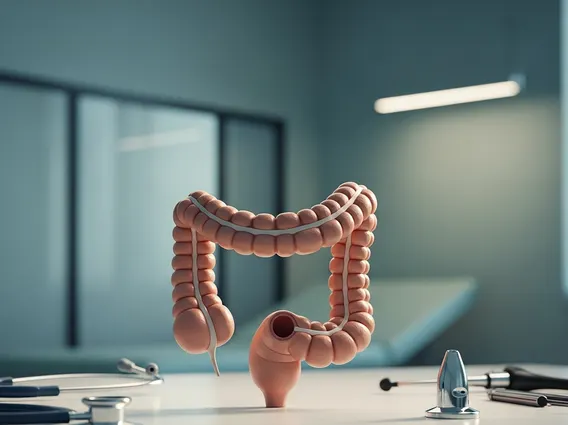
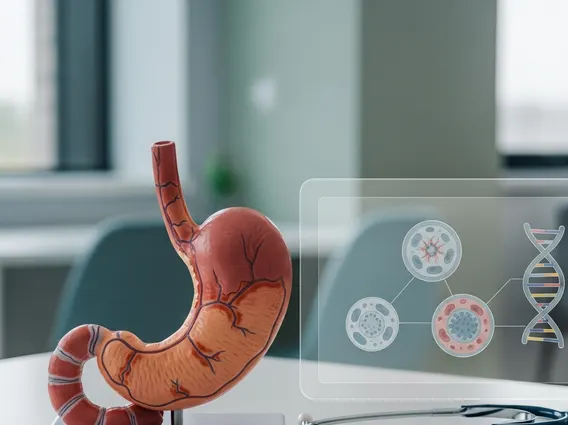
One of the most widely recognized advantages of consuming probiotic-rich foods is their profound impact on gut health and digestion. Probiotics help maintain a healthy balance of gut flora, which is essential for efficient digestion and nutrient absorption. They can alleviate common digestive issues such as bloating, gas, constipation, and diarrhea. For instance, a meta-analysis published in the journal Alimentary Pharmacology & Therapeutics found that probiotics can significantly reduce the duration of infectious diarrhea. A balanced gut microbiome, fostered by the consistent intake of best probiotic foods for gut health, also plays a role in maintaining the integrity of the gut lining, preventing “leaky gut” syndrome, and reducing inflammation throughout the digestive tract. This contributes to smoother digestive processes and overall gastrointestinal comfort.
Strengthening Your Immune System
Beyond digestion, probiotic-rich foods are instrumental in strengthening the immune system. A significant portion of the body’s immune cells resides in the gut, making the gut microbiome a critical regulator of immune responses. Probiotics communicate with these immune cells, helping to modulate and enhance the body’s defense mechanisms. They can stimulate the production of antibodies and improve the immune system’s ability to distinguish between harmful pathogens and beneficial substances. Regular consumption of probiotic foods has been linked to a reduced incidence and severity of respiratory infections and allergies. For example, studies have indicated that children consuming probiotic-fortified foods may experience fewer days of illness, underscoring the vital connection between gut health and a robust immune response. The World Health Organization (WHO) emphasizes the importance of a healthy diet, including fermented foods, for overall immune resilience.
Diverse Sources of Natural Probiotics
Incorporating probiotic-rich foods into your diet is easier than many realize, given the wide variety of natural sources of probiotics available. These foods come in many forms, offering diverse flavors and textures that can be enjoyed in countless ways. Exploring a comprehensive list of foods high in probiotics reveals options suitable for almost any dietary preference or restriction, making it simple to find delicious ways to support your gut health.
Dairy and Non-Dairy Ferments
Many traditional fermented dairy products are excellent sources of probiotics. Yogurt, especially those labeled with “live and active cultures,” is a popular choice. Kefir, a fermented milk drink, often contains an even wider array of bacterial strains and yeasts than yogurt. For those avoiding dairy, numerous non-dairy alternatives have emerged as fantastic probiotic sources. These include coconut milk kefir, almond milk yogurt, and various plant-based fermented drinks. The key is to look for products explicitly stating the presence of live cultures.
Here are some common dairy and non-dairy fermented foods:
| Category | Examples of Probiotic-Rich Foods | Key Probiotic Strains (Common) |
|---|---|---|
| Dairy Ferments | Yogurt (with live cultures), Kefir, Buttermilk, Aged Cheeses (e.g., Gouda, Cheddar) | Lactobacillus acidophilus, Bifidobacterium lactis |
| Non-Dairy Ferments | Coconut Kefir, Almond Yogurt, Tempeh, Miso | Lactobacillus plantarum, Bifidobacterium bifidum |
Vegetable-Based Probiotic Options
Fermented vegetables offer another rich category of probiotic-rich foods. Sauerkraut, made from fermented cabbage, and kimchi, a spicy Korean fermented vegetable dish, are prime examples. Pickles, specifically lacto-fermented pickles (not those made with vinegar), also contain beneficial bacteria. These foods not only provide probiotics but also offer fiber and vitamins, enhancing their nutritional value. The fermentation process can also increase the bioavailability of nutrients in these vegetables. Other notable vegetable-based options include natto (fermented soybeans) and certain fermented relishes. When selecting these products, ensure they are raw and unpasteurized, as pasteurization kills the beneficial live cultures.
Integrating Probiotic Foods into Meals
Successfully incorporating probiotic-rich foods into your daily diet doesn’t require drastic changes; rather, it’s about making mindful additions and substitutions. Learning how to get probiotics from food involves simple strategies that can easily become part of your routine. The goal is to consume a variety of these foods regularly to ensure a diverse intake of beneficial microbial strains, thereby maximizing their health benefits.
Simple Daily Serving Suggestions
Integrating probiotic-rich foods can be as simple as adding a dollop of yogurt to your breakfast or a side of sauerkraut to your lunch. For breakfast, consider plain yogurt or kefir with fruit and granola. At lunch, a sandwich or salad can be enhanced with a serving of kimchi or fermented pickles. Dinner offers opportunities to include tempeh in stir-fries or miso paste in soups and dressings. Even snacks can be probiotic-friendly; a small bowl of cottage cheese (if aged and fermented) or a glass of kombucha can serve as an excellent option. The key is consistency and variety, ensuring you’re exposing your gut to different types of beneficial bacteria throughout the week.
- Start your day with a serving of plain yogurt or kefir.
- Add fermented vegetables like sauerkraut or kimchi to salads, sandwiches, or as a side dish.
- Use miso paste to create flavorful soups, marinades, or salad dressings.
- Snack on kombucha or lacto-fermented pickles.
- Incorporate tempeh into stir-fries, curries, or as a meat substitute.
Maximizing Probiotic Intake
To truly maximize your probiotic intake, focus on diversity and quality. Don’t rely on just one type of probiotic-rich food; instead, aim to consume a range of different fermented products. This ensures you’re getting a broader spectrum of bacterial strains, each offering unique benefits. Always choose products that explicitly state “live and active cultures” and avoid those that have been pasteurized after fermentation, as heat treatment destroys the beneficial microbes. Storing these foods properly, usually in the refrigerator, is also crucial to maintain the viability of the live cultures. Pairing probiotic foods with prebiotic-rich foods (like garlic, onions, bananas, and oats) can further enhance their effectiveness, as prebiotics act as food for the beneficial bacteria, helping them to thrive in the gut.
Probiotic-Rich Foods FAQs
Probiotics are live beneficial microorganisms found in certain foods and supplements that contribute to a healthy gut microbiome. Prebiotics, on the other hand, are non-digestible fiber compounds that act as food for these beneficial bacteria, stimulating their growth and activity. Essentially, probiotics introduce good bacteria, while prebiotics nourish them. Both are crucial for optimal gut health, working synergistically to maintain a balanced digestive system and enhance overall well-being.
For most healthy individuals, it is entirely possible to obtain sufficient probiotics through a varied diet rich in fermented foods. Regularly consuming a diverse range of probiotic-rich foods like yogurt, kefir, sauerkraut, kimchi, and tempeh can provide a broad spectrum of beneficial bacteria. However, individuals with specific health conditions, digestive issues, or those recovering from antibiotic use might benefit from targeted probiotic supplements, always under the guidance of a healthcare professional, to ensure adequate intake.
For most people, consuming probiotic-rich foods is safe and well-tolerated. When first introducing these foods, some individuals might experience mild digestive symptoms such as gas, bloating, or temporary changes in bowel habits as their gut microbiome adjusts. These symptoms are usually temporary and subside as the body adapts. Individuals with compromised immune systems or serious underlying health conditions should consult a healthcare provider before significantly increasing their intake of fermented foods or starting probiotic supplements to ensure safety and appropriateness.