Key Takeaways
- Antioxidants and Anti-Inflammatory Compounds: Vegetables are rich in antioxidants that protect DNA from damage and compounds that reduce chronic inflammation, both crucial in cancer prevention.
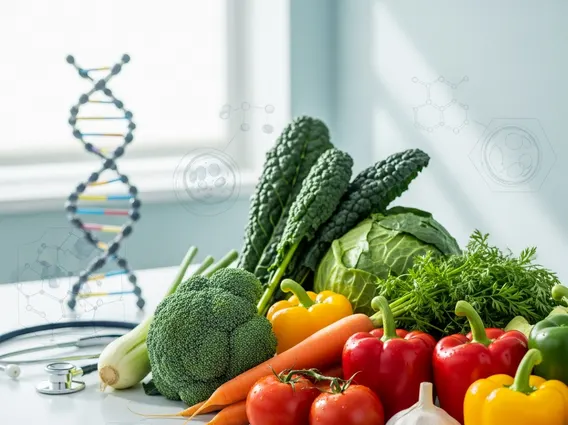
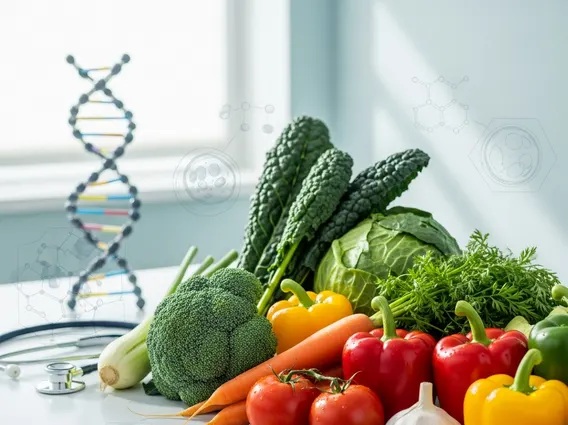
- Cruciferous and Colorful Choices: Prioritize cruciferous vegetables (broccoli, kale) and carotenoid-rich options (carrots, tomatoes) for their potent anti-cancer properties.
- Fiber’s Vital Role: Dietary fiber, abundant in vegetables, supports gut health, aids in detoxification, and helps regulate blood sugar, all contributing to a lower cancer risk.
- Diverse Nutrient Profile: Beyond specific compounds, vegetables provide a broad spectrum of vitamins, minerals, and phytochemicals essential for immune function and cellular health.
- Daily Integration: Simple strategies like filling half your plate with vegetables and creative cooking methods can make incorporating these foods easy and enjoyable.
Understanding How Vegetables Fight Cancer
The protective effects of vegetables against cancer stem from a complex interplay of various bioactive compounds. These compounds work synergistically to target multiple pathways involved in cancer development, offering a comprehensive defense mechanism. Understanding how vegetables help prevent cancer involves looking at their antioxidant, anti-inflammatory, and detoxification properties.
Antioxidants and DNA Protection
One of the primary ways vegetables combat cancer is through their rich supply of antioxidants. These molecules neutralize free radicals, which are unstable atoms that can damage cells and DNA, leading to oxidative stress. Chronic oxidative stress is a known contributor to cancer initiation and progression. Vegetables contain a wide array of antioxidants, including vitamins C and E, carotenoids (like beta-carotene and lycopene), and various flavonoids and polyphenols.
For instance, compounds found in cruciferous vegetables, such as sulforaphane and indoles, not only act as antioxidants but also enhance the body’s natural detoxification enzymes. These enzymes help to eliminate carcinogens before they can damage DNA. By safeguarding cellular integrity and preventing genetic mutations, these compounds play a critical role in reducing the risk of cancer development.
Anti-Inflammatory Compounds
Chronic inflammation is increasingly recognized as a significant risk factor for various cancers. Persistent low-grade inflammation can create an environment conducive to tumor growth, promoting cell proliferation and inhibiting programmed cell death. Many vegetables that fight cancer contain powerful anti-inflammatory compounds that can help mitigate this risk.
For example, leafy greens are rich in compounds like quercetin and kaempferol, which have demonstrated anti-inflammatory effects. Omega-3 fatty acids, found in some greens, also contribute to reducing inflammation. By calming inflammatory responses throughout the body, vegetables help to create an internal environment less hospitable to cancer cells. The World Health Organization (WHO) estimates that a significant portion of cancers, potentially 30-50%, are preventable through lifestyle changes, including a diet rich in anti-inflammatory foods like vegetables.
Top Cancer-Fighting Vegetables to Prioritize
While all vegetables offer health benefits, certain types stand out for their exceptional cancer-fighting properties. Prioritizing these best anti-cancer vegetables can significantly enhance your protective dietary strategy.
Cruciferous Powerhouses
Cruciferous vegetables are perhaps the most well-researched category for their anti-cancer effects. This family includes broccoli, cauliflower, cabbage, kale, Brussels sprouts, and bok choy. They are rich in glucosinolates, compounds that, when chewed or chopped, convert into biologically active isothiocyanates (like sulforaphane) and indoles.
These compounds are potent detoxifiers, helping the body eliminate carcinogens. They also influence cell signaling pathways, promoting healthy cell growth, inhibiting the proliferation of cancer cells, and inducing apoptosis (programmed cell death) in cancerous cells. Regular consumption of these vegetables is consistently linked to a reduced risk of various cancers, including those of the colon, lung, breast, and prostate.
| Cruciferous Vegetable | Key Anti-Cancer Compounds | Potential Benefits |
|---|---|---|
| Broccoli | Sulforaphane, Indole-3-carbinol | Detoxification, anti-inflammatory, inhibits cancer cell growth |
| Kale | Sulforaphane, Quercetin, Kaempferol | Antioxidant, anti-inflammatory, supports liver health |
| Cabbage | Indoles, Glucosinolates | Supports hormone balance, aids detoxification |
| Brussels Sprouts | Sulforaphane, Isothiocyanates | Enhances DNA repair, reduces oxidative stress |
Colorful Carotenoid-Rich Choices
The vibrant colors of many vegetables are indicative of their high carotenoid content, another group of powerful antioxidants. This category includes carrots, sweet potatoes, spinach, kale, tomatoes, bell peppers, and winter squash. Carotenoids like beta-carotene, lycopene, lutein, and zeaxanthin are not only potent antioxidants but also play roles in cell communication and immune function.
Lycopene, abundant in cooked tomatoes, has been particularly studied for its potential to reduce the risk of prostate cancer. Beta-carotene, found in orange and dark green vegetables, is converted to vitamin A in the body and supports immune health and cell differentiation. Consuming a rainbow of these foods to prevent cancer ensures a broad intake of protective phytochemicals, each offering unique benefits.
Essential Nutrients for Cancer Prevention
Beyond specific compounds, the overall nutritional profile of vegetables contributes significantly to cancer prevention. A diet rich in these essential nutrients creates an environment that discourages cancer development.
Fiber’s Role in Gut Health
Dietary fiber, found exclusively in plant foods, is a cornerstone of a cancer prevention diet vegetables provide. Both soluble and insoluble fibers contribute to gut health, which is intimately linked to immune function and cancer risk. Fiber adds bulk to stool, promoting regular bowel movements and reducing the transit time of waste products through the colon. This minimizes the exposure of the colon lining to potential carcinogens.
Furthermore, fiber acts as a prebiotic, feeding beneficial gut bacteria. These bacteria produce short-chain fatty acids, such as butyrate, which have anti-inflammatory and anti-cancer properties, particularly in the colon. The American Institute for Cancer Research (AICR) consistently highlights that a high-fiber diet can significantly lower the risk of colorectal cancer. Aiming for at least 25-30 grams of fiber daily, largely from vegetables, is a key preventative measure.
Vitamins and Minerals
Vegetables are veritable treasure troves of vitamins and minerals crucial for maintaining cellular health and preventing cancer. Key vitamins include Vitamin C, a powerful antioxidant that protects cells from damage and supports immune function; Vitamin E, another antioxidant that helps protect cell membranes; and Folate (Vitamin B9), which plays a vital role in DNA synthesis and repair, preventing mutations that can lead to cancer.
Essential minerals like selenium and zinc, also found in various vegetables, contribute to antioxidant defense systems and immune regulation. A diverse intake of a list of cancer-fighting greens and other vegetables ensures that the body receives a wide spectrum of these micronutrients, bolstering its natural defenses against disease.
Incorporating Cancer-Fighting Vegetables Daily
Making cancer-fighting vegetables a regular part of your diet doesn’t have to be complicated. With a few simple strategies and creative approaches, you can easily increase your intake and reap their protective benefits.
Simple Meal Planning Strategies
A straightforward approach is to aim for vegetables to fill half your plate at every meal. This visual cue helps ensure adequate intake. For breakfast, consider adding spinach to scrambled eggs, blending kale into a smoothie, or topping oatmeal with berries and a handful of greens. At lunch, make salads the main course or add extra vegetables to sandwiches and wraps. Dinner is an excellent opportunity to feature roasted vegetables as a side, incorporate them into stir-fries, or bulk up stews and casseroles.
Snacks can also be vegetable-focused. Think carrot sticks with hummus, bell pepper strips, or cherry tomatoes. Planning meals in advance can help ensure you always have vegetables on hand and reduce the likelihood of making less healthy choices.
Creative Cooking Ideas
Variety in cooking methods can make consuming vegetables more enjoyable. Roasting brings out natural sweetness in root vegetables like carrots, sweet potatoes, and Brussels sprouts. Steaming is a gentle method that preserves nutrients, ideal for broccoli and green beans. Stir-frying allows for quick cooking and combining multiple vegetables with lean protein.
Don’t be afraid to experiment. Blend spinach or zucchini into pasta sauces, soups, or even baked goods for a nutrient boost. Cauliflower can be riced or mashed as a lower-carb alternative. Grate carrots or zucchini into meatloaf or burgers. These creative approaches help integrate more vegetables seamlessly into your diet, making it easier to consistently consume cancer-fighting vegetables.
Cancer-Fighting Vegetables FAQs
Vegetables combat cancer primarily through their rich content of antioxidants, which neutralize cell-damaging free radicals and protect DNA. They also contain anti-inflammatory compounds that reduce chronic inflammation, a known cancer risk factor. Furthermore, the fiber in vegetables supports gut health and aids in the detoxification of carcinogens, while various phytochemicals modulate cell growth and promote healthy cell death, collectively offering robust protection.
The most effective vegetables for cancer prevention include cruciferous vegetables like broccoli, kale, and cabbage, known for their sulforaphane and indoles. Colorful, carotenoid-rich vegetables such as carrots, sweet potatoes, and tomatoes are also highly beneficial due to their antioxidant properties (e.g., beta-carotene, lycopene). Additionally, dark leafy greens like spinach and Swiss chard provide a wide array of vitamins, minerals, and anti-inflammatory compounds, making a diverse intake crucial.
For optimal cancer prevention, health organizations like the American Institute for Cancer Research (AICR) recommend consuming at least 2.5 cups (or 5 servings) of non-starchy vegetables and fruits daily. However, aiming for even more, particularly a wide variety of colorful and cruciferous vegetables, can further enhance protective benefits. Spreading your intake throughout the day and incorporating vegetables into every meal is an excellent strategy to meet and exceed these recommendations.