Key Takeaways
- Fruits contain powerful antioxidants and phytochemicals that combat oxidative stress and inflammation, key factors in cancer development.
- Berries and citrus fruits are particularly potent, offering high levels of vitamins, fiber, and diverse anti-cancer compounds.
- Regular consumption of a variety of fruits is a cornerstone of a diet aimed at cancer prevention and support for cancer patients.
- Incorporating daily servings through diverse methods like smoothies, salads, and snacks can enhance dietary intake.
- While beneficial, fruits should complement, not replace, conventional medical treatments for cancer.
Understanding Cancer-Fighting Fruits
How Fruits Combat Cancer
Fruits are packed with essential vitamins, minerals, fiber, and phytochemicals. These compounds work synergistically to protect cells from damage that can lead to cancer. For instance, fiber aids in digestive health, potentially reducing the risk of colorectal cancer by promoting regular bowel movements and removing carcinogens. Antioxidants neutralize free radicals, unstable molecules that cause cellular damage and contribute to cancer initiation and progression. Many studies highlight how a diet rich in fruits can lower the risk of various cancers, including those of the mouth, pharynx, larynx, esophagus, and stomach.
Key Anti-Cancer Compounds
The effectiveness of Cancer-Fighting Fruits stems from their diverse array of bioactive compounds. These include:
- Antioxidants: Such as Vitamin C, Vitamin E, and carotenoids (beta-carotene, lycopene). These protect cells from oxidative stress.
- Flavonoids: A large group of plant chemicals found in many fruits, known for their anti-inflammatory and anti-proliferative effects.
- Anthocyanins: Pigments giving berries their vibrant colors, recognized for their strong antioxidant properties.
- Ellagic Acid: Found in berries, it has shown potential to inhibit cancer cell growth in laboratory studies.
- Limonoids: Found in citrus fruits, these compounds have demonstrated anti-cancer activity in preclinical research.
These compounds contribute to the fruits with anti-cancer properties, making them valuable additions to a health-conscious diet.
Top Fruits for Cancer Prevention
Berries: Antioxidant Powerhouses
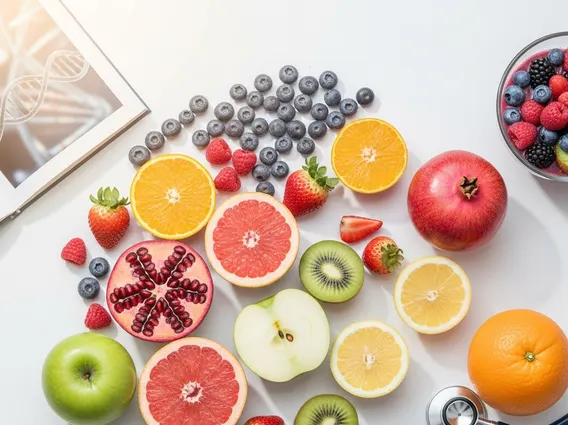
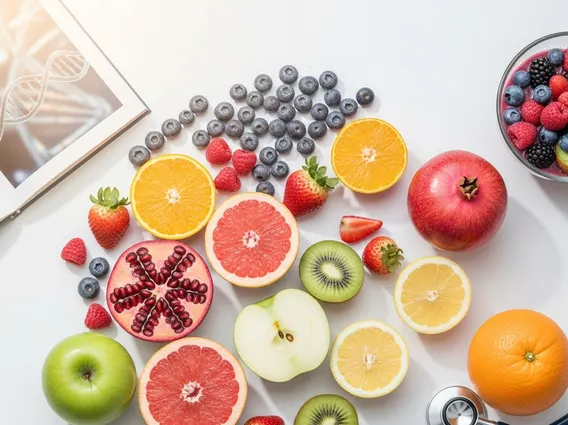
Berries, including strawberries, blueberries, raspberries, and blackberries, are consistently ranked among the best fruits for cancer prevention due to their exceptionally high antioxidant content. They are rich in anthocyanins, ellagic acid, and Vitamin C, which collectively help to inhibit tumor growth, reduce inflammation, and prevent DNA damage. For example, a meta-analysis published in the journal “Nutrients” (2019) highlighted the inverse association between berry consumption and the risk of various cancers, reinforcing their role as powerful protective agents.
Citrus Fruits: Vitamin C & Flavonoids
Oranges, grapefruits, lemons, and limes are excellent sources of Vitamin C, a potent antioxidant that can block the formation of cancer-causing compounds. Beyond Vitamin C, citrus fruits contain numerous flavonoids and limonoids, which have been studied for their ability to detoxify carcinogens, inhibit cancer cell proliferation, and induce apoptosis (programmed cell death) in cancer cells. Regular intake of citrus fruits is associated with a reduced risk of certain cancers, including those of the stomach and esophagus.
A comprehensive list of cancer-fighting fruits also includes:
| Fruit | Key Compounds | Potential Benefits |
|---|---|---|
| Apples | Quercetin, Fiber | Anti-inflammatory, antioxidant, supports digestive health. |
| Grapes (Red/Purple) | Resveratrol | Antioxidant, anti-inflammatory, may inhibit cancer cell growth. |
| Pomegranates | Polyphenols (Ellagitannins) | Strong antioxidant and anti-inflammatory properties. |
| Tomatoes | Lycopene | Powerful antioxidant, associated with reduced prostate cancer risk. |
| Avocados | Healthy Fats, Carotenoids | Supports nutrient absorption, provides antioxidants. |
Incorporating Anti-Cancer Fruits into Your Diet
Daily Serving Suggestions
To harness the benefits of Cancer-Fighting Fruits, aim for at least 2-3 servings of diverse fruits daily. A serving typically equates to one medium-sized fruit, a cup of berries, or half a cup of chopped fruit. The World Health Organization (WHO) recommends consuming at least five portions (400g) of fruit and vegetables per day to prevent chronic diseases, including cancer. Prioritizing a variety of colors ensures a broad spectrum of protective compounds.
Creative Ways to Enjoy Fruits
Integrating dietary fruits to prevent cancer into your daily routine can be both simple and delicious:
- Smoothies: Blend a mix of berries, spinach, and a banana for a nutrient-dense breakfast.
- Snacks: Keep apples, oranges, or a handful of grapes readily available for healthy snacking.
- Salads: Add sliced strawberries, blueberries, or mandarin segments to your green salads for a burst of flavor and nutrients.
- Desserts: Opt for fruit salads or baked apples instead of processed sweets.
- Oatmeal/Yogurt Toppings: Enhance your morning meal with fresh berries or sliced peaches.
These methods make it easier to ensure fruits good for cancer patients are regularly consumed, supporting their nutritional needs and overall well-being.
Important Considerations for Fruit Consumption
While fruits are incredibly beneficial, it’s important to consume them as part of a balanced diet.
- Sugar Content: Fruits contain natural sugars (fructose). While generally healthy, excessive intake, especially from fruit juices (which lack fiber), can contribute to higher sugar consumption. Whole fruits, with their fiber content, mitigate this effect by slowing sugar absorption.
- Organic vs. Conventional: Choosing organic fruits can reduce exposure to pesticide residues. However, the nutritional benefits of conventional fruits still outweigh the risks for most people. Washing all fruits thoroughly is always recommended.
- Variety is Key: No single fruit offers all the necessary compounds. A diverse intake ensures a wider range of protective phytochemicals.
- Not a Cure: While fruits play a vital role in prevention and supportive care, they are not a standalone cure for cancer. The concept of natural cancer remedies fruits should always be understood within the context of a comprehensive medical treatment plan. Fruits provide valuable support but do not replace conventional therapies like chemotherapy, radiation, or surgery.
Always consult with a healthcare professional or registered dietitian for personalized dietary advice, especially for individuals undergoing cancer treatment. This information is supportive only and does not replace medical treatment.
Cancer-Fighting Fruits FAQs
Many fruits possess cancer-fighting properties due to their rich content of antioxidants, vitamins, and phytochemicals. Berries (blueberries, raspberries, strawberries) are highly beneficial, packed with anthocyanins and ellagic acid. Citrus fruits (oranges, lemons, grapefruits) offer high levels of Vitamin C and limonoids. Other notable fruits include apples, grapes (especially red), pomegranates, and tomatoes, each contributing unique compounds like quercetin, resveratrol, and lycopene that support cellular health and may reduce cancer risk.
Fruits contribute to cancer prevention primarily through their antioxidant and anti-inflammatory compounds. Antioxidants neutralize free radicals, preventing DNA damage that can lead to cancer. Fiber in fruits promotes digestive health and helps eliminate carcinogens. Phytochemicals like flavonoids and carotenoids can inhibit cancer cell growth, induce apoptosis, and modulate enzyme activity involved in detoxification. Regular consumption of a variety of fruits helps create an environment less conducive to cancer development and progression.
No, fruits cannot replace conventional cancer treatments such as chemotherapy, radiation, or surgery. While Cancer-Fighting Fruits are an essential part of a healthy diet and can play a supportive role in cancer prevention and patient well-being, they are not a cure. They complement medical therapies by providing vital nutrients and compounds that support the body’s natural defenses. Always follow your doctor’s recommendations for cancer treatment and consult with a healthcare professional for dietary advice.