Key Takeaways
- Thyroid cancer originates in the thyroid gland and is often highly treatable, especially when detected early.
- There are several types of thyroid cancer, with papillary and follicular being the most prevalent forms.
- Common symptoms of thyroid cancer include a lump in the neck, changes in voice, and difficulty swallowing.
- Thyroid cancer diagnosis typically involves physical examination, imaging studies, and a definitive biopsy.
- Primary thyroid cancer treatment options include surgery, often supplemented by radioactive iodine therapy and lifelong hormone replacement.
What is Thyroid Cancer? Types Explained
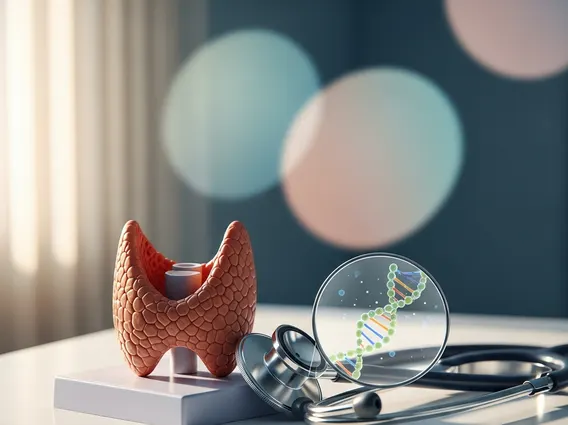
The thyroid gland plays a vital role in regulating metabolism, energy levels, and body temperature through the hormones it produces. What is thyroid cancer, then? It is a malignancy that develops when cells in this gland grow abnormally and uncontrollably. While the exact causes of thyroid cancer are not always clear, it is generally considered a highly treatable cancer, particularly in its early stages.
Understanding the different types of thyroid cancer is essential, as they vary in their aggressiveness, prognosis, and treatment approaches. According to the American Cancer Society, thyroid cancer is relatively common, with tens of thousands of new cases diagnosed annually in the United States. Despite rising incidence rates, mortality remains low for most types.
Common Types: Papillary and Follicular
These two types account for the vast majority of thyroid cancer cases and are generally categorized as differentiated thyroid cancers due to their resemblance to normal thyroid cells. Their excellent prognosis contributes significantly to the high overall survival rates for thyroid cancer.
- Papillary Thyroid Cancer: This is the most common form, making up about 80% of all thyroid cancers. It typically grows slowly and often spreads to lymph nodes in the neck, but rarely to distant sites. The 5-year survival rate for localized papillary thyroid cancer is over 99%, according to the National Cancer Institute’s SEER Program.
- Follicular Thyroid Cancer: Accounting for approximately 10-15% of cases, follicular thyroid cancer is the second most common type. It tends to be more common in countries with iodine deficiency. Unlike papillary cancer, it is more likely to spread through the bloodstream to distant organs like the lungs or bones, rather than primarily to lymph nodes.
Less Common Forms: Medullary and Anaplastic
While rarer, these types of thyroid cancer are distinct and often require different diagnostic and therapeutic strategies due to their unique cellular origins and behaviors.
- Medullary Thyroid Cancer (MTC): This type originates from the C cells of the thyroid, which produce the hormone calcitonin, rather than the follicular cells. MTC accounts for about 2-4% of thyroid cancers. It can be sporadic or hereditary, often associated with genetic mutations in the RET proto-oncogene. It frequently spreads to lymph nodes and can metastasize to distant organs.
- Anaplastic Thyroid Cancer: This is the rarest and most aggressive form of thyroid cancer, comprising less than 2% of cases. Anaplastic thyroid cancer grows very rapidly and is challenging to treat due to its aggressive nature and tendency to spread quickly. It typically affects older individuals and has a significantly poorer prognosis compared to other types.
Recognizing Symptoms & Risk Factors
Early recognition of potential indicators and understanding predisposing factors are crucial steps in managing Thyroid Cancer. While many symptoms can also be attributed to benign conditions, persistent or concerning signs warrant medical evaluation.
Key Symptoms to Watch For
The symptoms of thyroid cancer can often be subtle in its early stages, with many individuals experiencing no noticeable signs. As the tumor grows, however, certain indicators may become apparent. It is important to note that these symptoms can also be caused by non-cancerous thyroid conditions, such as goiter or thyroid nodules, making professional medical evaluation essential for accurate diagnosis.
Common symptoms include:
- A lump or nodule in the neck: This is the most common symptom, often felt as a painless mass in the front of the neck.
- Changes in voice: Hoarseness or other voice changes that persist and are not related to a cold or flu.
- Difficulty swallowing: A sensation of food getting stuck or discomfort when swallowing, caused by the tumor pressing on the esophagus.
- Difficulty breathing: In rare cases, a large tumor can press on the windpipe, leading to shortness of breath.
- Pain in the neck or throat: While often painless, some individuals may experience pain that can radiate up to the ears.
- Swollen lymph nodes: Enlarged lymph nodes in the neck, particularly on the side of the tumor, can indicate spread.
Understanding Potential Risk Factors
While the precise causes of thyroid cancer are not fully understood, several risk factors have been identified that can increase an individual’s likelihood of developing the disease. It is important to remember that having one or more risk factors does not guarantee that someone will get cancer, and many people with thyroid cancer have no known risk factors.
Key risk factors include:
- Radiation Exposure: Exposure to high levels of radiation, especially to the head and neck, particularly during childhood, is a significant risk factor. This can include radiation therapy for other cancers or exposure from nuclear accidents.
- Family History: A family history of thyroid cancer or certain genetic syndromes (like Familial Adenomatous Polyposis, Cowden syndrome, or Multiple Endocrine Neoplasia type 2 for medullary thyroid cancer) can increase risk.
- Gender and Age: Women are three times more likely than men to develop thyroid cancer. Most cases occur between the ages of 20 and 55, though anaplastic thyroid cancer is more common in older individuals.
- Iodine Intake: Both iodine deficiency and, less commonly, excessive iodine intake have been linked to an increased risk of certain types of thyroid cancer, particularly follicular thyroid cancer in iodine-deficient regions.
- Obesity: Some studies suggest a link between obesity and an increased risk of thyroid cancer, though the exact mechanism is still under investigation.
Diagnosing Thyroid Cancer
A thorough and accurate thyroid cancer diagnosis is paramount for determining the most effective course of treatment. The diagnostic process typically involves a series of evaluations, from initial physical examinations to advanced imaging and definitive tissue analysis.
Initial Evaluation and Imaging
The diagnostic journey often begins with a physician’s assessment of the patient’s symptoms and medical history. This initial evaluation helps guide subsequent tests to pinpoint the nature of any thyroid abnormalities.
Key steps include:
- Physical Examination: The doctor will carefully palpate the neck to check for any lumps, nodules, or enlarged lymph nodes in the thyroid area.
- Blood Tests: Blood samples are taken to measure levels of thyroid-stimulating hormone (TSH), which can indicate how well the thyroid gland is functioning. For suspected medullary thyroid cancer, calcitonin levels are also measured, as C cells produce this hormone.
- Ultrasound: This is a crucial imaging technique that uses sound waves to create detailed images of the thyroid gland. It helps identify the size, number, and characteristics (solid, cystic, irregular borders) of any nodules, guiding decisions on whether a biopsy is needed.
- Other Imaging Tests: If there’s suspicion of cancer spread, additional imaging like CT scans, MRI scans, or PET scans may be used to assess the extent of the disease in the neck or other parts of the body.
Biopsy and Pathological Confirmation
While imaging can suggest the presence of cancer, a definitive diagnosis requires a tissue sample. This is typically achieved through a biopsy, followed by a detailed examination by a pathologist.
- Fine Needle Aspiration (FNA) Biopsy: This is the most common and definitive method for diagnosing thyroid cancer. A very thin needle is inserted into the thyroid nodule, often guided by ultrasound, to collect a small sample of cells. These cells are then sent to a pathologist for microscopic examination to determine if they are cancerous.
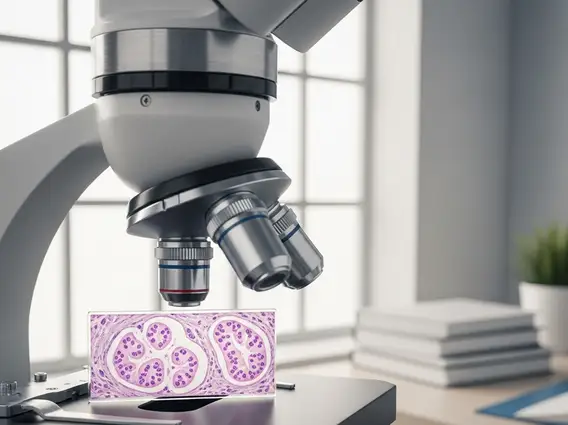
- Pathological Confirmation: The pathologist examines the cells from the FNA biopsy under a microscope to identify cancerous cells and determine the specific type of thyroid cancer. In some cases, if the FNA results are inconclusive, a surgical biopsy (removing part or all of the thyroid) may be necessary to obtain a larger tissue sample for diagnosis.
Thyroid Cancer Treatment Options
Once a definitive diagnosis of Thyroid Cancer has been established, a comprehensive treatment plan is developed, tailored to the specific type, stage, and individual patient factors. The primary goal of thyroid cancer treatment options is to remove or destroy cancer cells while preserving thyroid function where possible, and preventing recurrence.
Surgical Approaches
Surgery is the cornerstone of treatment for most types of thyroid cancer, aiming to remove the cancerous tissue and any affected lymph nodes. The extent of surgery depends on the size and type of the tumor, as well as whether it has spread.
- Thyroidectomy: This is the most common surgical procedure.
- Total Thyroidectomy: The entire thyroid gland is removed. This is often recommended for larger tumors, cancer that has spread to lymph nodes, or aggressive types of thyroid cancer.
- Lobectomy (Partial Thyroidectomy): Only the lobe of the thyroid containing the cancer is removed. This may be an option for very small, low-risk papillary or follicular cancers that are confined to one side of the gland.
- Lymph Node Dissection: If cancer has spread to nearby lymph nodes, or if there is a high risk of spread, the surgeon may also remove affected lymph nodes in the neck during the thyroidectomy.
Following a total thyroidectomy, patients will require lifelong thyroid hormone replacement therapy to compensate for the absence of the thyroid gland.
Post-Surgical and Adjuvant Therapies
After surgery, additional therapies may be recommended to destroy any remaining cancer cells, prevent recurrence, or manage advanced disease. These adjuvant treatments are crucial in optimizing long-term outcomes for many patients.
- Radioactive Iodine (RAI) Therapy: This therapy is often used after surgery for papillary and follicular thyroid cancers. Radioactive iodine is absorbed by any remaining thyroid tissue (including microscopic cancer cells) and destroys them, while largely sparing other body tissues. It is particularly effective for treating cancer that has spread to lymph nodes or distant sites.
- Thyroid Hormone Replacement Therapy: After a total thyroidectomy, patients must take synthetic thyroid hormone (levothyroxine) daily for the rest of their lives. This medication not only replaces the hormones the thyroid gland would normally produce but also helps suppress TSH (Thyroid-Stimulating Hormone) levels, which can stimulate the growth of any remaining thyroid cancer cells.
- External Beam Radiation Therapy: This treatment uses high-energy X-rays to kill cancer cells. It is typically reserved for more aggressive or advanced thyroid cancers, such as anaplastic thyroid cancer, or when cancer has recurred and cannot be treated with surgery or radioactive iodine.
- Chemotherapy and Targeted Therapy: These systemic treatments are generally used for very advanced, aggressive, or metastatic thyroid cancers that do not respond to other therapies. Targeted therapies specifically block the growth and spread of cancer by interfering with specific molecules involved in tumor growth, often with fewer side effects than traditional chemotherapy.
It is important to note that any mention of alternative or complementary therapies in general health discussions is for informational purposes only and should not replace conventional medical treatment for thyroid cancer. Always consult with a qualified healthcare professional for diagnosis and treatment.
Thyroid Cancer FAQs
Yes, thyroid cancer is considered relatively common among endocrine cancers. According to the American Cancer Society, it is estimated that over 40,000 new cases are diagnosed annually in the United States. While its incidence has shown an increasing trend globally, particularly for papillary thyroid cancer, the vast majority of cases have an excellent prognosis and high survival rates, making it one of the most treatable cancers.
The prognosis for thyroid cancer is generally very good, especially for the common papillary and follicular types. For localized papillary or follicular thyroid cancer, the 5-year survival rate exceeds 99%. Even when the cancer has spread regionally to nearby lymph nodes, survival rates remain high. Factors like the specific type of cancer, its stage at diagnosis, the patient’s age, and response to treatment significantly influence the individual prognosis.
Preventing thyroid cancer entirely is challenging, as many risk factors, such as genetic predisposition, are beyond an individual’s control. However, reducing controllable risk factors can be beneficial. Avoiding unnecessary exposure to radiation, especially to the head and neck during childhood, is important. For individuals with a strong family history of medullary thyroid cancer, genetic counseling and testing may allow for prophylactic thyroidectomy to prevent the disease.