Key Takeaways
- Rectal cancer develops in the rectum, distinct from colon cancer, though often grouped under colorectal cancer.
- Common symptoms include changes in bowel habits, rectal bleeding, and abdominal discomfort, necessitating prompt medical evaluation.
- Diagnosis involves a combination of physical exams, endoscopy (colonoscopy), biopsy, and imaging tests to determine the cancer’s extent.
- Treatment is multidisciplinary, often involving surgery, chemotherapy, and radiation therapy, tailored to the individual’s cancer stage and overall health.
- Prognosis is highly dependent on the stage at diagnosis, with earlier detection generally leading to better outcomes.
What is Rectal Cancer?
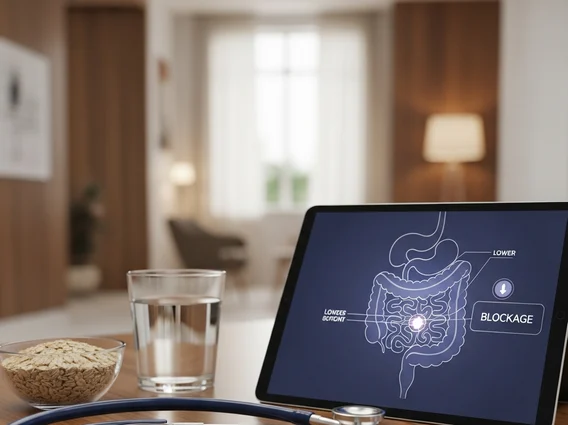
Rectal cancer refers to the uncontrolled growth of abnormal cells that form a malignant tumor in the rectum. The rectum is the last 12 to 15 centimeters (about 5 to 6 inches) of the large intestine, connecting the colon to the anus. While often discussed alongside colon cancer as “colorectal cancer,” rectal cancer presents unique challenges due to the rectum’s confined location within the pelvis, which impacts surgical approaches and potential side effects of treatment.
The development of rectal cancer typically begins with the formation of polyps, which are small, non-cancerous growths on the inner lining of the rectum. Over time, some of these polyps, particularly adenomatous polyps, can undergo malignant transformation and become cancerous. The exact causes of rectal cancer are not fully understood, but a combination of genetic and environmental factors is believed to play a role. Risk factors include a family history of colorectal cancer, inflammatory bowel diseases like Crohn’s disease or ulcerative colitis, certain inherited genetic syndromes (such as familial adenomatous polyposis and Lynch syndrome), a diet high in red and processed meats, obesity, smoking, and excessive alcohol consumption. According to the American Cancer Society, colorectal cancer is the third most common cancer diagnosed in both men and women in the United States, with rectal cancer accounting for approximately one-third of these cases.
Symptoms and Stages of Rectal Cancer
Recognizing the symptoms of rectal cancer early is vital for improving prognosis. Many of these symptoms can also be indicative of less serious conditions, but persistent or worsening signs warrant immediate medical attention. Common symptoms include a change in bowel habits, such as diarrhea or constipation, or a change in the consistency of stool, which lasts for more than a few days. Rectal bleeding or blood in the stool, often appearing bright red, is another frequent symptom. Other indicators may include persistent abdominal discomfort, such as cramps, gas, or pain, a feeling that the bowel doesn’t empty completely, unexplained weight loss, and fatigue or weakness due to anemia caused by chronic blood loss.
The stages of rectal cancer describe the extent to which the cancer has spread from its origin. Staging is a critical process that guides treatment decisions and helps predict a patient’s prognosis. The most widely used system is the TNM (Tumor, Node, Metastasis) system, developed by the American Joint Committee on Cancer (AJCC). This system evaluates three key aspects:
- T (Tumor): Describes the size and extent of the primary tumor, specifically how deeply it has grown into the rectal wall and whether it has invaded nearby tissues.
- N (Nodes): Indicates whether the cancer has spread to nearby lymph nodes. Lymph nodes are small, bean-shaped organs that are part of the body’s immune system.
- M (Metastasis): Determines if the cancer has spread to distant parts of the body, such as the liver, lungs, or bones. This is known as metastatic cancer.
Based on these factors, rectal cancer is typically categorized into stages 0 through IV. Stage 0 represents carcinoma in situ, where abnormal cells are found only in the innermost lining of the rectum. Stage I indicates that the cancer has grown into the inner layers of the rectal wall but has not spread to lymph nodes or distant sites. Stage II involves deeper invasion into the rectal wall or nearby tissues, but still no lymph node involvement or distant spread. Stage III signifies that the cancer has spread to nearby lymph nodes but not to distant organs. Stage IV is the most advanced stage, meaning the cancer has metastasized to distant organs. Early-stage detection significantly improves the likelihood of successful treatment and a favorable prognosis.
Diagnosing Rectal Cancer
The process of rectal cancer diagnosis involves a series of tests and procedures designed to confirm the presence of cancer, determine its exact location, and assess its stage. A thorough medical history and physical examination, including a digital rectal exam (DRE), are often the first steps. During a DRE, a doctor inserts a gloved, lubricated finger into the rectum to feel for any abnormalities or masses.
If abnormalities are detected or symptoms suggest rectal cancer, further diagnostic tests are performed. A colonoscopy is the gold standard for diagnosis, allowing a gastroenterologist to visualize the entire colon and rectum using a flexible tube with a camera. During a colonoscopy, any suspicious polyps or lesions can be biopsied, meaning a small tissue sample is removed for microscopic examination by a pathologist. This biopsy is crucial for confirming the presence of cancer cells and determining the specific type of cancer. Blood tests, such as a complete blood count (CBC) to check for anemia and a carcinoembryonic antigen (CEA) test, can also provide supporting information, although CEA is primarily used to monitor treatment effectiveness and recurrence rather than for initial diagnosis.
Once cancer is confirmed, imaging tests are essential for staging the disease. These tests help determine the extent of the cancer’s spread and whether it has invaded surrounding tissues or distant organs. Common imaging modalities include:
| Imaging Test | Purpose |
|---|---|
| Computed Tomography (CT) Scan | Provides detailed cross-sectional images of the abdomen, pelvis, and chest to check for spread to lymph nodes or distant organs like the liver or lungs. |
| Magnetic Resonance Imaging (MRI) | Offers high-resolution images of the rectum and surrounding pelvic structures, crucial for assessing the depth of tumor invasion into the rectal wall and involvement of nearby structures, which guides surgical planning. |
| Positron Emission Tomography (PET) Scan | Uses a radioactive tracer to identify areas of increased metabolic activity, which can indicate cancer cells, helping to detect distant metastases that might be missed by other scans. |
| Endorectal Ultrasound | Uses a small probe inserted into the rectum to create detailed images of the rectal wall and surrounding tissues, providing precise information about the tumor’s depth and lymph node involvement. |
The combination of these diagnostic tools allows healthcare providers to accurately stage the rectal cancer, which is fundamental for developing an individualized and effective treatment plan.
Treatment Options and Prognosis
The approach to rectal cancer treatment options is highly individualized, depending on the cancer’s stage, location, the patient’s overall health, and personal preferences. Treatment often involves a multidisciplinary team of specialists, including colorectal surgeons, oncologists, radiation oncologists, and pathologists. The primary goal is to remove the cancer, prevent its recurrence, and preserve bowel function and quality of life whenever possible.
For many patients, treatment begins with neoadjuvant therapy, which involves chemotherapy, radiation therapy, or both, administered before surgery. This approach aims to shrink the tumor, making it easier to remove surgically, and to reduce the risk of local recurrence. Following neoadjuvant therapy, a period of rest allows the body to recover before surgical intervention. Adjuvant therapy, given after surgery, may also be recommended to eliminate any remaining cancer cells and further reduce the risk of recurrence.
Surgical Interventions
Surgery is a cornerstone of rectal cancer treatment, aiming to remove the tumor and a margin of healthy tissue, along with nearby lymph nodes. The specific surgical procedure depends on the tumor’s size, location within the rectum, and stage. Common surgical options include:
- Local Excision: For very early-stage cancers that have not spread deeply, the tumor can sometimes be removed through the anus without a major abdominal incision.
- Low Anterior Resection (LAR): This is a common procedure for tumors in the upper and middle rectum. The surgeon removes the cancerous section of the rectum and then reconnects the remaining colon to the lower rectum or anus, often preserving normal bowel function.
- Abdominoperineal Resection (APR): For tumors located very low in the rectum, close to the anus, an APR may be necessary. This involves removing the anus, rectum, and part of the colon. A permanent colostomy is then created, where the end of the colon is brought through an opening in the abdominal wall to collect stool in an external bag.
- Proctectomy with Coloanal Anastomosis: This procedure involves removing the entire rectum and connecting the colon directly to the anus, often requiring a temporary ileostomy to divert stool while the new connection heals.
Non-Surgical Therapies
Beyond surgery, several non-surgical therapies play critical roles in treating rectal cancer:
- Chemotherapy: This involves using drugs to kill cancer cells throughout the body. It can be given intravenously or orally and is often used before or after surgery, or as a primary treatment for advanced or metastatic disease.
- Radiation Therapy: High-energy rays are used to destroy cancer cells or shrink tumors. External beam radiation therapy (EBRT) is commonly used for rectal cancer, targeting the tumor from outside the body. Internal radiation (brachytherapy) may also be an option in specific cases.
- Targeted Therapy: These drugs specifically target certain molecules involved in cancer growth and spread, often with fewer side effects than traditional chemotherapy. They are typically used for advanced rectal cancer based on specific genetic mutations found in the tumor.
- Immunotherapy: This treatment harnesses the body’s own immune system to fight cancer. It is a newer option for some patients with advanced rectal cancer, particularly those with specific genetic markers like microsatellite instability-high (MSI-H) or mismatch repair deficient (dMMR) tumors.
The rectal cancer prognosis varies significantly depending on the stage at diagnosis. Generally, cancers detected at earlier stages (Stage I and II) have a more favorable prognosis, with higher survival rates. For instance, the 5-year survival rate for localized rectal cancer (cancer that has not spread beyond the rectum) is approximately 82%, according to the National Cancer Institute’s SEER program data. However, if the cancer has spread to regional lymph nodes (Stage III), the 5-year survival rate drops to about 69%. For distant metastatic disease (Stage IV), the 5-year survival rate is around 17%. Factors influencing prognosis include the tumor’s grade (how aggressive the cancer cells appear), the presence of specific genetic mutations, the patient’s overall health, and their response to treatment. Regular follow-up care, including surveillance colonoscopies and imaging, is crucial for monitoring for recurrence and managing long-term side effects.
Cooking Methods FAQs
While often grouped as colorectal cancer, colon cancer originates in the large intestine (colon), whereas rectal cancer develops in the rectum, the final section of the large intestine connected to the anus. The anatomical location of the rectum within the narrow pelvic cavity often dictates different surgical approaches and radiation therapy considerations compared to colon cancer, which can affect treatment plans and potential side effects. Both share similar risk factors and can present with overlapping symptoms, but their management can diverge significantly.
While complete prevention is not guaranteed, the risk of developing rectal cancer can be significantly reduced through lifestyle modifications and regular screening. Maintaining a healthy weight, adopting a diet rich in fruits, vegetables, and whole grains while limiting red and processed meats, engaging in regular physical activity, and avoiding smoking and excessive alcohol consumption are key. Regular colorectal cancer screenings, such as colonoscopies, are crucial for detecting and removing precancerous polyps before they can develop into cancer, especially for individuals over 45 or those with a family history.
Long-term effects of rectal cancer treatment can vary widely depending on the type and intensity of therapies received. Patients may experience changes in bowel function, such as increased frequency, urgency, or incontinence, particularly after surgery or radiation therapy to the pelvis. Other potential effects include sexual dysfunction, nerve damage, and fatigue. Some individuals may live with a permanent colostomy. Regular follow-up care and rehabilitation programs are essential to manage these effects, improve quality of life, and monitor for any signs of recurrence.
Information provided in this article is for supportive purposes only and does not replace professional medical advice, diagnosis, or treatment. Always seek the advice of your physician or other qualified health provider with any questions you may have regarding a medical condition.