Key Takeaways
- Non-small cell lung cancer is the most prevalent type of lung cancer, encompassing several subtypes like adenocarcinoma, squamous cell carcinoma, and large cell carcinoma.
- Smoking is the leading cause of NSCLC, though other risk factors such as radon exposure and air pollution also contribute significantly.
- Common symptoms include persistent cough, chest pain, and shortness of breath, often prompting diagnosis through imaging and biopsy.
- Staging of NSCLC, typically using the TNM system, is critical for determining the extent of the disease and guiding appropriate treatment strategies.
- Early detection and personalized treatment plans, informed by comprehensive **information about non-small cell lung cancer**, significantly improve outcomes for individuals affected by this complex disease.
What is Non-Small Cell Lung Cancer (NSCLC)?
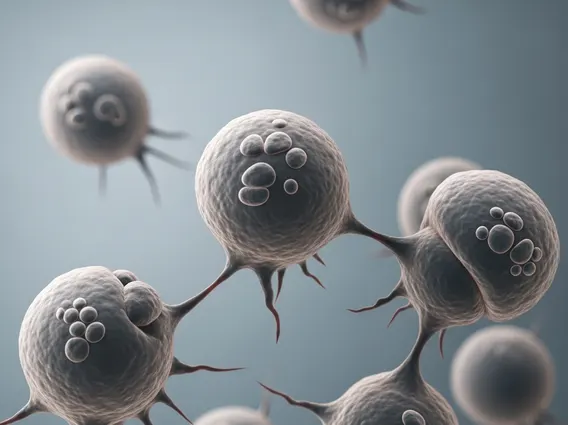
Non-small cell lung cancer is a broad category that includes several types of lung cancer that behave similarly. Unlike small cell lung cancer, which tends to grow and spread quickly, NSCLC generally grows and spreads more slowly. This distinction is vital for determining the most effective treatment approach. The term “non-small cell” refers to the appearance of the cancer cells when viewed under a microscope, which are larger than those found in small cell lung cancer.
Globally, lung cancer remains a significant public health challenge. According to the World Health Organization (WHO), lung cancer was responsible for an estimated 1.8 million deaths worldwide in 2020, making it one of the deadliest cancers. NSCLC accounts for the vast majority of these cases, highlighting the widespread impact and the continuous need for advanced research and improved treatment modalities. The disease typically originates in the epithelial cells lining the bronchi, bronchioles, or alveoli of the lungs, leading to uncontrolled cell growth and the formation of tumors.
Types and Causes of NSCLC
Understanding the specific types of NSCLC and their underlying causes is fundamental to effective management. The primary subtypes of **non-small cell lung cancer** each have unique characteristics and prevalence rates. While smoking is the predominant risk factor, a combination of environmental, genetic, and occupational exposures can also contribute to the development of this disease.
The main **types of non-small cell lung cancer** include:
- Adenocarcinoma: This is the most common type of NSCLC, accounting for about 40% of all lung cancers. It typically forms in the outer parts of the lung and is often found in current or former smokers, but it is also the most common type of lung cancer seen in non-smokers and women.
- Squamous Cell Carcinoma: This type makes up about 25-30% of all lung cancers. It usually starts in the central part of the lungs, near a main airway (bronchus). Squamous cell carcinoma is strongly linked to a history of smoking.
- Large Cell Carcinoma: This is a less common and fast-growing type, accounting for about 10-15% of NSCLC cases. It can appear in any part of the lung and tends to grow and spread more quickly than adenocarcinoma or squamous cell carcinoma.
The leading **non-small cell lung cancer causes** are primarily related to environmental exposures and lifestyle choices. Smoking, both active and passive, is by far the most significant risk factor. The Centers for Disease Control and Prevention (CDC) states that cigarette smoking is linked to about 80% to 90% of lung cancer deaths in the United States. Other important risk factors include:
- Radon Exposure: Radon is a naturally occurring radioactive gas that can accumulate in homes and buildings. It is the second leading cause of lung cancer after smoking.
- Asbestos Exposure: Workers exposed to asbestos fibers, often in construction or shipbuilding, have an increased risk of developing lung cancer, especially if they also smoke.
- Air Pollution: Long-term exposure to fine particulate matter in outdoor air pollution can increase the risk of lung cancer.
- Genetic Factors: A family history of lung cancer or certain genetic mutations can increase susceptibility.
- Previous Radiation Therapy: Radiation treatment to the chest for other cancers can elevate the risk of developing NSCLC later in life.
Symptoms and Diagnosis of Non-Small Cell Lung Cancer
Recognizing the **non-small cell lung cancer symptoms** early is crucial for improving patient outcomes, although symptoms often do not appear until the cancer is advanced. Many early symptoms can be vague and easily mistaken for less serious conditions, making awareness and timely medical consultation vital. Persistent changes in respiratory health should always prompt a visit to a healthcare provider.
Common symptoms that may indicate the presence of NSCLC include:
- A new cough that doesn’t go away or a change in a chronic cough
- Coughing up blood or rust-colored sputum
- Chest pain that is often worse with deep breathing, coughing, or laughing
- Hoarseness or changes in voice
- Weight loss and loss of appetite
- Shortness of breath or wheezing
- Feeling tired or weak
- Recurrent infections such as bronchitis or pneumonia
**Diagnosing non-small cell lung cancer** involves a multi-step process designed to confirm the presence of cancer, determine its specific type, and assess its extent. The diagnostic journey typically begins with imaging tests, followed by a biopsy to obtain tissue for pathological examination. Initial imaging tests may include a chest X-ray, which can reveal abnormalities, or a computed tomography (CT) scan, which provides more detailed images of the lungs and surrounding areas.
If imaging suggests cancer, a biopsy is performed to collect a tissue sample. This can be done through various methods, such as bronchoscopy (inserting a thin, lighted tube into the airways), needle biopsy (using a needle guided by imaging to extract tissue), or surgical biopsy. The tissue is then examined by a pathologist to confirm the diagnosis of NSCLC and identify its specific subtype. Further molecular testing on biopsy samples can identify specific genetic mutations or protein expressions, which are critical for guiding targeted therapies and immunotherapies in personalized medicine approaches.
Staging Non-Small Cell Lung Cancer
The process of **staging non-small cell lung cancer** is a critical step after diagnosis, as it determines the extent of the cancer’s spread within the body. This information is essential for doctors to plan the most appropriate treatment strategy and to provide an accurate prognosis. NSCLC is primarily staged using the TNM system, which evaluates the Tumor (T), regional Lymph Nodes (N), and distant Metastasis (M).
The TNM system provides a detailed classification:
- T (Tumor): Describes the size and extent of the primary tumor. This includes how large the tumor is and whether it has grown into nearby structures.
- N (Nodes): Indicates whether the cancer has spread to nearby lymph nodes. Lymph nodes are small, bean-shaped organs that are part of the body’s immune system.
- M (Metastasis): Determines if the cancer has spread to distant parts of the body (metastasis), such as the brain, bones, liver, or the other lung.
Based on the TNM classification, NSCLC is grouped into stages, from 0 to IV, with higher stages indicating more advanced disease. This comprehensive staging helps in making informed decisions about treatment options, which can range from surgery, radiation therapy, and chemotherapy to targeted therapy and immunotherapy, depending on the stage and specific characteristics of the cancer.
| Stage | Description | Treatment Implications (General) |
|---|---|---|
| Stage 0 (Carcinoma in situ) | Abnormal cells are present only in the innermost lining of the lung and have not spread. | Often treated with surgery to remove the abnormal tissue. |
| Stage I | Cancer is small and has not spread to lymph nodes or outside the lung. | Typically treated with surgery; sometimes followed by chemotherapy. |
| Stage II | Cancer is larger or has spread to nearby lymph nodes on the same side of the chest. | Surgery, often combined with chemotherapy and/or radiation therapy. |
| Stage III | Cancer is larger, has spread to more distant lymph nodes, or has grown into nearby structures. | Often treated with a combination of chemotherapy, radiation therapy, and sometimes surgery. Immunotherapy may also be used. |
| Stage IV | Cancer has spread to distant parts of the body, such as the other lung, brain, bones, or liver. | Systemic treatments like chemotherapy, targeted therapy, immunotherapy, and palliative care to manage symptoms. |
Cooking Methods FAQs
The primary risk factor for non-small cell lung cancer is smoking, including both active smoking and exposure to secondhand smoke. Other significant risk factors include exposure to radon gas, asbestos, and certain industrial chemicals. Air pollution, a family history of lung cancer, and previous radiation therapy to the chest also contribute to an increased risk. Limiting exposure to these factors can help reduce the likelihood of developing NSCLC.
The potential for a cure for non-small cell lung cancer largely depends on the stage at which it is diagnosed. When detected at early stages (Stage I or II), particularly when the tumor is small and localized, surgery can be curative for many patients. For more advanced stages, treatment focuses on controlling the disease, improving quality of life, and extending survival through various therapies, though a complete cure becomes less likely. Advances in targeted therapies and immunotherapy continue to improve outcomes for many.
Treatment for non-small cell lung cancer is highly individualized and depends on the cancer’s stage, type, and the patient’s overall health. Common treatment modalities include surgery to remove the tumor, radiation therapy to destroy cancer cells, and chemotherapy to kill cancer cells throughout the body. Additionally, targeted therapies, which block specific molecules needed for cancer growth, and immunotherapy, which boosts the body’s immune response against cancer, are increasingly used, especially for advanced stages or specific genetic mutations.