Key Takeaways
- Gallbladder cancer is an uncommon but aggressive malignancy often diagnosed at advanced stages due to non-specific early symptoms.
- Risk factors include gallstones, chronic inflammation, and certain demographic characteristics, though the exact causes are not fully understood.
- Diagnosis typically involves imaging tests like ultrasound, CT, and MRI, often followed by biopsy for confirmation.
- Treatment strategies depend heavily on the stage of the cancer, ranging from surgery for early-stage disease to chemotherapy and radiation for more advanced cases.
- Prognosis for gallbladder cancer is generally poor, especially when diagnosed at later stages, underscoring the importance of early detection.
Understanding Gallbladder Cancer: Causes and Symptoms
Gallbladder cancer is a relatively uncommon form of cancer that begins in the gallbladder, a small, pear-shaped organ on the right side of your abdomen, just beneath your liver. Its primary function is to store and concentrate bile, a digestive fluid produced by the liver. When cancer develops in this organ, it often grows silently in its early stages, making diagnosis challenging.
The insidious nature of this disease means that symptoms often do not appear until the cancer has advanced, making it one of the more difficult cancers to treat effectively. Most gallbladder cancers are adenocarcinomas, meaning they originate in the glandular cells lining the gallbladder’s inner surface.
What is Gallbladder Cancer?
Gallbladder cancer is a malignant condition characterized by the uncontrolled growth of abnormal cells within the gallbladder. These cells can form tumors that invade surrounding tissues and, if left untreated, can metastasize to distant parts of the body. Its rarity, combined with a lack of distinct early warning signs, contributes to its often late-stage presentation.
Causes and Risk Factors for Gallbladder Cancer
The exact causes of gallbladder cancer are not fully understood, but several risk factors have been identified that increase an individual’s likelihood of developing the disease. Chronic inflammation of the gallbladder, often due to gallstones, is considered a significant contributor. While most people with gallstones do not develop cancer, their presence is a notable risk factor.
Other factors that may increase the risk include porcelain gallbladder (a condition where the gallbladder wall becomes calcified), certain types of cysts in the bile ducts (choledochal cysts), and chronic infections like Salmonella typhi. Demographic factors also play a role, with a higher incidence observed in women, certain ethnic groups (such as Native Americans and Mexican Americans), and individuals over the age of 60. Obesity and exposure to certain industrial chemicals are also considered potential risk factors.
Symptoms of Gallbladder Cancer
The symptoms of gallbladder cancer are often vague and can mimic those of other, less serious conditions, which is a major reason for late diagnosis. As the disease progresses, symptoms become more pronounced. It is important to consult a healthcare professional if any of these symptoms persist or worsen:
- Jaundice: Yellowing of the skin and whites of the eyes, caused by a buildup of bilirubin when the bile duct is blocked by the tumor.
- Abdominal Pain: Persistent pain in the upper right abdomen, which may radiate to the back.
- Nausea and Vomiting: Often accompanied by a loss of appetite.
- Unexplained Weight Loss: Significant weight loss without intentional dieting.
- Abdominal Swelling: Due to fluid buildup or an enlarged liver.
- Itching: Generalized itching of the skin, also due to bilirubin buildup.
- Dark Urine and Pale Stools: Changes in urine and stool color due to bile duct obstruction.
These symptoms are not exclusive to gallbladder cancer and can be indicative of many other conditions, including gallstones or hepatitis. Therefore, a thorough medical evaluation is essential for accurate diagnosis.
Diagnosing and Staging Gallbladder Cancer
Diagnosing gallbladder cancer typically involves a combination of physical exams, laboratory tests, and advanced imaging techniques. Due to the deep location of the gallbladder and the non-specific nature of early symptoms, diagnosis often occurs when the cancer has already spread beyond the organ.
Once diagnosed, accurately staging the cancer is critical for determining the most appropriate treatment plan and predicting prognosis. Staging helps to understand the extent of the cancer’s spread within the gallbladder and to other parts of the body.
How is Gallbladder Cancer Diagnosed?
The diagnostic process for gallbladder cancer usually begins with a physical examination and a review of the patient’s medical history and symptoms. Blood tests may be ordered to check liver function and look for tumor markers, such as CA 19-9, although these are not definitive for diagnosis.
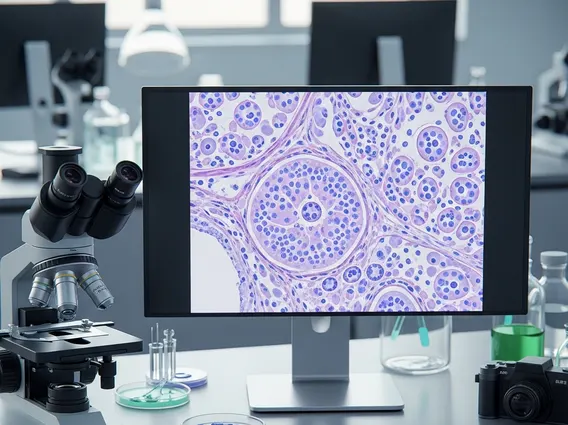
Imaging tests are crucial for visualizing the gallbladder and surrounding structures. An abdominal ultrasound is often the first test, which can detect gallstones, thickening of the gallbladder wall, or a mass. If abnormalities are found, further imaging may include computed tomography (CT) scans, magnetic resonance imaging (MRI) scans, and endoscopic ultrasound (EUS). In some cases, a cholangiopancreatography (ERCP or MRCP) may be performed to visualize the bile ducts. A definitive diagnosis usually requires a biopsy, where a tissue sample is taken and examined under a microscope by a pathologist.
Stages of Gallbladder Cancer Explained
The stages of gallbladder cancer explained are typically categorized using the TNM (Tumor, Node, Metastasis) system, which describes the size and extent of the primary tumor (T), whether it has spread to nearby lymph nodes (N), and whether it has metastasized to distant sites (M). The stages range from 0 to IV, with higher numbers indicating more advanced disease:
| Stage | Description |
|---|---|
| Stage 0 (Carcinoma in situ) | Abnormal cells are found only in the innermost layer of the gallbladder lining. |
| Stage I | Cancer has grown into the muscle layer of the gallbladder wall but has not spread to nearby lymph nodes or distant sites. |
| Stage II | Cancer has grown through the muscle layer and into the connective tissue or outer layer of the gallbladder, but not to nearby organs or lymph nodes. |
| Stage III | Cancer has spread to nearby organs (e.g., liver, stomach, small intestine) or to nearby lymph nodes, but not to distant sites. |
| Stage IV | Cancer has spread to distant organs or tissues, such as the lungs, bones, or peritoneum. |
Accurate staging is vital for guiding treatment decisions and providing an estimate of the patient’s prognosis. Early-stage cancers are generally more amenable to curative treatments, while advanced stages often require palliative care.
Gallbladder Cancer Treatment and Prognosis
The treatment approach for gallbladder cancer is highly individualized, depending on the stage of the cancer, the patient’s overall health, and their preferences. Due to the aggressive nature of the disease and its frequent late diagnosis, treatment can be complex and challenging.
Prognosis, or the likely outcome of the disease, is also closely tied to the stage at which the cancer is discovered and the effectiveness of the chosen treatments. Early detection significantly improves the chances of successful intervention.
Gallbladder Cancer Treatment Options
Gallbladder cancer treatment options vary widely based on the stage of the disease. For early-stage cancer that has not spread beyond the gallbladder, surgery is the primary treatment with curative intent. This typically involves a cholecystectomy (removal of the gallbladder), often extended to remove a portion of the liver and surrounding lymph nodes to ensure all cancerous cells are removed.
When the cancer has spread beyond the gallbladder or cannot be completely removed surgically, other treatments are employed to control the disease, relieve symptoms, and improve quality of life. These may include:
- Chemotherapy: Uses drugs to kill cancer cells, often given before surgery (neoadjuvant) to shrink tumors, after surgery (adjuvant) to destroy remaining cells, or for advanced cancer to slow growth.
- Radiation Therapy: Uses high-energy rays to destroy cancer cells or shrink tumors, sometimes used after surgery or for palliative care.
- Targeted Therapy: Drugs that specifically target certain molecules involved in cancer growth, used for advanced cancers with specific genetic mutations.
- Immunotherapy: Helps the body’s immune system fight cancer, a newer option for some advanced cases.
- Palliative Care: Focuses on relieving symptoms and improving quality of life, especially for advanced or metastatic cancer. This can include procedures to relieve bile duct obstruction, such as stenting.
A multidisciplinary team of specialists, including surgeons, oncologists, and radiation oncologists, typically collaborates to develop the most effective treatment plan for each patient.
Gallbladder Cancer Prognosis and Survival Rate
The gallbladder cancer prognosis and survival rate are generally poor compared to many other cancers, primarily because it is often diagnosed at advanced stages. The 5-year survival rate varies significantly depending on the stage at diagnosis. For localized gallbladder cancer (cancer confined to the gallbladder), the 5-year survival rate can be around 50%, according to data from the American Cancer Society. However, if the cancer has spread regionally (to nearby tissues or lymph nodes), the rate drops to approximately 20%. For distant metastatic disease, the 5-year survival rate is typically less than 5%.
These statistics highlight the critical importance of early detection and aggressive treatment. Factors influencing prognosis include the stage of the cancer, the patient’s overall health, the type of cancer cells, and the response to treatment. While these statistics can be daunting, advancements in treatment continue to offer hope, and individual outcomes can vary widely.
Gallbladder Cancer FAQs
Gallbladder cancer is potentially curable if it is detected at a very early stage, typically when it is confined to the gallbladder and can be completely removed through surgery. However, due to its often late diagnosis, a cure is not always possible. For advanced stages, treatment focuses on controlling the disease, extending life, and managing symptoms to improve quality of life.
Early warning signs of gallbladder cancer are often subtle and non-specific, making them difficult to distinguish from common ailments. They may include mild abdominal discomfort, indigestion, or unexplained fatigue. As the disease progresses, more noticeable symptoms like jaundice, persistent upper right abdominal pain, unexplained weight loss, and nausea or vomiting tend to appear.
While most people with gallstones do not develop gallbladder cancer, gallstones are considered a significant risk factor. Chronic inflammation caused by gallstones is thought to contribute to cellular changes that can lead to cancer over time. The risk is particularly elevated in cases of large gallstones or a condition known as porcelain gallbladder, where the gallbladder wall becomes calcified.