Key Takeaways
- Radiation therapy uses high-energy rays to damage cancer cells’ DNA, preventing them from growing and dividing, ultimately leading to their death.
- It is a versatile treatment used for curative, palliative, and adjuvant purposes across a wide range of cancers.
- Treatment involves precise planning, including simulation and imaging, to target cancer cells while minimizing damage to healthy tissues.
- There are two main types of radiation therapy treatment: external beam radiation, delivered from outside the body, and internal radiation (brachytherapy), where radioactive sources are placed inside the body.
- Common side effects of radiation therapy, such as fatigue and skin changes, are usually temporary and manageable with supportive care.
Understanding Radiation Therapy
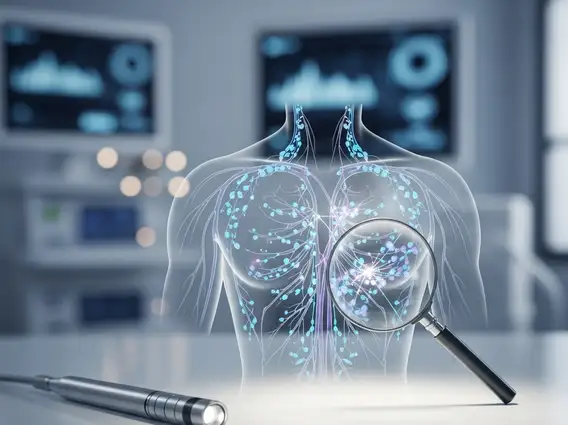
Radiation therapy, also known as radiotherapy, is a cornerstone of modern cancer treatment. It involves the use of high-energy radiation, such as X-rays, gamma rays, or protons, to damage the DNA of cancer cells. This damage prevents cancer cells from growing and dividing, leading to their eventual death and tumor shrinkage. It is a localized treatment, meaning it targets specific areas of the body, making it effective for treating tumors in various locations.
How it Fights Cancer
The fundamental principle behind what is radiation therapy lies in its ability to disrupt the cellular processes of rapidly dividing cells, a characteristic hallmark of cancer. While radiation affects both healthy and cancerous cells, cancer cells are generally less efficient at repairing the damage, making them more susceptible to the treatment. Advanced techniques allow oncologists to deliver radiation with extreme precision, maximizing the dose to the tumor while sparing surrounding healthy tissues.
According to the American Society for Radiation Oncology (ASTRO), more than half of all cancer patients receive radiation therapy for cancer at some point during their treatment journey, either alone or in combination with other therapies like surgery or chemotherapy. Its versatility makes it a vital tool in comprehensive cancer care.
Treatment Goals
The objectives of radiation therapy can vary significantly based on the type and stage of cancer, as well as the patient’s overall health. Common treatment goals include:
- Curative Treatment: Administered with the intent to eliminate all cancer cells and achieve a cure, often for early-stage cancers or in combination with surgery.
- Adjuvant Treatment: Given after primary treatment (e.g., surgery) to destroy any remaining cancer cells and reduce the risk of recurrence.
- Neoadjuvant Treatment: Provided before primary treatment (e.g., surgery) to shrink a tumor, making it easier to remove or to preserve organ function.
- Palliative Treatment: Used to relieve symptoms caused by advanced cancer, such as pain, bleeding, or pressure, thereby improving the patient’s quality of life.
How Radiation Works
Understanding how radiation therapy works involves appreciating its impact at a microscopic level and the sophisticated methods used to deliver it. The goal is always to maximize damage to cancer cells while minimizing harm to healthy tissues.
Cellular-Level Impact
Radiation energy, when absorbed by cells, creates highly reactive molecules called free radicals. These free radicals then damage the DNA within the cells. DNA is the blueprint for cell function and reproduction. When its structure is compromised, cancer cells lose their ability to divide and grow, eventually leading to their death. This damage can be direct, where radiation directly hits the DNA, or indirect, through the creation of free radicals from water molecules within the cell. Healthy cells are generally better equipped to repair this DNA damage, allowing them to recover from the radiation exposure more effectively than cancer cells.
Targeting and Delivery Methods
Modern radiation therapy relies heavily on advanced imaging and computer technology to ensure precise targeting. Before treatment begins, detailed scans (CT, MRI, PET) are performed to map the exact location, shape, and size of the tumor. This information is then used by a team of specialists (radiation oncologists, medical physicists, dosimetrists) to create a personalized treatment plan. Techniques like Intensity-Modulated Radiation Therapy (IMRT) and Volumetric Modulated Arc Therapy (VMAT) allow for the radiation dose to be sculpted to the tumor’s shape, delivering higher doses to the cancer while sparing adjacent healthy organs. Stereotactic Body Radiation Therapy (SBRT) and Stereotactic Radiosurgery (SRS) are highly precise forms of radiation that deliver very high doses in a few treatments, often used for smaller tumors.
Types of Treatment
There are several distinct types of radiation therapy treatment, each designed to deliver radiation effectively based on the cancer’s location, size, and type. These can broadly be categorized into external and internal methods.
External Beam Options
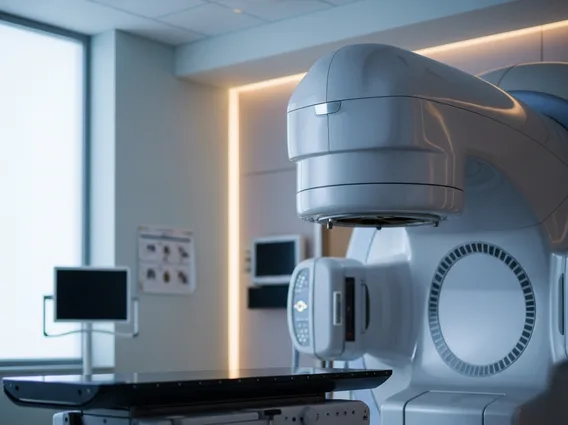
External beam radiation therapy (EBRT) is the most common type, delivered by a machine called a linear accelerator (LINAC) located outside the body. The machine directs high-energy rays to the tumor. Different techniques within EBRT offer varying levels of precision and dose distribution:
| Type of EBRT | Description | Key Benefit |
|---|---|---|
| 3D Conformal Radiation Therapy (3D-CRT) | Uses computers to create a 3D image of the tumor, allowing radiation beams to conform to its shape from multiple directions. | Better targeting than older 2D methods, reducing dose to healthy tissue. |
| Intensity-Modulated Radiation Therapy (IMRT) | An advanced form of 3D-CRT that allows the intensity of the radiation beams to be varied across the treatment field. | Highly precise dose sculpting, further sparing critical organs. |
| Volumetric Modulated Arc Therapy (VMAT) | A type of IMRT where the LINAC rotates around the patient while delivering radiation, varying dose rate and gantry speed. | Faster treatment delivery with highly conformal dose distributions. |
| Stereotactic Body Radiation Therapy (SBRT) / Stereotactic Radiosurgery (SRS) | Delivers very high doses of radiation in a few fractions (SBRT for body, SRS for brain/spine) with extreme precision. | Highly effective for small, well-defined tumors; fewer treatment sessions. |
| Proton Therapy | Uses protons instead of X-rays. Protons deposit most of their energy at a specific depth (Bragg peak) and then stop, reducing exit dose. | Minimizes radiation exposure to tissues beyond the tumor, beneficial for pediatric cancers and tumors near sensitive structures. |
Internal Radiation (Brachytherapy)
Brachytherapy involves placing radioactive sources directly inside or very close to the tumor. This allows for a very high dose of radiation to be delivered to a small area, with rapid dose fall-off, meaning surrounding healthy tissues receive much less radiation. It can be temporary (high-dose rate or low-dose rate) or permanent (seeds implanted). Brachytherapy is commonly used for prostate, cervical, breast, and skin cancers. The specific radioactive material and delivery method depend on the cancer type and location, ensuring optimal therapeutic effect.
The Treatment Process Explained
The radiation therapy procedure explained involves several distinct phases, from initial consultation to the completion of daily treatments. Each step is carefully planned and executed by a multidisciplinary team to ensure accuracy and patient safety.
Planning and Simulation
The journey begins with a consultation with a radiation oncologist, who reviews the patient’s medical history, diagnostic images, and pathology reports. If radiation therapy is deemed appropriate, the next step is simulation. During simulation, the patient is positioned on a treatment table, often using custom immobilization devices to ensure consistent positioning for every session. A CT scan is performed to create detailed 3D images of the tumor and surrounding healthy organs. For some cancers, MRI or PET scans may also be used. Small, permanent marks (tattoos) or temporary marks are often placed on the skin to guide daily setup. This data is then used by medical physicists and dosimetrists to develop a precise treatment plan, calculating the exact angles, shapes, and intensities of the radiation beams to deliver the prescribed dose to the tumor while minimizing exposure to healthy tissues.
What to Expect During Sessions
Once the treatment plan is finalized, daily treatment sessions begin. Patients typically lie on a treatment table in the same position as during simulation. The radiation therapists use the skin marks and imaging guidance (such as daily X-rays or CT scans) to precisely align the patient and the treatment machine. The actual delivery of radiation usually takes only a few minutes, though the entire process, including setup, can take 15-30 minutes. Patients will hear the machine operating but will not feel the radiation itself. The therapists monitor the patient from an adjacent room via cameras and an intercom system. The number of treatment sessions varies widely, from a single session for some stereotactic treatments to 5-7 weeks of daily treatments for others, depending on the cancer type, stage, and treatment goals. Throughout the process, the radiation oncologist and nursing staff regularly monitor the patient for any side effects and adjust supportive care as needed.
Managing Potential Side Effects
While radiation therapy is highly effective, it can cause side effects because radiation affects both cancerous and some healthy cells in the treated area. The nature and severity of these effects depend on the treated body part, the radiation dose, and the individual’s overall health. Most side effects are temporary and resolve within weeks or months after treatment.
Common Reactions
Patients may experience a range of side effects of radiation therapy. General side effects, regardless of the treated area, often include:
- Fatigue: This is one of the most common side effects, often increasing as treatment progresses. It can range from mild tiredness to profound exhaustion.
- Skin Changes: In the treated area, the skin may become red, dry, itchy, sensitive, or blistered, similar to a sunburn. This is known as radiation dermatitis.
Site-specific side effects vary greatly. For example, radiation to the head and neck might cause mouth sores, difficulty swallowing, or taste changes. Pelvic radiation can lead to diarrhea or bladder irritation. Chest radiation might cause a cough or shortness of breath. Hair loss typically occurs only in the treated area and may be temporary or permanent depending on the dose.
Coping Strategies
Managing side effects is a crucial part of the radiation therapy journey. Healthcare teams provide guidance and support to help patients cope effectively:
- Fatigue Management: Prioritize rest, engage in light physical activity if possible, and maintain a balanced diet.
- Skin Care: Use mild soaps, lukewarm water, and fragrance-free moisturizers specifically recommended by the care team. Avoid sun exposure, tight clothing, and harsh chemicals on the treated skin.
- Nutrition: Maintain a healthy diet, staying well-hydrated. Nutritional counseling can be beneficial, especially if treatment affects appetite or swallowing.
- Pain and Discomfort: Over-the-counter or prescription medications can help manage pain, nausea, or other discomforts.
- Emotional Support: Connect with support groups, family, or mental health professionals to address emotional challenges.
It is essential for patients to communicate any new or worsening symptoms to their healthcare team promptly, as many side effects can be effectively managed with appropriate interventions.
Radiation Therapy FAQs
The duration of radiation therapy varies significantly based on the cancer type, stage, and treatment goals. A course of treatment can range from a single session for some stereotactic procedures to several weeks of daily treatments (typically five days a week) for more common scenarios. For instance, some prostate cancers might involve 4-5 weeks, while certain head and neck cancers could require 6-7 weeks. Your radiation oncologist will determine the precise schedule tailored to your specific condition.
The actual delivery of radiation therapy is not painful. Patients do not feel the radiation beams during treatment. However, some patients may experience discomfort from lying still on the treatment table for the duration of the session, or from side effects that develop over the course of treatment. These side effects, such as skin irritation or fatigue, can cause discomfort, but they are generally manageable with medication and supportive care provided by your healthcare team.
For external beam radiation therapy, patients are not radioactive and pose no risk to others. You can safely be around family, friends, and pets during and after your treatment sessions. If you receive internal radiation (brachytherapy), temporary precautions might be necessary while the radioactive source is active within your body, but your care team will provide specific instructions tailored to your treatment type to ensure safety for everyone.