Key Takeaways
- Organ inflammation is the body’s protective response to injury or infection within an organ, but it can become detrimental if chronic.
- Common causes of organ inflammation include infections, autoimmune diseases, toxins, and physical trauma, with symptoms varying greatly depending on the affected organ.
- Organ Related Inflammation in cancer patients is a significant concern, often triggered by the disease itself or as a side effect of treatments like chemotherapy and immunotherapy.
- Diagnosis of organ inflammation typically involves a combination of imaging, blood tests, and biopsies, while treatment for organ inflammation focuses on addressing the underlying cause and managing symptoms.
- Prompt recognition and appropriate intervention are crucial to prevent long-term complications and preserve organ function.
What is Organ Inflammation?
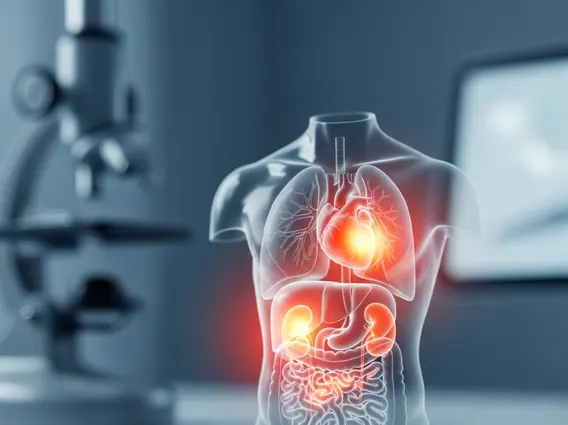
What is organ inflammation refers to the body’s intricate biological response to harmful stimuli, such as pathogens, damaged cells, or irritants, occurring within a specific internal organ. This protective mechanism is designed to remove the injurious stimulus and initiate the healing process. It involves a complex cascade of events, including the dilation of blood vessels, increased permeability of capillaries, and the migration of immune cells to the affected site, leading to characteristic signs like redness, swelling, heat, pain, and loss of function.
While acute inflammation is a short-term, beneficial process that typically resolves once the threat is neutralized, chronic inflammation can persist for extended periods, sometimes months or even years. This prolonged inflammatory state can be highly destructive, leading to progressive tissue damage, scarring, and ultimately, organ dysfunction. The specific manifestation and severity of inflammation depend heavily on the organ involved and the underlying cause, contributing to a wide spectrum of types of organ inflammation diseases.
Examples of these diseases include hepatitis (liver inflammation), nephritis (kidney inflammation), myocarditis (heart muscle inflammation), and colitis (colon inflammation). Each of these conditions presents unique challenges in terms of diagnosis and management due to the specialized functions and delicate structures of the affected organs. Understanding the transition from acute, protective inflammation to chronic, damaging inflammation is key to preventing severe health outcomes.
Causes and Symptoms of Inflamed Organs
The causes of organ inflammation are diverse and can range from infectious agents to autoimmune responses and environmental factors. Infections, whether bacterial, viral, fungal, or parasitic, are common triggers as the immune system mounts a defense within the affected organ. Autoimmune diseases, such as lupus or rheumatoid arthritis, can mistakenly target healthy organ tissues, leading to chronic inflammation. Exposure to toxins, certain medications, or physical injury can also provoke an inflammatory response within specific organs.
Recognizing the symptoms of inflamed organs is crucial for early intervention, though these symptoms can vary significantly depending on the organ affected. General signs of inflammation, such as fever, fatigue, and malaise, may be present, but localized symptoms provide more specific clues. For instance, liver inflammation (hepatitis) might manifest as jaundice and abdominal pain, while kidney inflammation (nephritis) could lead to swelling in the legs and changes in urine output. Heart inflammation (myocarditis) may cause chest pain and shortness of breath.
Here are some common symptoms associated with inflamed organs:
- Pain: Often localized to the area of the affected organ, ranging from dull aches to sharp, severe discomfort.
- Swelling: Visible or palpable enlargement of the organ or surrounding tissues, due to fluid accumulation.
- Redness/Warmth: Less common for internal organs, but can be present if inflammation is near the surface or severe.
- Fever: A systemic response indicating the body is fighting an infection or significant inflammatory process.
- Fatigue: Persistent tiredness and lack of energy, often accompanying chronic inflammation.
- Organ Dysfunction: Specific symptoms related to the impaired function of the inflamed organ, such as digestive issues for gut inflammation, shortness of breath for lung inflammation, or cognitive changes for brain inflammation.
It is important to note that some organ inflammation can be asymptomatic in its early stages, making regular health check-ups and awareness of subtle changes in body function vital for detection.
Organ Related Inflammation in Cancer Patients
Organ Related Inflammation in cancer patients represents a significant clinical challenge, often arising from the cancer itself, its treatments, or a combination of both. Cancer cells can release inflammatory mediators, directly contributing to systemic and localized inflammation that can promote tumor growth and metastasis. Furthermore, the aggressive nature of many cancer therapies, while targeting malignant cells, can inadvertently trigger inflammatory responses in healthy organs, leading to severe side effects.
Immunotherapy, a revolutionary cancer treatment that harnesses the body’s immune system to fight cancer, is a prime example. While highly effective, it can sometimes lead to immune-related adverse events (irAEs), where the activated immune cells mistakenly attack healthy organs. This can result in conditions such as pneumonitis (lung inflammation), colitis (colon inflammation), hepatitis (liver inflammation), or myocarditis (heart inflammation). According to a review published in the Journal of Clinical Oncology, irAEs affecting various organs are reported in 15-90% of patients treated with immune checkpoint inhibitors, depending on the agent and combination therapy used, with severe irAEs (grade 3-4) occurring in 5-30% of patients. These inflammatory complications necessitate careful monitoring and prompt management to prevent life-threatening outcomes and ensure patients can continue their cancer treatment.
Inflammation Induced by Chemotherapy and Radiation
Chemotherapy drugs, designed to kill rapidly dividing cancer cells, can also damage healthy cells in various organs, initiating an inflammatory cascade. For instance, certain chemotherapeutic agents can cause mucositis (inflammation of the mucous membranes throughout the digestive tract), nephrotoxicity (kidney inflammation), or cardiotoxicity (heart inflammation). Similarly, radiation therapy, while precisely targeted, can induce localized inflammation in the irradiated tissues. Radiation pneumonitis, an inflammation of the lungs, is a well-known complication of chest radiation, potentially leading to fibrosis and reduced lung function. Managing these treatment-induced inflammatory responses is critical for maintaining the patient’s quality of life and preventing treatment interruptions, which could compromise cancer outcomes.
Impact on Cancer Progression and Patient Outcomes
Beyond treatment side effects, chronic inflammation itself can play a role in cancer progression. It can create a microenvironment that supports tumor growth, angiogenesis (formation of new blood vessels to feed the tumor), and metastasis. This complex interplay between inflammation and cancer underscores the importance of understanding and managing inflammatory processes in cancer patients. Effective strategies to mitigate organ-related inflammation can not only alleviate patient suffering but also potentially improve the efficacy of cancer treatments and overall survival rates. Therefore, a multidisciplinary approach involving oncologists, immunologists, and organ-specific specialists is often required to navigate these intricate challenges.
Diagnosis and Treatment for Organ Inflammation
Accurate how to diagnose organ inflammation involves a comprehensive approach, combining clinical evaluation with various diagnostic tests. Initial assessment typically includes a thorough review of the patient’s medical history, a physical examination, and blood tests to look for markers of inflammation, such as C-reactive protein (CRP) and erythrocyte sedimentation rate (ESR), as well as organ-specific enzymes or antibodies. These tests can indicate the presence of inflammation and sometimes point towards its underlying cause, such as an infection or an autoimmune condition.
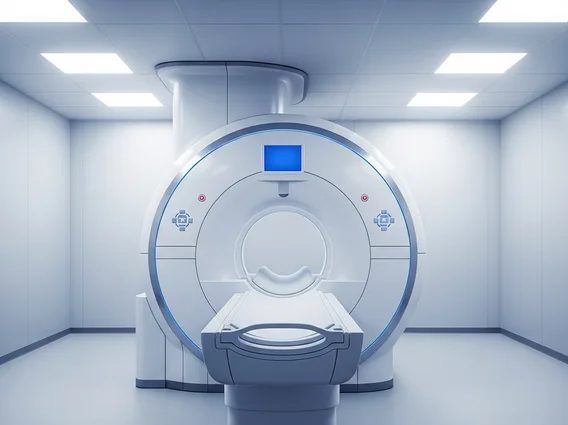
Imaging studies play a pivotal role in visualizing the affected organs and assessing the extent of inflammation. Techniques such as ultrasound, computed tomography (CT) scans, magnetic resonance imaging (MRI), and positron emission tomography (PET) scans can reveal structural changes, fluid accumulation, or increased metabolic activity indicative of inflammation. In some cases, a biopsy—the removal of a small tissue sample for microscopic examination—is necessary to confirm the diagnosis, identify the specific type of inflammation, and rule out other conditions like cancer. This is particularly important for differentiating between various types of organ inflammation diseases.
The treatment for organ inflammation is highly dependent on the underlying cause and the severity of the condition. The primary goal is to address the root cause while managing symptoms and preventing further organ damage. For infectious causes, antibiotics, antivirals, or antifungals are prescribed. In cases of autoimmune inflammation, immunosuppressive medications, such as corticosteroids or disease-modifying antirheumatic drugs (DMARDs), are often used to dampen the immune response. Non-steroidal anti-inflammatory drugs (NSAIDs) may be used for symptomatic relief of pain and swelling.
Here is a summary of common diagnostic methods and treatment approaches:
| Diagnostic Method | Purpose | Common Applications |
|---|---|---|
| Blood Tests | Identify inflammatory markers, organ function, antibodies. | Systemic inflammation, autoimmune diseases, infection. |
| Imaging (CT, MRI, Ultrasound) | Visualize organ structure, detect swelling, fluid, or lesions. | Liver, kidney, lung, brain, and gastrointestinal inflammation. |
| Biopsy | Microscopic examination of tissue for definitive diagnosis. | Confirming specific inflammatory conditions, ruling out malignancy. |
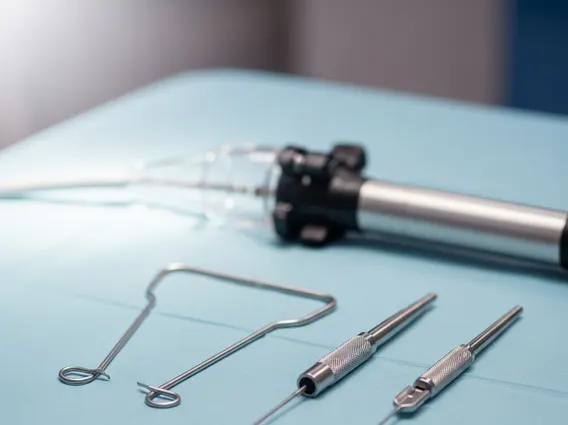
| Endoscopy/Colonoscopy | Direct visualization of internal organ linings. | Gastrointestinal tract inflammation (e.g., colitis). |
Supportive care, including rest, nutritional support, and pain management, is also integral to recovery. In severe cases, or when organ function is critically impaired, more aggressive interventions such as organ-specific therapies or even surgical intervention might be necessary. Regular monitoring is essential to assess treatment effectiveness and adjust therapies as needed.
Organ-Related Inflammation FAQs
Acute organ inflammation is a rapid, short-term response to injury or infection, typically lasting a few days to weeks. It is characterized by immediate immune cell recruitment and aims to eliminate the harmful stimulus and initiate healing. Chronic organ inflammation, conversely, is a prolonged response that can persist for months or years. It involves a continuous cycle of tissue destruction and attempted repair, often leading to fibrosis, scarring, and progressive organ dysfunction. While acute inflammation is generally beneficial, chronic inflammation is often detrimental.
Yes, diet can significantly influence organ inflammation. Certain dietary patterns, such as those high in processed foods, refined sugars, and unhealthy fats, are pro-inflammatory and can exacerbate chronic inflammation throughout the body. Conversely, an anti-inflammatory diet rich in fruits, vegetables, whole grains, lean proteins, and omega-3 fatty acids can help reduce systemic inflammation and support overall organ health. Specific foods like turmeric, ginger, and leafy greens are known for their anti-inflammatory properties, contributing to better immune regulation.
You should seek medical attention if you experience persistent or severe symptoms that could indicate organ inflammation. These include unexplained pain in a specific organ area, persistent fever, unusual swelling, significant fatigue, or any noticeable changes in organ function (e.g., changes in urine, breathing difficulties, digestive issues, or jaundice). Early diagnosis and treatment are crucial to prevent complications and ensure the best possible outcome, especially since some inflammatory conditions can progress rapidly or lead to irreversible damage if left untreated.