Key Takeaways
- Chills are the body’s way of generating heat, often due to infection, but can also occur without fever from stress, medication, or chronic conditions.
- The connection between Chills and Cancer is significant, as chills can be a symptom of the disease itself or a side effect of its treatments.
- Recognizing associated symptoms like high fever, severe pain, or confusion is crucial for determining when to worry about chills and seek medical attention.
- Effective management involves both home remedies for chills, such as warmth and hydration, and medical treatment addressing the root cause.
- Understanding chills in adults requires considering various factors, including environmental, infectious, and systemic causes.
Understanding the Causes of Chills
Chills are essentially involuntary muscle contractions designed to generate heat, a process known as thermogenesis. This response is typically triggered when the body perceives itself to be cold or when its internal temperature regulation system is disrupted. What causes chills? The answer is multifaceted, encompassing a range of physiological and environmental factors.
Chills With and Without Fever
The most common scenario for experiencing chills is alongside a fever, indicating the body’s fight against an infection. When pathogens invade, the immune system releases pyrogens, which elevate the body’s set point temperature in the hypothalamus. The body then perceives itself as being too cold relative to this new, higher set point, leading to shivering and the sensation of chills to raise its temperature. Common culprits include viral infections like the flu or common cold, bacterial infections such as pneumonia or urinary tract infections (UTIs), and other infectious diseases.
However, many individuals experience chills but no fever, which can be perplexing. This phenomenon, often described as chills without being cold, can stem from various non-infectious causes. These include significant stress or anxiety, which can trigger a “fight or flight” response affecting body temperature regulation. Low blood sugar (hypoglycemia) can also induce chills as the body attempts to conserve energy. Certain medications, particularly those affecting the nervous system or metabolism, may list chills as a side effect. Furthermore, conditions like an underactive thyroid (hypothyroidism) can lead to a persistent feeling of coldness and chills due to a slowed metabolism. Understanding chills in adults often requires a comprehensive look at their lifestyle, medical history, and recent exposures.
Common Triggers and Conditions
Beyond infections and fever, several other conditions and triggers can induce chills. Exposure to cold environments, leading to hypothermia, is a direct cause, where the body’s core temperature drops below normal. Anemia, a condition characterized by a lack of healthy red blood cells, can cause chills due to reduced oxygen transport and impaired thermoregulation. Hormonal fluctuations, such as those experienced during menopause or certain phases of the menstrual cycle, can also manifest as chills or hot flashes. In some cases, severe pain or emotional shock can trigger a physiological response that includes shivering and a sensation of cold. According to the World Health Organization (WHO), respiratory infections, a frequent cause of chills, remain a leading cause of illness globally, underscoring the widespread nature of these triggers.
Chills and Cancer: A Critical Overview
The relationship between Chills and Cancer is a significant area of concern, as chills can be both a symptom of the disease itself and a common side effect of cancer treatments. Recognizing this connection is vital for patients and healthcare providers alike.
Cancer-Related Causes of Chills
Chills can manifest in cancer patients for several reasons. The cancer itself can trigger an inflammatory response in the body, leading to the release of cytokines that affect temperature regulation, similar to how infections cause fever. Certain types of cancer, particularly those affecting the blood or immune system like lymphoma or leukemia, are more prone to causing systemic symptoms including chills and night sweats. Furthermore, cancer patients are often immunocompromised, making them more susceptible to infections. Even a minor infection, which a healthy individual might easily fight off, can lead to severe chills and fever in someone with a weakened immune system. Paraneoplastic syndromes, rare conditions triggered by an altered immune response to a tumor, can also cause a variety of symptoms, including chills, without direct tumor invasion of the affected tissue.
Managing Chills During Treatment
Cancer treatments, while life-saving, can also induce chills. Chemotherapy, radiation therapy, and immunotherapy are known to cause side effects that include fever and chills. For instance, some chemotherapy drugs can suppress bone marrow, leading to neutropenia (low white blood cell count), which increases infection risk and subsequent chills. Immunotherapies, designed to stimulate the immune system, can sometimes overactivate it, resulting in flu-like symptoms, including chills. Managing these treatment-related chills often involves supportive care, such as antipyretics for fever, and sometimes specific medications to mitigate the immune response. It is crucial for patients undergoing cancer treatment to report any new or worsening chills to their medical team promptly, as they could indicate an infection requiring immediate attention. The American Cancer Society notes that side effects like chills are common during cancer treatment, affecting a significant percentage of patients, highlighting the importance of proactive management.
Recognizing Chills: Symptoms and Warning Signs
Understanding the characteristics of chills and their accompanying symptoms is essential for proper self-assessment and knowing when to worry about chills. Chills are not always isolated; they often present as part of a broader set of bodily responses.
Key Symptoms to Observe
The primary sensation of chills involves involuntary shivering, goosebumps, and a feeling of being cold, even in a warm environment. This can range from mild shivers to uncontrollable shaking. Beyond this core experience, chills symptoms and remedies often involve observing other concurrent signs. These may include a fever, which is a common companion, but also fatigue, body aches, headaches, and general malaise. The skin might appear pale or clammy, and some individuals may experience rapid breathing or a fast heart rate. It’s important to note the duration and intensity of the chills, as well as any patterns in their occurrence, as these details can provide valuable clues about the underlying cause.
When to Seek Medical Help
While many instances of chills resolve on their own, certain warning signs indicate that medical attention is necessary. You should seek professional medical advice if chills are accompanied by a high fever (above 103°F or 39.4°C), severe pain in any part of the body, difficulty breathing or shortness of breath, confusion or altered mental status, or a stiff neck. Persistent chills that do not improve with home remedies, or chills that recur frequently without an obvious cause, also warrant a doctor’s visit. For individuals with chronic health conditions, a weakened immune system, or those who have recently undergone surgery or traveled internationally, chills should be taken more seriously. Chills following an injury, animal bite, or exposure to a known infectious agent also necessitate prompt medical evaluation to prevent potential complications.
Effective Remedies for Chills Relief
Addressing chills effectively involves both immediate comfort measures and treating the underlying cause. From simple home care to medical interventions, various strategies can provide relief and promote recovery.
Home Care and Self-Management
For mild chills, several home remedies for chills can provide comfort and help the body regulate its temperature. The primary goal is to warm the body and support its natural healing processes. This includes bundling up in warm blankets or extra layers of clothing, taking a warm bath or shower, and drinking warm fluids like herbal tea, broth, or warm water. Staying well-hydrated is crucial, especially if a fever is present, to prevent dehydration. Resting in a comfortable, warm environment allows the body to conserve energy and focus on recovery. Avoiding exposure to cold drafts and ensuring the room temperature is comfortable can also help alleviate the sensation of coldness. While these measures offer symptomatic relief, they do not replace the need to identify and address the root cause of the chills.
Medical Approaches to Treatment
When chills are severe, persistent, or accompanied by concerning symptoms, medical intervention is often required. The medical approach to treating chills focuses on diagnosing and treating the underlying condition. If an infection is suspected, a doctor may prescribe antibiotics for bacterial infections or recommend antiviral medications for certain viral illnesses. Over-the-counter medications like acetaminophen or ibuprofen can help reduce fever and alleviate body aches associated with chills. For chronic conditions that cause chills, such as thyroid disorders or anemia, specific treatments like hormone replacement therapy or iron supplements will be prescribed. In cases where chills are a side effect of medication, a healthcare provider may adjust the dosage or switch to an alternative drug. Always consult a medical professional for a proper diagnosis and treatment plan, especially if chills are recurrent or accompanied by severe symptoms. This comprehensive approach ensures that both the immediate discomfort and the root cause of chills symptoms and remedies are effectively managed.
Chills FAQs
Yes, stress and anxiety can indeed cause chills, often described as chills without being cold. When the body experiences significant stress, it can trigger the “fight or flight” response, leading to a surge of adrenaline. This physiological reaction can affect blood flow and muscle tension, sometimes resulting in shivering or a sensation of coldness, even when the ambient temperature is comfortable. These chills are typically not accompanied by a fever and usually subside once the stressful situation is resolved or anxiety levels decrease. Managing stress through relaxation techniques can help.
Not necessarily. While chills can be a symptom of serious conditions, they are also a common response to minor issues like a common cold, mild fatigue, or even simply being in a cold environment. However, it’s crucial to pay attention to accompanying symptoms. If chills are severe, persistent, or occur with a high fever, severe pain, confusion, or difficulty breathing, these are signs of when to worry about chills and seek immediate medical attention. For individuals with compromised immune systems or chronic illnesses, any chills should be reported to a doctor.
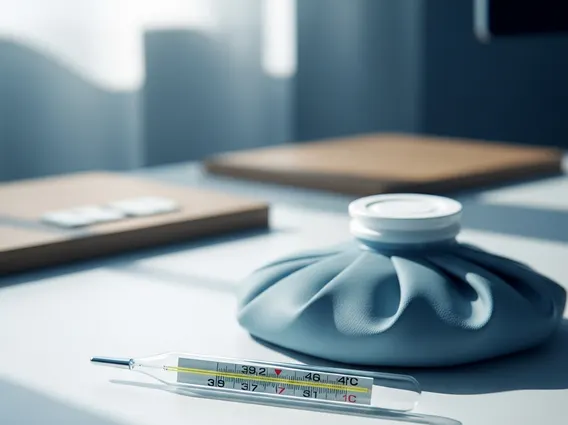
To determine if your chills are related to a fever, the most direct method is to take your temperature with a thermometer. If your temperature is elevated (typically above 100.4°F or 38°C), then your chills are likely part of your body’s response to an infection or inflammation, where it’s trying to raise its core temperature. If you experience chills but your temperature remains normal, then you are experiencing chills but no fever, which could be due to other factors like stress, low blood sugar, or certain medications. Always monitor other symptoms for a clearer picture.