Key Takeaways
- Genetics is the study of inherited traits, with DNA serving as the fundamental blueprint for all life.
- Genes, segments of DNA, are organized into chromosomes and dictate the production of proteins, which carry out most cellular functions.
- Genetic inheritance patterns, such as dominant, recessive, and X-linked traits, explain how characteristics are passed down through generations.
- Mutations, or changes in DNA, are a primary source of genetic variation and can contribute to diseases like cancer.
- The field of genetics has profound implications for medicine, enabling personalized healthcare, and raising important ethical considerations.
Understanding Genetics: The Basics
At its core, what is genetics? It is the branch of biology focused on understanding how characteristics are transmitted from one generation to the next. This fundamental science explains why offspring resemble their parents but are not identical, delving into the molecular mechanisms that govern life’s diversity.
DNA, Genes, and Chromosomes Explained
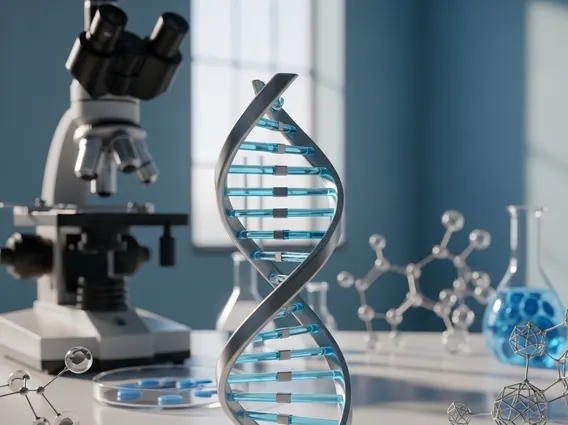
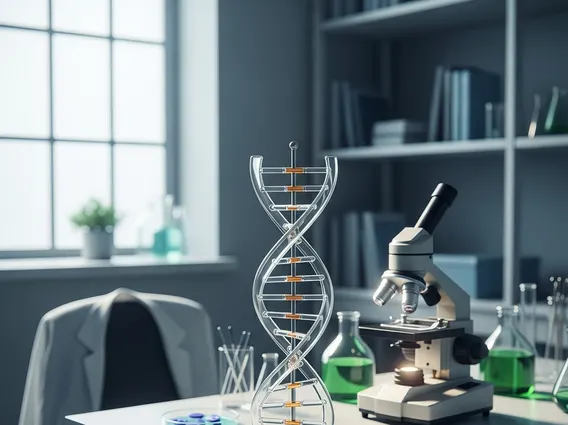
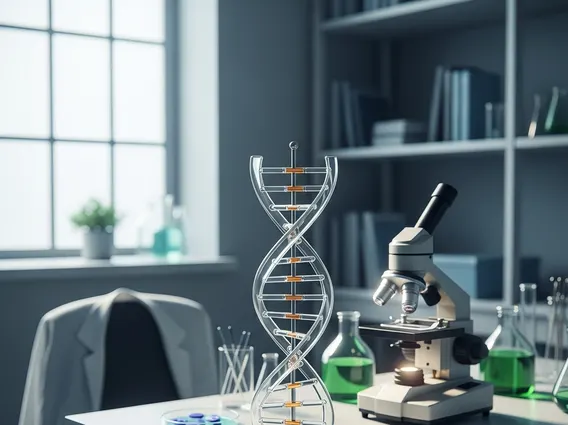
The foundation of heredity lies within DNA (deoxyribonucleic acid), the molecule that carries all genetic instructions for an organism’s development, functioning, growth, and reproduction. The Role of DNA in genetics is paramount; it acts as the master blueprint. Segments of DNA that contain specific instructions for building proteins or regulating other genes are called genes. Humans have tens of thousands of genes, each contributing to various traits.
These genes are organized into structures called chromosomes, which reside within the nucleus of every cell. Humans typically have 23 pairs of chromosomes (46 in total), with one set inherited from each parent. Understanding these components forms the Basics of human genetics, providing a framework for genetics explained for beginners.
How Genetic Information is Inherited
Genetic information is passed from parents to offspring through reproductive cells, known as gametes (sperm and egg). During fertilization, a sperm and an egg fuse, combining their genetic material to form a new individual with a unique combination of genes from both parents. This process ensures genetic continuity while also introducing variation.
Each parent contributes half of their genetic material, meaning offspring inherit two copies of each gene—one from the mother and one from the father. These inherited genes, along with environmental factors, determine an individual’s traits and characteristics. This mechanism is central to understanding how does genetics work? in terms of generational transmission.
The Mechanics of Genetic Expression
Beyond inheritance, genetics also explores how the information encoded in DNA is used to build and operate an organism. This process, known as gene expression, is a sophisticated molecular dance that translates genetic code into functional components.
From DNA to Protein: The Central Dogma
The flow of genetic information typically follows what is known as the central dogma of molecular biology: DNA makes RNA, and RNA makes protein. This explains how does genetics work? at a cellular level. First, a gene’s DNA sequence is transcribed into a messenger RNA (mRNA) molecule. This mRNA then travels out of the nucleus to the ribosomes, where its sequence is translated into a specific sequence of amino acids, forming a protein.
Proteins are the workhorses of the cell, performing a vast array of functions, from catalyzing biochemical reactions and transporting molecules to providing structural support and signaling between cells. The precise sequence of amino acids in a protein, dictated by the gene’s DNA, determines its unique three-dimensional structure and function.
Mutations and Genetic Variation
While DNA replication is remarkably accurate, errors can occur, leading to changes in the DNA sequence known as mutations. Mutations can also be caused by environmental factors like radiation or certain chemicals. These changes can range from a single nucleotide alteration to large-scale chromosomal rearrangements.
Mutations are a primary source of genetic variation within a population, contributing to the diversity of traits observed in species. While some mutations can be harmful, leading to genetic disorders or diseases, others can be neutral or even beneficial, providing the raw material for evolution. Understanding these variations is crucial for comprehending disease susceptibility and population genetics.
Exploring Genetic Inheritance Patterns
The way traits are passed down through families follows predictable genetic inheritance patterns, first described by Gregor Mendel in the 19th century. These patterns help predict the likelihood of offspring inheriting specific characteristics or genetic conditions.
Dominant, Recessive, and X-Linked Traits
Many traits follow Mendelian inheritance, where a single gene determines a characteristic. These include:
- Dominant Traits: Only one copy of a dominant allele is needed for the trait to be expressed. For example, Huntington’s disease is an autosomal dominant condition, meaning a person only needs one copy of the mutated gene to develop the disease.
- Recessive Traits: Two copies of a recessive allele (one from each parent) are required for the trait to be expressed. If an individual inherits only one copy, they are a carrier but typically do not show the trait. Cystic fibrosis is an example of an autosomal recessive disorder.
- X-Linked Traits: Genes located on the X chromosome follow specific inheritance patterns, often affecting males more frequently than females due to males having only one X chromosome. Red-green color blindness and hemophilia are classic examples of X-linked recessive traits.
Complex Inheritance and Polygenic Traits
Many human traits and common diseases do not follow simple Mendelian patterns but are instead influenced by multiple genes and environmental factors. These are known as complex inheritance or polygenic traits.
Examples include height, skin color, intelligence, and susceptibility to conditions like heart disease, diabetes, and asthma. For these traits, the combined effect of several genes, each contributing a small influence, along with lifestyle, diet, and exposure to environmental agents, determines the final phenotype. Studying these complex interactions is a major focus in modern genetic research.
Genetics and Cancer: Unraveling the Connection
The relationship between Genetics and Cancer is profound, as cancer is fundamentally a disease of the genome. It arises from an accumulation of genetic mutations that disrupt normal cell growth and division, leading to uncontrolled proliferation.
Inherited Genetic Predisposition to Cancer
While most cancers are sporadic, a significant minority have an inherited component. Approximately 5-10% of all cancers are considered hereditary, meaning they are caused by germline mutations—genetic changes present in every cell of the body, inherited from a parent. These mutations increase an individual’s lifetime risk of developing certain cancers.
Well-known examples include mutations in the BRCA1 and BRCA2 genes, which significantly increase the risk of breast and ovarian cancers. Other genes, such as MLH1, MSH2, and APC, are associated with hereditary colorectal cancers. Identifying these inherited predispositions allows for proactive screening and prevention strategies. [Source: National Cancer Institute]
Somatic Mutations and Cancer Development
The vast majority of cancers develop from somatic mutations, which are acquired during a person’s lifetime and are present only in certain cells, typically within the tumor itself. These mutations can result from errors during DNA replication, exposure to carcinogens (e.g., tobacco smoke, UV radiation), or chronic inflammation.
Cancer typically involves multiple somatic mutations accumulating over time in key genes that regulate cell growth, division, and death. These include proto-oncogenes (which, when mutated, become oncogenes that promote cell growth) and tumor suppressor genes (which, when inactivated, lose their ability to prevent uncontrolled growth). The sequential accumulation of these mutations drives the progression from normal cells to cancerous tumors.
The Broader Impact of Genetic Science
The rapid advancements in genetic research have revolutionized our understanding of life and hold immense promise for the future, underscoring the profound Importance of genetics in biology and beyond.
Genetics in Medicine and Personalized Healthcare
Genetics has transformed medicine, moving towards a more personalized approach. Genetic testing can diagnose inherited diseases, assess disease risk, and guide treatment decisions. Pharmacogenomics, for instance, uses an individual’s genetic profile to predict their response to specific medications, optimizing drug efficacy and minimizing adverse effects.
Gene therapy, though still evolving, offers the potential to treat genetic disorders by introducing, removing, or altering genetic material within a patient’s cells. These applications are paving the way for truly tailored healthcare, where medical interventions are precisely matched to an individual’s unique genetic makeup.
Ethical Considerations in Genetic Research
As genetic science progresses, it raises critical ethical, legal, and social questions. Issues such as genetic privacy, the potential for genetic discrimination in employment or insurance, and the implications of gene editing technologies (like CRISPR) on human germline cells are subjects of ongoing debate.
Ensuring equitable access to genetic technologies, establishing clear guidelines for informed consent in genetic research, and addressing societal concerns about “designer babies” are paramount. Balancing scientific advancement with ethical responsibility is crucial to harness the full potential of genetics for the benefit of humanity while safeguarding individual rights and societal values.
Genetics FAQs
DNA (deoxyribonucleic acid) is the complete molecular blueprint containing all genetic instructions for an organism. A gene is a specific segment of this DNA molecule. Think of DNA as an entire cookbook, and each gene as a single recipe within that cookbook, providing instructions for a particular protein or functional RNA molecule.
While your fundamental DNA sequence (your genotype) is largely fixed at conception, lifestyle factors can significantly influence how your genes are expressed (your phenotype). This field is called epigenetics. Diet, exercise, stress, and environmental exposures can modify gene activity without changing the underlying DNA sequence, impacting health and disease risk.
Today, genetics is vital in medicine for diagnosing inherited diseases, assessing individual risk for complex conditions like heart disease or cancer, and guiding personalized treatment plans. Genetic testing helps identify specific mutations, while pharmacogenomics informs drug selection and dosage. Gene therapy also offers promising avenues for treating genetic disorders by correcting faulty genes.