Breast Cancer Screening Guidelines: What’s Changed in 2025?
In 2025, changes to the breast cancer screening guidelines are reshaping how women, and their healthcare providers, approach early detection and prevention. With evolving technologies, updated research, and a growing understanding of genetic risks, new recommendations reflect a more personalized and proactive approach.
From adjusting the breast cancer screening age to expanding tools like ultrasound for breast cancer screening, these updates aim to detect cancer earlier and improve outcomes for everyone, especially those in high-risk categories. Whether you’re someone with no family history or you’re wondering, “My mom had breast cancer, when should I get a mammogram?“, staying informed is critical. This breakdown covers what’s new, what remains unchanged, and how to navigate the latest breast cancer screening recommendations for 2025.
Why Breast Cancer Screening Matters Now More Than Ever?
Breast cancer screening matters more than ever because early detection significantly improves treatment success, and the 2025 guidelines promote personalized screening to better identify and manage risk. In 2025, breast cancer is expected to affect over 300,000 women, maintaining its status as a leading cancer among women. Regular screening enables early detection, which is vital for successful breast cancer treatment.
But not all screenings are created equal. Various factors influence how and when someone should be screened, including age, personal risk, and family history. That’s why new breast cancer screening guidelines for 2025 are moving away from a one-size-fits-all model and toward more individualized protocols.
Thanks to advancements in diagnostics and a deeper understanding of cancer risk, the 2025 guidelines include more flexible screening intervals, updated imaging recommendations, and expanded criteria for identifying high-risk individuals. The goal? To make screening smarter—not just more frequent.
What’s Different in the 2025 Breast Cancer Screening Recommendations?
The 2025 guidelines lower screening to age 40, personalize intervals by risk, and add ultrasound and MRI for better detection. In 2025, both ACOG and ACS updated their recommendations with some key changes while maintaining core principles:
Lower Screening Age for Some Groups
One of the most significant updates in 2025 is the lowered breast cancer screening age for average-risk individuals. Both ACOG and ACS now recommend that:
- Women at average risk begin mammograms at age 40 (previously 45 by ACS)
- ACOG breast cancer screening continues annually or biennially through age 74, depending on patient preference and physician guidance
This change was driven by recent studies indicating an increase in early stage breast cancer mammogram findings in women aged 40–44. Detecting cancer early can greatly decrease the need for aggressive treatments and boost survival chances.
Personalized Screening Intervals
The 2025 guidelines encourage personalized screening intervals. Rather than recommending one strict timeline for everyone, clinicians now assess risk factors such as:
- Family history of breast or ovarian cancer
- Genetic mutations (e.g., BRCA1, BRCA2)
- Breast density
- Personal medical history
For example, someone with a family history may begin breast cancer mammogram screening earlier and more frequently. This personalized approach ensures high-risk individuals don’t fall through the cracks while minimizing unnecessary testing for lower-risk patients.
Ultrasound and MRI Integration
Another key update involves the increased use of breast cancer screening and breast MRIs. These tools are now part of routine screening for:
- Women with dense breast tissue, where mammograms may miss small tumors
- Individuals with genetic predisposition or strong family history
- Patients under 40 with concerning symptoms
While mammograms remain the gold standard, combining them with other breast cancer screening tests improves accuracy, especially in those at higher risk.
What Should High-Risk Individuals Know About Breast Cancer Screening?
High-risk individuals with a family history of breast cancer should know that they should generally start screening 10 years before their relatives are diagnosed and can benefit from annual MRIs and genetic counseling as part of their care.
If you’re asking, “My mom had breast cancer—when should I get a mammogram?”, you’re not alone. Family history is a significant predictor of risk, and 2025’s screening for breast cancer ICD 10 guidelines for family history make this clear.
Screening for High-Risk Individuals
The updated high risk breast cancer screening guidelines now include:
- Starting mammograms as early as age 30
- Annual MRIs in addition to mammograms
- Genetic counseling and testing for those with a first-degree relative who had breast cancer
If a close family member was diagnosed before age 50, experts suggest beginning screening 10 years earlier than their age at diagnosis. A family history like a mother’s diagnosis at 45 means screening should start at 35.
Genetic Mutations and Preventive Strategies
Those with BRCA mutations or other genetic markers are also eligible for more intensive monitoring. Beyond imaging, some may consider risk-reducing medications or even preventive surgeries, based on guidance from their care team.
This personalized, risk-based screening approach focuses resources on those who need them most, while avoiding unnecessary tests for low-risk patients.
What Should You Know About Screening Tests Beyond Mammograms?
You should know that breast cancer detection can also include ultrasound, MRI, and clinical breast exams. These tests are used based on individual risk factors like breast density and family history to improve detection while reducing unnecessary testing.
“When people hear ‘breast cancer screening,’ they typically think of mammograms—and for good reason. Breast cancer mammogram technology continues to improve, and 3D mammography (tomosynthesis) is now widely recommended according to breast cancer screening guidelines family history considerations.”
But in 2025, there are now multiple breast cancer screening tests used depending on the individual:
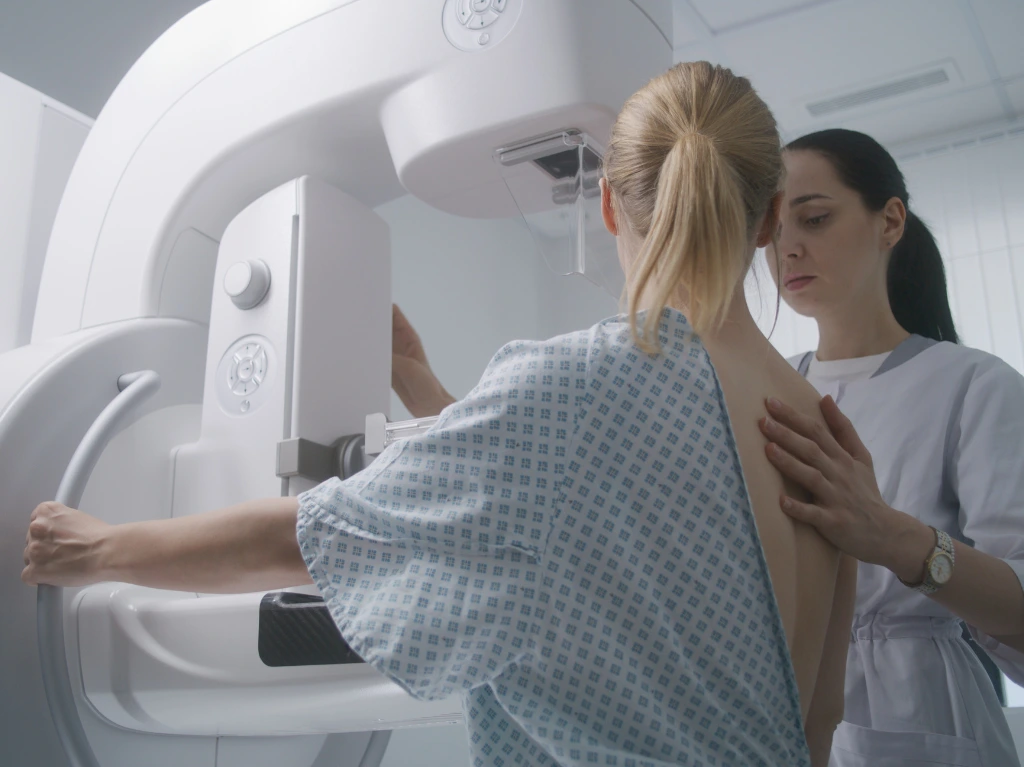
Mammography
- Best for: All women starting at age 40
- Frequency: Every 1–2 years, depending on risk
- Detects: Tumors before they can be felt
Breast Ultrasound
- Best for: Women with dense breasts or symptoms under 40
- Frequency: As needed based on doctor evaluation
- Strength: Useful in differentiating solid tumors from cysts
Breast MRI
- Best for: High-risk individuals
- Frequency: Annual, often paired with mammogram
- Strength: Very sensitive, but can lead to false positives
Clinical Breast Exam
- Best for: Supplement to imaging for all age groups
- Frequency: Every 1–3 years under 40, annually after
- Note: Not a substitute for imaging
The 2025 guidelines place greater emphasis on using the right test at the right time, helping to avoid both over-testing and under-diagnosis.
How Can You Take Action with the 2025 Breast Cancer Screening Guidelines?
Take action by knowing your risk, starting screenings on time, asking about extra tests if needed, and staying informed. Whether you’ve already had multiple screenings or are considering your first mammogram, knowing the current guidelines helps you advocate for your health. Here’s how you can apply the 2025 updates to your personal situation:
- Know Your Risk: Talk to your doctor about your personal and family medical history. Ask whether you fall into a high-risk category and if genetic counseling is appropriate.
- Start Screening on Time: According to ACS breast cancer screening, if you’re 40 or older, you should begin regular screening. If you’re under 40 with risk factors, ask your doctor whether you should start earlier.
- Ask About Additional Testing: If you have dense breasts, don’t hesitate to ask about adding ultrasound or MRI to your routine. These tools can improve detection dramatically.
- Make It Routine: Set reminders for annual screenings and check-ups. Early detection only works if it’s consistent.
- Stay Informed: Breast cancer research is advancing quickly. Keep up with new breast cancer screening technologies and guideline updates through trusted sources like ACOG and ACS.
The breast cancer screening guidelines in 2025 reflect a major shift toward personalized, proactive care. With a lower starting age for mammograms, increased use of advanced imaging like ultrasound and MRI, and better risk assessment tools, women now have more resources than ever to catch cancer early. Pushing boundaries in breast cancer clinical trials has also led to innovations that complement these screening advances, offering new hope through targeted therapies and earlier intervention.
Whether you’re scheduling your first breast cancer mammogram, navigating family risk factors, or supporting a loved one through screening decisions, knowledge is your best defense.
By understanding these new breast cancer screening recommendations, you’re taking a powerful step toward protecting your long-term health—and possibly saving a life. Experience how Massive Bio brings hope by delivering innovative, personalized, and accessible cancer care at every step.