Best Cooking Oils for Cancer Patients
Navigating dietary choices during cancer treatment or for prevention can be complex, and selecting the right cooking oils is a crucial aspect. This article serves as a comprehensive guide to cooking oils for cancer, helping you make informed decisions to support your health journey.
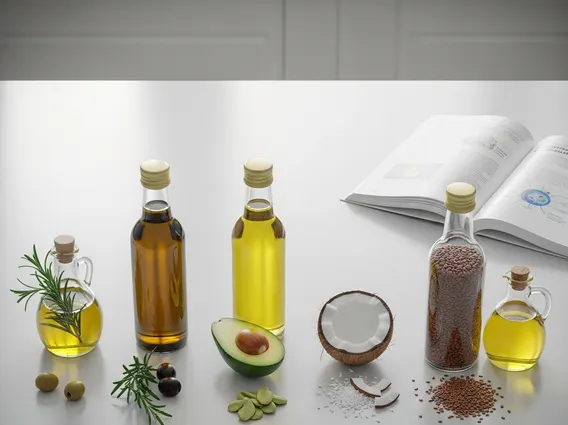
Key Takeaways
- Prioritize monounsaturated and polyunsaturated fats found in oils like extra virgin olive oil and avocado oil for their anti-inflammatory and antioxidant properties.
- Limit or entirely avoid highly processed vegetable oils, trans fats, and artificial additives due to their potential to promote inflammation and oxidative stress.
- Consider the smoke point of an oil when choosing cooking methods to preserve its nutritional integrity and prevent the formation of harmful compounds.
- Integrate omega-3 rich oils into your diet, not just for cooking but also for dressings and supplements, to support overall wellness and potentially aid in cancer prevention.
- Always consult with your healthcare provider or a registered dietitian for personalized dietary advice tailored to your specific condition and treatment plan.
Understanding Oil Choices for Cancer Patients
For individuals facing cancer, every dietary choice holds significance. Cooking oils are not merely a medium for food preparation; they are potent sources of energy, essential fatty acids, and fat-soluble vitamins. The right choices can contribute to reducing inflammation, supporting cellular health, and enhancing overall well-being, making them a vital component of a supportive diet.
Key Nutritional Factors to Consider
When selecting oils, it’s essential to look beyond just calories. Focus on the fatty acid profile, antioxidant content, and anti-inflammatory properties. Nutritional oils for oncology patients should ideally be rich in monounsaturated fatty acids (MUFAs) and omega-3 polyunsaturated fatty acids (PUFAs), which are known for their health benefits. These fats play a critical role in cell membrane integrity, hormone production, and nutrient absorption.
Many oils also contain beneficial compounds like polyphenols, tocopherols (Vitamin E), and carotenoids, which act as antioxidants. These compounds help protect cells from damage caused by free radicals, a process linked to cancer development and progression. Choosing oils with a high concentration of these protective nutrients is a cornerstone of a supportive cancer diet.
Inflammation and Oxidative Stress
Chronic inflammation and oxidative stress are recognized contributors to cancer initiation and progression. Certain dietary fats can either exacerbate or mitigate these processes. Oils rich in omega-6 fatty acids, particularly when consumed in excess and from highly processed sources, can promote inflammation. Conversely, oils high in MUFAs and omega-3s possess anti-inflammatory properties.
For instance, a study published in the journal Nutrients in 2018 highlighted the role of dietary fats in modulating inflammatory pathways, underscoring the importance of balancing omega-3 and omega-6 intake. Therefore, selecting healthy cooking oils for cancer patients that actively reduce inflammation and oxidative stress is a proactive step in managing health during and after treatment.
Best Cooking Oils for Cancer Patients
Identifying the best cooking oils for cancer involves prioritizing those with beneficial fatty acid profiles, antioxidant content, and stability under heat. These oils can be safely incorporated into a cancer-supportive diet.
Olive Oil: A Mediterranean Staple
Extra virgin olive oil (EVOO) is widely celebrated for its health benefits, particularly its role in the Mediterranean diet. It is predominantly composed of monounsaturated fatty acids, primarily oleic acid, which has been linked to reduced inflammation and improved cardiovascular health. EVOO is also rich in polyphenols, powerful antioxidants that contribute to its distinctive flavor and protective qualities.
Research suggests that the regular consumption of olive oil may be associated with a lower risk of certain cancers. For example, a meta-analysis published in the Annals of Oncology in 2011 indicated that olive oil intake was associated with a reduced risk of several cancer types, particularly breast and gastrointestinal cancers. Its robust antioxidant profile makes it one of the most recommended safe cooking oils for cancer patients for low to medium-heat cooking and dressings.
Avocado and Coconut Oil Benefits
Avocado Oil: Similar to olive oil, avocado oil is high in monounsaturated fats and has a very high smoke point, making it suitable for various cooking methods, including high-heat applications like roasting and stir-frying. It also contains vitamin E and other antioxidants. Its neutral flavor makes it versatile for many dishes, offering a healthy and stable option for cooking.
Coconut Oil: Coconut oil contains medium-chain triglycerides (MCTs), which are metabolized differently from other fats and can provide a quick source of energy. While some studies suggest potential benefits, it’s important to note that coconut oil is high in saturated fat. The American Heart Association recommends limiting saturated fat intake. Therefore, while it can be used in moderation, it might not be the primary choice for a best oils for cancer diet compared to olive or avocado oil. Always consider the overall dietary context and consult with a healthcare professional.
Oils to Limit or Avoid During Treatment
Just as some oils offer significant benefits, others can potentially undermine health, especially for cancer patients. Understanding which oils to limit or avoid is crucial for a supportive diet.
Highly Processed Vegetable Oils
Many common vegetable oils, such as soybean oil, corn oil, sunflower oil, and cottonseed oil, are often highly processed. These oils typically undergo extensive refining, bleaching, and deodorizing processes that can strip away beneficial nutrients and create harmful compounds. They are also generally high in omega-6 polyunsaturated fatty acids.
While omega-6s are essential, an imbalance with omega-3s (a high omega-6 to omega-3 ratio) can promote inflammation in the body. This imbalance is a concern for cancer patients, as chronic inflammation can fuel disease progression. Therefore, these highly processed oils are often considered harmful cooking oils for cancer and should be consumed sparingly or avoided.
Trans Fats and Artificial Additives
Trans fats are a type of unsaturated fat that can be naturally occurring in small amounts but are predominantly artificially created through a process called hydrogenation. These artificial trans fats are found in many processed foods, fried items, and some margarines. They are widely recognized as detrimental to health, increasing the risk of heart disease and inflammation.
The World Health Organization (WHO) recommends eliminating industrially produced trans fats from the global food supply due to their severe health risks. For cancer patients, avoiding trans fats is paramount, as they can exacerbate inflammation and contribute to cellular damage. Similarly, artificial additives found in some oil blends or processed foods offer no nutritional value and should be avoided to minimize exposure to potentially harmful chemicals.
Cooking Methods and Oil Stability
The way you cook with oils significantly impacts their nutritional integrity and safety. Different oils react differently to heat, and understanding these reactions is key to healthy cooking.
Understanding Smoke Points
An oil’s smoke point is the temperature at which it begins to break down and produce smoke. When an oil reaches its smoke point, it starts to oxidize and release free radicals and other harmful compounds, including acrolein, which can be irritating and potentially carcinogenic. Using an oil above its smoke point not only degrades its flavor but also diminishes its health benefits and can create toxic byproducts.
For high-heat cooking methods like frying, roasting, or grilling, choose oils with a high smoke point, such as avocado oil (around 520°F or 270°C) or refined olive oil (around 465°F or 240°C). For lower-heat cooking or dressings, oils with lower smoke points, like extra virgin olive oil (around 375°F or 190°C), are excellent choices.
| Oil Type | Approximate Smoke Point (°F / °C) | Best Use |
|---|---|---|
| Extra Virgin Olive Oil | 375°F / 190°C | Dressings, low-heat sautéing, finishing |
| Avocado Oil | 520°F / 270°C | High-heat frying, roasting, grilling |
| Refined Olive Oil | 465°F / 240°C | Sautéing, baking, roasting |
| Coconut Oil (Refined) | 400°F / 204°C | Medium-heat cooking, baking |
| Flaxseed Oil | 225°F / 107°C | Dressings, no-heat applications |
Raw vs. Heated Oil Applications
Some oils are best consumed raw to preserve their delicate nutrients and beneficial compounds. For example, extra virgin olive oil, with its rich polyphenol content, is ideal for salad dressings, drizzling over cooked vegetables, or dipping bread. Heating EVOO excessively can degrade some of these heat-sensitive compounds, although it remains a healthy option for moderate cooking.
Oils rich in omega-3 fatty acids, such as flaxseed oil, are particularly susceptible to oxidation when heated. These oils are best used in raw applications like smoothies, salad dressings, or as a supplement. Understanding this distinction allows for optimal utilization of the health benefits each oil offers, ensuring you get the most out of your chosen fats.
Oils for Cancer Prevention and Long-Term Wellness
Beyond active treatment, incorporating beneficial oils into your diet plays a crucial role in long-term wellness and cancer prevention. A focus on anti-inflammatory and antioxidant-rich fats can contribute significantly to overall health.
Omega-3 Rich Oils and Their Role
Omega-3 fatty acids, particularly EPA (eicosapentaenoic acid) and DHA (docosahexaenoic acid), are renowned for their powerful anti-inflammatory effects. These essential fats are vital for brain health, heart health, and immune function, and research suggests they may play a role in inhibiting cancer cell growth and reducing metastasis. While fatty fish are the primary dietary source of EPA and DHA, certain plant-based oils provide ALA (alpha-linolenic acid), which the body can convert into EPA and DHA.
Flaxseed oil and chia seed oil are excellent sources of ALA. However, their low smoke points mean they are not suitable for cooking and should be used in raw applications. Algal oil is a plant-based source of preformed DHA and sometimes EPA, making it a valuable option for vegetarians and vegans. Including these omega-3 rich oils is a key strategy for cooking oils for cancer prevention and maintaining a healthy inflammatory balance.
Integrating Healthy Fats into Your Diet
Building a best oils for cancer diet involves a holistic approach to fat intake. It’s not just about avoiding harmful fats but actively incorporating beneficial ones. Here are some practical tips:
- Use extra virgin olive oil generously for salad dressings, dips, and finishing dishes.
- Opt for avocado oil for high-heat cooking due to its stability and neutral flavor.
- Incorporate flaxseed oil or chia seed oil into smoothies, yogurts, or oatmeal for an omega-3 boost (do not heat).
- Snack on nuts and seeds (almonds, walnuts, chia seeds) which provide healthy fats and fiber.
- Choose lean protein sources and healthy fats to create balanced meals that support energy levels and nutrient absorption.
By making conscious choices about your cooking oils, you can significantly enhance your nutritional intake and support your body’s resilience during and after cancer treatment.
Frequently Asked Questions
Are there any specific oils that can directly fight cancer?
While no single oil can directly “fight” cancer, certain oils contain compounds that may support the body’s defenses against cancer progression. Extra virgin olive oil, for instance, is rich in polyphenols and monounsaturated fats, which have anti-inflammatory and antioxidant properties. Omega-3 rich oils like flaxseed oil also contribute to reducing inflammation. These oils are part of a broader healthy diet that supports overall well-being and may help create an environment less conducive to cancer growth, but they are not a cure.
How much healthy oil should a cancer patient consume daily?
The optimal amount of healthy oil can vary based on individual nutritional needs, treatment plans, and overall dietary goals. Generally, incorporating 2-4 tablespoons of healthy fats daily, primarily from sources like olive oil, avocado oil, and nuts/seeds, is a good starting point. It’s crucial to balance fat intake with other macronutrients and consult with a registered dietitian or oncologist to receive personalized recommendations tailored to your specific health status and energy requirements.
Can I use butter or ghee instead of oils?
Butter and ghee are dairy fats primarily composed of saturated fat. While they can be used in moderation, especially for flavor, they are not typically recommended as primary cooking fats for cancer patients due to their saturated fat content. The focus for a cancer-supportive diet is generally on unsaturated fats (monounsaturated and polyunsaturated) found in oils like olive and avocado. If you choose to use butter or ghee, opt for grass-fed varieties and use them sparingly, prioritizing plant-based oils for most cooking needs.
Disclaimer: The information provided in this article is for educational purposes only and is not intended as medical advice. Always consult with a qualified healthcare professional or registered dietitian for personalized dietary recommendations, especially when managing a health condition like cancer. This information is supportive only and does not replace medical treatment.