
Anti-Inflammatory Diet Shopping List for Cancer Recovery
Navigating cancer recovery often involves a holistic approach, where nutrition plays a pivotal role. An anti-inflammatory diet can significantly support the body’s healing process, reduce treatment side effects, and promote overall well-being.
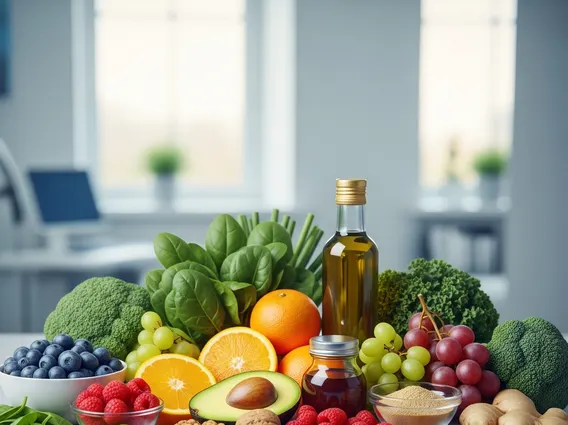
Key Takeaways
- Prioritize a diverse range of colorful fruits and vegetables for their antioxidant and anti-inflammatory properties.
- Incorporate lean protein sources like fatty fish, poultry, and legumes, alongside healthy fats from avocados, nuts, and olive oil.
- Stock your pantry with whole grains, legumes, and a variety of herbs and spices known for their anti-inflammatory benefits.
- Focus on hydration with water and antioxidant-rich beverages, and choose nutrient-dense snacks to support energy levels.
- Plan your meals and read food labels carefully to avoid processed ingredients that can trigger inflammation.
Your Anti-Inflammatory Shopping List for Cancer
Building a robust anti inflammatory shopping list cancer recovery requires focusing on whole, unprocessed foods that actively combat inflammation. This comprehensive list will guide you in selecting nutrient-dense options to support your body’s healing journey.
Essential Produce: Fruits & Vegetables
Fruits and vegetables are cornerstones of any healthy eating plan, especially when creating anti-inflammatory foods for cancer recovery. They are packed with vitamins, minerals, fiber, and potent antioxidants that help neutralize free radicals and reduce inflammation. Aim for a wide variety of colors to ensure a broad spectrum of beneficial compounds.
| Category | Examples | Key Benefits |
|---|---|---|
| Berries | Blueberries, strawberries, raspberries, blackberries | Rich in anthocyanins, powerful antioxidants that reduce inflammation. |
| Leafy Greens | Spinach, kale, collard greens, Swiss chard | High in vitamins A, C, K, and folate, plus various phytochemicals. |
| Cruciferous Vegetables | Broccoli, cauliflower, Brussels sprouts, cabbage | Contain sulforaphane and indoles, known for their anti-cancer properties. |
| Other Vegetables | Bell peppers, tomatoes, carrots, sweet potatoes, onions, garlic | Provide carotenoids, lycopene, and allicin, contributing to overall immune health. |
| Citrus Fruits | Oranges, lemons, grapefruits | Excellent source of Vitamin C, an important antioxidant. |
According to the World Health Organization (WHO), a diet rich in fruits and vegetables is crucial for preventing chronic diseases, including certain cancers, due to their protective effects against cellular damage and inflammation.
Lean Proteins & Healthy Fats
Protein is vital for tissue repair and immune function, especially during cancer recovery. Opt for lean sources that are less likely to promote inflammation. Healthy fats are equally important, providing essential fatty acids that actively contribute to reducing inflammatory responses in the body. These are key components for a comprehensive cancer recovery diet shopping list.
- Lean Proteins:
- Fatty Fish: Salmon, mackerel, sardines, and trout are excellent sources of omega-3 fatty acids (EPA and DHA), which are potent anti-inflammatory agents. Aim for 2-3 servings per week.
- Poultry: Skinless chicken and turkey breast provide lean protein without excessive saturated fat.
- Legumes: Lentils, beans (black, kidney, pinto), and chickpeas are plant-based protein powerhouses, also rich in fiber and various minerals.
- Eggs: A complete protein source, versatile and easy to digest for many.
- Healthy Fats:
- Avocados: Rich in monounsaturated fats, fiber, and potassium.
- Nuts & Seeds: Almonds, walnuts, chia seeds, flaxseeds, and hemp seeds offer omega-3s, fiber, and antioxidants. Walnuts, in particular, are noted for their high alpha-linolenic acid (ALA) content.
- Olive Oil: Extra virgin olive oil, a staple of the Mediterranean diet, contains oleocanthal, which has anti-inflammatory effects similar to ibuprofen.
Pantry Staples for Cancer Recovery Diet
Stocking your pantry with the right staples ensures you always have the ingredients on hand for nutrient-rich, anti-inflammatory meals. These items form the backbone of a sustainable healthy grocery list for cancer patients, making meal preparation simpler and more efficient.
Whole Grains & Legumes
Whole grains and legumes are fundamental for a cancer fighting anti-inflammatory groceries list. They provide sustained energy, essential fiber, and a host of micronutrients. The fiber content supports gut health, which is intrinsically linked to immune function and inflammation regulation.
- Whole Grains:
- Oats: Rolled or steel-cut oats are excellent for breakfast, providing soluble fiber (beta-glucan) that can help reduce cholesterol and inflammation.
- Quinoa: A complete protein and gluten-free grain, rich in fiber, iron, and magnesium.
- Brown Rice: A healthier alternative to white rice, offering more fiber and nutrients.
- Whole Wheat Pasta/Bread: Choose 100% whole wheat options for increased fiber and nutrient density.
- Legumes:
- Lentils: Versatile and quick-cooking, high in protein and fiber.
- Beans: Black beans, kidney beans, cannellini beans – excellent for soups, stews, and salads.
- Chickpeas: Great for hummus, roasted snacks, or added to curries.
Herbs, Spices, & Condiments
Don’t underestimate the power of herbs and spices in your anti-inflammatory meal prep cancer strategy. Many common kitchen spices possess potent anti-inflammatory and antioxidant properties, enhancing flavor without adding unhealthy ingredients. They are critical for making foods to reduce inflammation after cancer both effective and delicious.
- Anti-Inflammatory Herbs & Spices:
- Turmeric: Contains curcumin, a powerful anti-inflammatory compound. Best absorbed with black pepper.
- Ginger: Known for its anti-nausea and anti-inflammatory effects, beneficial for digestive comfort.
- Garlic: Contains allicin, which has immune-boosting and anti-inflammatory properties.
- Cinnamon: Helps regulate blood sugar and has antioxidant benefits.
- Oregano & Rosemary: Rich in antioxidants and provide distinct flavor profiles.
- Healthy Condiments:
- Apple Cider Vinegar: Can aid digestion and has some anti-inflammatory properties.
- Mustard: Choose varieties with minimal added sugar and artificial ingredients.
- Nutritional Yeast: A good source of B vitamins, can add a cheesy flavor to dishes.
Foods to Reduce Inflammation After Cancer
Beyond the core ingredients, consider specific categories of food and drink that actively contribute to reducing inflammation and supporting overall recovery. These choices are integral to a holistic approach to nutrition during and after cancer treatment.
Anti-Inflammatory Beverages
Hydration is crucial for recovery, and certain beverages can also contribute to reducing inflammation. Making smart drink choices is an easy way to incorporate more beneficial compounds into your daily routine and is an important part of understanding what to buy for anti-inflammatory diet cancer.
- Water: The most essential beverage. Aim for adequate intake throughout the day to support cellular function and detoxification.
- Green Tea: Rich in catechins, particularly epigallocatechin gallate (EGCG), a powerful antioxidant with anti-inflammatory effects.
- Herbal Teas: Chamomile, peppermint, and ginger teas can offer soothing and anti-inflammatory benefits.
- Unsweetened Plant Milks: Almond, soy, or oat milk (ensure no added sugars) can be good alternatives to dairy for some individuals.
- Coffee (in moderation): Contains antioxidants, but individual tolerance varies.
Avoid sugary sodas, fruit juices with added sugar, and excessive alcohol, as these can promote inflammation and hinder recovery.
Smart Snacking Options
Snacks can be an important part of maintaining energy levels and nutrient intake, especially when appetite might be fluctuating. Choosing smart, anti-inflammatory snacks helps to keep your body nourished and supports the healing process without introducing inflammatory triggers.
- Nuts and Seeds: A handful of almonds, walnuts, or pumpkin seeds provides healthy fats, protein, and fiber.
- Fresh Fruit: Apples, bananas, pears, or a small bowl of berries are excellent choices.
- Vegetable Sticks with Hummus: Carrots, celery, and bell pepper strips with homemade or low-sodium hummus.
- Greek Yogurt (plain, unsweetened): Provides protein and probiotics, beneficial for gut health. Add a few berries for natural sweetness.
- Hard-Boiled Eggs: A convenient source of protein.
These options are not only convenient but also contribute to your overall intake of cancer fighting anti-inflammatory groceries, ensuring your body receives continuous support.
Tips for Your Healthy Grocery List for Cancer
Beyond selecting the right foods, how you approach shopping and meal preparation can significantly impact the success of your anti-inflammatory diet. These practical tips will help you navigate the grocery store and maintain a consistent, healthy eating pattern.
Reading Labels & Avoiding Triggers
Becoming a savvy label reader is crucial for maintaining a truly anti-inflammatory diet. Many processed foods contain hidden ingredients that can promote inflammation, undermining your efforts. When creating your anti inflammatory shopping list cancer recovery, always check ingredient lists.
- Identify Added Sugars: Look for ingredients like high-fructose corn syrup, sucrose, dextrose, and other forms of sugar that contribute to inflammation.
- Beware of Unhealthy Fats: Avoid trans fats (partially hydrogenated oils) and limit excessive saturated fats. Opt for foods made with olive oil, avocado oil, or other healthy fats.
- Artificial Additives: Minimize artificial colors, flavors, and preservatives, which can sometimes trigger sensitivities and inflammation.
- Sodium Content: High sodium intake can contribute to fluid retention and potentially impact blood pressure. Choose low-sodium versions where available.
Focus on products with short ingredient lists, primarily featuring whole, recognizable foods. This approach ensures your healthy grocery list for cancer patients truly supports your recovery goals.
Budgeting & Meal Planning
Adopting an anti-inflammatory diet doesn’t have to be expensive or overwhelming. Strategic planning and budgeting can make healthy eating accessible and sustainable. This is where effective anti-inflammatory meal prep cancer strategies come into play.
- Plan Your Meals: Before you shop, plan your meals for the week. This helps you buy only what you need, reducing waste and impulse purchases.
- Shop Seasonally: Fruits and vegetables are often more affordable and tastier when they are in season.
- Buy in Bulk: Non-perishable items like whole grains, legumes, nuts, and spices can often be bought in larger quantities at a lower unit price.
- Cook at Home: Preparing meals at home gives you full control over ingredients, allowing you to avoid inflammatory additives common in restaurant or pre-made foods.
- Batch Cooking: Dedicate a few hours once or twice a week to cook larger portions of grains, roasted vegetables, or lean proteins. This makes assembling quick, healthy meals throughout the week much easier.
By integrating these tips, you can ensure your cancer recovery diet shopping list is not only effective but also manageable and budget-friendly.
Frequently Asked Questions
Why is an anti-inflammatory diet important for cancer recovery?
An anti-inflammatory diet is crucial for cancer recovery because chronic inflammation can hinder healing, contribute to fatigue, and potentially promote cancer recurrence. By focusing on foods rich in antioxidants and anti-inflammatory compounds, this diet helps to reduce systemic inflammation, support immune function, and mitigate treatment side effects. It creates an optimal internal environment for the body to heal and regain strength, improving overall well-being during a vulnerable period.
Can I still enjoy my favorite foods on this diet?
While an anti-inflammatory diet emphasizes whole, unprocessed foods, it doesn’t mean completely abandoning all your favorites. The goal is often to find healthier alternatives or enjoy less beneficial foods in moderation. For instance, you can adapt recipes by substituting inflammatory ingredients with anti-inflammatory ones, like using whole-wheat pasta instead of refined, or incorporating more vegetables into a dish. This approach promotes sustainable dietary changes rather than strict deprivation, making the diet more enjoyable and easier to maintain long-term.
How do I start incorporating these foods into my routine?
Begin by making small, manageable changes. Start by adding one new anti-inflammatory food to your plate each day, such as a handful of berries at breakfast or a side of leafy greens with dinner. Gradually replace processed snacks with healthy options like nuts or fruit. Plan your meals weekly, focusing on the core components of your anti-inflammatory shopping list. Experiment with new recipes using anti-inflammatory herbs and spices. Consistency over perfection is key to successfully integrating these beneficial foods into your daily routine.
Disclaimer: The information provided in this article is for educational purposes only and is not intended as medical advice. Always consult with your healthcare provider or a registered dietitian before making significant changes to your diet, especially during cancer recovery. This information is supportive and does not replace professional medical treatment.



