Reflexology
Reflexology is a complementary health practice that involves applying pressure to specific points on the feet, hands, or ears. This ancient technique aims to promote relaxation and well-being throughout the body.
Key Takeaways
- Reflexology is a non-invasive complementary therapy focusing on pressure points.
- It is based on the principle that specific areas on the feet, hands, and ears correspond to organs and systems in the body.
- Practitioners use various techniques to stimulate these reflex points, aiming to restore balance.
- Potential benefits often reported include stress reduction, improved circulation, and pain relief.
- While generally safe, it should not replace conventional medical treatment for any health condition.
What is Reflexology?
Reflexology is a holistic complementary therapy rooted in the belief that specific areas on the feet, hands, and ears are connected to various organs, glands, and body parts through energy pathways. By applying targeted pressure to these reflex points, practitioners aim to stimulate the body’s natural healing processes and restore balance. This practice has been utilized for thousands of years, with roots in ancient Egyptian, Chinese, and Indian cultures, evolving into the modern form recognized today.
Unlike massage, which typically involves manipulating muscles and soft tissues, Reflexology focuses on precise pressure points. It is often sought for its relaxing effects and as a way to support overall well-being. The therapy is non-invasive and can be adapted to suit individuals of all ages, making it a widely accessible option for those exploring complementary health approaches.
How Reflexology Works: Principles and Key Zones
The underlying principle of Reflexology suggests that the body is divided into ten longitudinal zones, running from the head to the toes. Each zone contains specific reflex points that correspond to different parts of the body within that zone. When a practitioner applies pressure to a particular reflex point, it is believed to send a signal along nerve pathways to the corresponding organ or system, promoting a physiological response.
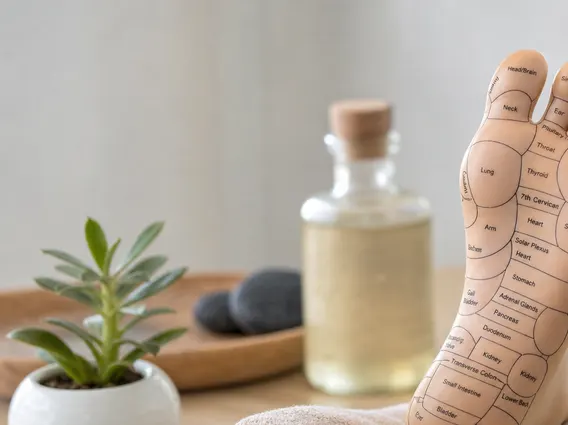
During a session, a trained reflexologist uses their thumbs, fingers, and hands to apply varying degrees of pressure to these zones. While all areas can be worked, the most common focus is on the feet due to their larger surface area and numerous nerve endings. The concept of **reflexology points on feet** is central to the practice, with detailed maps illustrating which areas on the sole, top, and sides of the foot relate to specific body parts, such as the spine, digestive system, or head. For instance, the tips of the toes often correspond to the head and brain, while the ball of the foot might relate to the chest and lungs.
The pressure applied is intended to break up blockages in the energy pathways, improve circulation, and encourage the release of tension. While the exact physiological mechanisms are still subjects of ongoing research, many theories suggest that Reflexology may work by stimulating nerve endings, reducing stress hormones, or influencing the central nervous system to induce relaxation.
Potential Benefits of Reflexology
Individuals often seek Reflexology for a variety of reasons, reporting several potential benefits following regular sessions. While scientific evidence supporting these claims is still developing, many people experience positive outcomes, primarily related to relaxation and stress reduction. It is important to note that individual experiences can vary significantly.
Some commonly reported potential benefits include:
- Stress and Anxiety Reduction: Many recipients find Reflexology deeply relaxing, which can help alleviate symptoms of stress and anxiety.
- Improved Circulation: The manipulation of reflex points is thought to enhance blood flow, which can contribute to better oxygen and nutrient delivery throughout the body.
- Pain Management: Some individuals report a reduction in pain, particularly for conditions like headaches, back pain, or menstrual discomfort.
- Enhanced Mood and Sleep Quality: By promoting relaxation, Reflexology may help improve overall mood and address sleep disturbances.
- Support for General Well-being: It can be used as a complementary approach to support the body’s natural healing processes and maintain overall health.
It is crucial to understand that Reflexology is a complementary therapy and should not be considered a substitute for conventional medical diagnosis or treatment. Always consult with a qualified healthcare professional for any health concerns or before making any decisions about your health or treatment plan. This information is for supportive purposes only and does not replace professional medical advice, diagnosis, or treatment.