NF2
Neurofibromatosis Type 2 (NF2) is a rare genetic disorder characterized by the development of tumors, primarily affecting the nervous system. Understanding this condition is crucial for early diagnosis and effective management.

Key Takeaways
- NF2 is a genetic disorder causing benign tumors, most notably on the nerves of the inner ear.
- Common symptoms include progressive hearing loss, balance issues, and sometimes vision problems or skin lesions.
- It is caused by a mutation in the NF2 gene, which can be inherited or occur spontaneously.
- Diagnosis typically involves MRI scans and genetic testing.
- Treatment focuses on managing symptoms and tumors through monitoring, surgery, and targeted therapies, with ongoing research exploring new options.
What is NF2 (Neurofibromatosis Type 2)?
Neurofibromatosis Type 2 (NF2) is a rare, inherited genetic condition that primarily leads to the growth of non-cancerous (benign) tumors in the nervous system. These tumors, known as schwannomas, develop on nerves, most commonly affecting the vestibular nerves that transmit sound and balance information from the inner ear to the brain. These specific tumors are called vestibular schwannomas, also known as acoustic neuromas, and are a hallmark of the condition. According to medical research, NF2 affects approximately 1 in 25,000 to 1 in 40,000 individuals worldwide, making it a significant focus for genetic and neurological studies.
The presence of these tumors can lead to a range of neurological problems, depending on their location and size. While benign, they can cause significant health issues by pressing on nerves and brain structures. Beyond vestibular schwannomas, individuals with NF2 may also develop schwannomas on other cranial or spinal nerves, meningiomas (tumors of the membranes surrounding the brain and spinal cord), and ependymomas (tumors of the spinal cord).
NF2 Symptoms and Diagnosis
The presentation of NF2 symptoms and diagnosis can vary widely among individuals, but common signs often relate to the growth of vestibular schwannomas. Symptoms typically begin in late adolescence or early adulthood, although they can manifest at any age. Progressive hearing loss is one of the most frequent initial symptoms, often accompanied by tinnitus (ringing in the ears) and balance difficulties.
Other potential symptoms of NF2 may include:
- Vision problems due to cataracts or optic nerve tumors.
- Facial weakness or numbness from cranial nerve involvement.
- Skin lesions, such as slightly raised, pigmented patches or small, firm nodules (cutaneous schwannomas).
- Pain, weakness, or numbness in the limbs due to spinal cord tumors.
- Seizures, though less common, can occur if tumors affect the brain directly.
Diagnosis of NF2 typically involves a combination of clinical evaluation, imaging studies, and genetic testing. Magnetic Resonance Imaging (MRI) of the brain and spine is crucial for identifying tumors, particularly vestibular schwannomas. Genetic testing can confirm a mutation in the NF2 gene, which is definitive for diagnosis, especially in individuals with atypical presentations or for family planning purposes.
Causes and Treatment of NF2
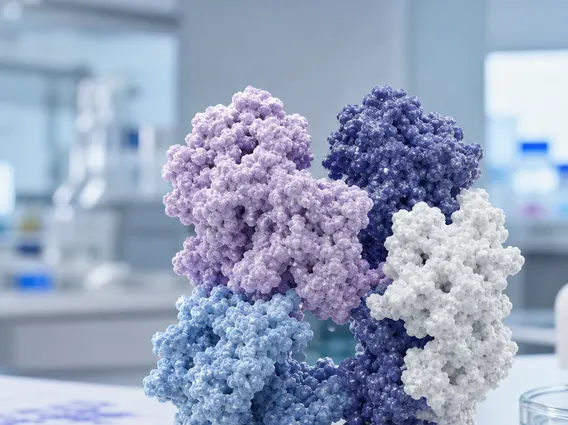
The primary causes of NF2 genetic disorder lie in a mutation of the NF2 gene, located on chromosome 22. This gene is responsible for producing a protein called merlin (also known as schwannomin), which acts as a tumor suppressor. When the NF2 gene is mutated, the merlin protein is either non-functional or absent, leading to uncontrolled cell growth and the formation of tumors. Approximately half of NF2 cases are inherited from a parent with the condition (autosomal dominant inheritance), while the other half result from a spontaneous new mutation in the gene.
Currently, there is no cure for NF2, so NF2 treatment options and research focus on managing symptoms, preventing complications, and controlling tumor growth. Treatment strategies are highly individualized and often involve a multidisciplinary team of specialists. Regular monitoring with MRI scans is essential to track tumor progression. Surgical removal of tumors is a common approach, particularly for vestibular schwannomas that are causing significant symptoms or are growing rapidly. Radiation therapy, such as stereotactic radiosurgery, may also be used to control tumor growth, especially for smaller tumors or when surgery is not feasible.
In recent years, targeted drug therapies have emerged as promising avenues. For instance, some individuals may benefit from medications like bevacizumab, which targets blood vessel growth within tumors. Ongoing research continues to explore new therapeutic agents and genetic approaches to better understand and treat NF2, aiming to improve the quality of life for affected individuals.