Neurosurgeon
A Neurosurgeon is a highly specialized medical doctor who diagnoses and treats conditions affecting the brain, spinal cord, and peripheral nerves. Their expertise encompasses a wide range of neurological disorders, from congenital defects and traumatic injuries to degenerative diseases and tumors, requiring profound knowledge and surgical precision.
Key Takeaways
- Neurosurgeons are medical specialists focused on the surgical treatment of disorders within the central and peripheral nervous systems.
- Their role involves comprehensive patient evaluation, complex surgical intervention, and post-operative care for conditions affecting the brain and spine.
- The path to becoming a neurosurgeon is exceptionally long and demanding, typically requiring over a decade of post-graduate medical training.
- Common neurosurgical procedures include operations for brain tumors, spinal disc issues, and cerebrovascular conditions like aneurysms.
What is a Neurosurgeon?
A Neurosurgeon is a physician who specializes in the diagnosis and surgical treatment of disorders of the central and peripheral nervous system, including the brain, spinal cord, and peripheral nerves. This demanding medical specialty requires extensive training and unparalleled precision, as it deals with some of the most critical and delicate structures in the human body. These specialists are crucial in managing a wide array of conditions that can severely impact a patient’s quality of life, neurological function, and even be life-threatening.
What Does a Neurosurgeon Do?
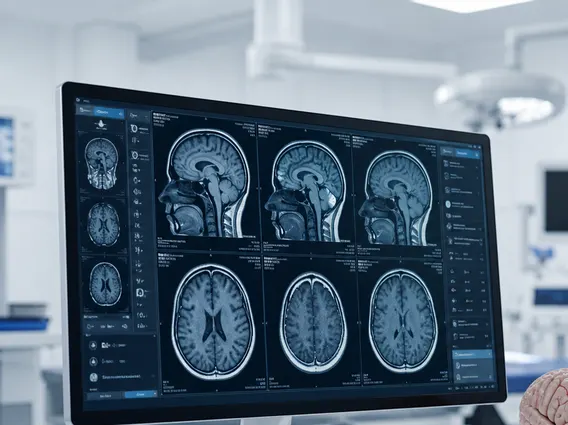
The scope of practice for a neurosurgeon is exceptionally broad, encompassing both surgical and non-surgical management of neurological conditions. A comprehensive Neurosurgeon job description involves evaluating patients through detailed physical examinations, interpreting advanced diagnostic imaging (such as MRI, CT scans, and angiograms), formulating precise treatment plans, performing intricate surgical procedures, and providing meticulous post-operative care. They collaborate closely with a multidisciplinary team of medical professionals, including neurologists, oncologists, radiologists, and rehabilitation therapists, to ensure comprehensive and integrated patient care.
Neurosurgeons treat a vast spectrum of conditions, which include:
- Brain tumors (both benign and malignant, requiring precise removal)
- Spinal disorders (e.g., herniated discs, spinal stenosis, scoliosis, spinal cord injuries, and tumors)
- Cerebrovascular conditions (e.g., aneurysms, arteriovenous malformations, stroke management)
- Peripheral nerve disorders (e.g., carpal tunnel syndrome, ulnar nerve entrapment, nerve repair)
- Traumatic injuries to the brain and spine (e.g., hematomas, fractures)
- Hydrocephalus and other cerebrospinal fluid dynamics disorders
- Functional neurosurgery for conditions like epilepsy, Parkinson’s disease, and chronic pain.
Some Neurosurgeon common procedures include craniotomy for tumor resection or aneurysm clipping, spinal fusion, laminectomy, discectomy, deep brain stimulation (DBS), and minimally invasive endoscopic procedures. For instance, according to the American Association of Neurological Surgeons (AANS), spinal surgeries, such as discectomies and fusions, are among the most frequently performed neurosurgical procedures, addressing debilitating back and neck conditions that significantly affect patient mobility and comfort.
How to Become a Neurosurgeon
Becoming a neurosurgeon is widely recognized as one of the most rigorous and lengthy educational paths in medicine, typically spanning over a decade after the completion of undergraduate studies. The journey demands exceptional academic performance, unwavering dedication, and profound resilience, preparing individuals for a career of immense responsibility.
The general steps involved are:
- Undergraduate Education: A four-year bachelor’s degree is required, often in a science-related field such as biology, chemistry, or pre-medical studies, maintaining a consistently strong academic record.
- Medical School: Four years of intensive medical school, culminating in a Doctor of Medicine (MD) or Doctor of Osteopathic Medicine (DO) degree. This phase includes foundational science coursework and extensive clinical rotations across various specialties.
- Neurosurgery Residency: This is a highly competitive and demanding residency program, typically lasting 7 years. It involves comprehensive training in neurological diagnosis, advanced surgical techniques, and critical patient management. Residents gain extensive hands-on experience in operating rooms and clinics under the direct supervision of experienced neurosurgeons.
- Fellowship (Optional but Common): Many aspiring neurosurgeons opt for an additional 1-2 year fellowship to specialize further in a niche subfield such as pediatric neurosurgery, complex spine surgery, cerebrovascular neurosurgery, neuro-oncology, or functional neurosurgery.
- Board Certification: Upon successful completion of residency and often fellowship, neurosurgeons must pass rigorous written and oral examinations administered by the American Board of Neurological Surgery (ABNS) to become board-certified. This certification signifies a neurosurgeon’s mastery of the field and commitment to high standards of patient care.
This extensive and multi-faceted training ensures that neurosurgeons possess the unparalleled knowledge, critical thinking, and advanced surgical skills necessary to perform highly complex, often life-saving, procedures with precision and expertise.