Neuroradiologist
A Neuroradiologist is a highly specialized medical doctor who focuses on diagnosing and treating diseases of the brain, spine, head, and neck using advanced imaging techniques. This critical medical specialty plays a vital role in patient care, from initial diagnosis to guiding complex treatments.
Key Takeaways
- Neuroradiologists are medical specialists who interpret complex imaging of the nervous system.
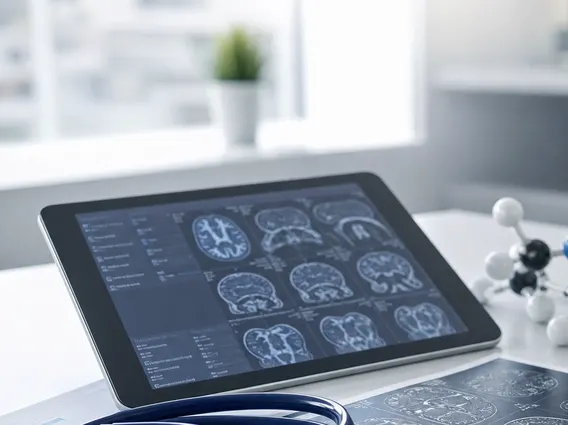
- They diagnose conditions affecting the brain, spine, head, and neck using MRI, CT, and other modalities.
- Key responsibilities include image interpretation, performing minimally invasive procedures, and consulting with other physicians.
- Becoming a Neuroradiologist requires extensive training, including medical school, a diagnostic radiology residency, and a specialized neuroradiology fellowship.
- Their expertise is crucial for accurate diagnosis and effective treatment planning for neurological disorders.
What is a Neuroradiologist?
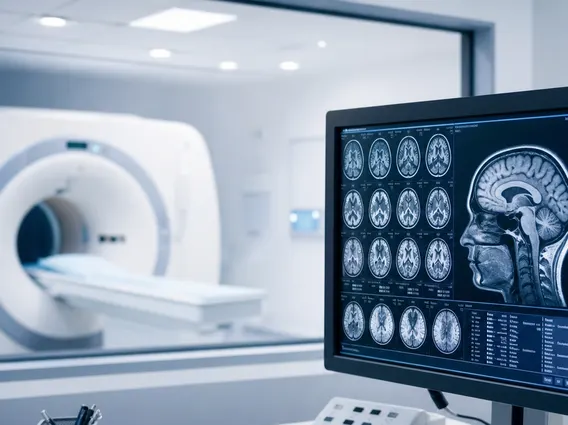
A Neuroradiologist is a physician who has completed extensive training in diagnostic radiology and then pursued further subspecialization in the interpretation of medical images of the central and peripheral nervous systems, as well as the head and neck. This highly specialized field, often referred to as neuroradiology specialty explained, involves using advanced imaging technologies such as Magnetic Resonance Imaging (MRI), Computed Tomography (CT), angiography, and X-rays to detect and characterize a wide range of neurological conditions. Their expertise is crucial for diagnosing complex disorders, including strokes, tumors, aneurysms, degenerative diseases, infections, and traumatic injuries affecting the brain, spinal cord, and associated structures. The precision required in this subspecialty is paramount, as even subtle findings on an image can have significant implications for a patient’s diagnosis and subsequent treatment plan, making their role indispensable in modern medicine.
Key Responsibilities of a Neuroradiologist
The neuroradiologist job description encompasses a broad array of critical duties that are essential for patient diagnosis and treatment. These specialists work closely with neurologists, neurosurgeons, oncologists, and other medical professionals to provide comprehensive care. Their primary responsibilities include:
- Interpreting complex diagnostic images of the brain, spine, head, and neck to identify abnormalities and pathologies with high accuracy.
- Performing image-guided procedures, such as biopsies of tumors or aspirations of fluid collections, often using CT or fluoroscopy for precision, minimizing invasive surgery.
- Consulting with referring physicians to discuss imaging findings, recommend further diagnostic steps, and assist in developing optimal treatment strategies.
- Participating actively in multidisciplinary team meetings to contribute expert opinions on patient cases, ensuring a holistic approach to care.
- Monitoring and evaluating the effectiveness of treatments through follow-up imaging studies, adjusting strategies as needed.
- Conducting research and educating medical students and residents in neuroradiology techniques and principles, advancing the field.
Their meticulous analysis of imaging studies provides vital information that guides surgical interventions, radiation therapy, and medical management, significantly impacting patient outcomes and quality of life.
How to Become a Neuroradiologist
The path to becoming a Neuroradiologist is long and rigorous, requiring a significant commitment to education and specialized training. It typically involves:
- Undergraduate Education: Earning a bachelor’s degree, usually with a strong foundation in science courses like biology, chemistry, and physics, to prepare for medical school.
- Medical School: Completing four years of medical school to obtain a Doctor of Medicine (MD) or Doctor of Osteopathic Medicine (DO) degree. This phase includes foundational science courses and extensive clinical rotations across various medical specialties.
- Internship: Completing a one-year internship, often in internal medicine or surgery, to gain broad clinical experience and refine patient care skills.
- Diagnostic Radiology Residency: Undertaking a four-year residency program in diagnostic radiology. During this time, physicians learn to interpret all types of medical images, including X-rays, CT scans, MRIs, and ultrasounds, across different body systems.
- Neuroradiology Fellowship: After completing the diagnostic radiology residency, aspiring neuroradiologists must complete a one- or two-year fellowship specifically in neuroradiology. This highly specialized training focuses exclusively on the advanced imaging and diagnosis of conditions affecting the nervous system and head/neck region.
- Board Certification: Obtaining board certification from the American Board of Radiology (ABR) in diagnostic radiology, and often a Certificate of Added Qualification (CAQ) in neuroradiology, which demonstrates advanced expertise in the subspecialty.
This extensive training ensures that Neuroradiologists possess the deep knowledge and technical skills required to accurately diagnose and contribute to the management of complex neurological conditions. The entire process typically spans 13-15 years post-high school, highlighting the dedication and intellectual rigor demanded by this critical medical field.