Extravasation
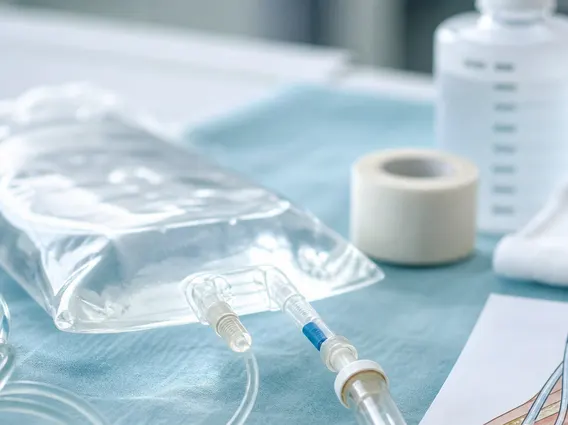
Extravasation is a critical medical complication characterized by the inadvertent leakage of intravenously administered fluids, medications, or blood products from a blood vessel into the surrounding extravascular tissue. This event can range in severity from mild irritation to severe tissue damage, depending on the substance involved and the volume extravasated.
Key Takeaways
- Extravasation is the leakage of IV fluids or medications into surrounding tissue.
- Symptoms include pain, swelling, redness, and potentially blistering or tissue necrosis.
- Causes often relate to fragile veins, improper insertion, or the vesicant nature of the infused substance.
- Immediate treatment involves stopping the infusion, aspiration, and specific interventions like antidotes or compresses.
- Prevention is key, focusing on proper site selection, careful technique, and vigilant monitoring.
What is Extravasation?
Extravasation refers to the accidental leakage of an infusate (fluid or medication) from a vein or artery into the surrounding subcutaneous tissue. This differs from infiltration, which typically involves non-vesicant solutions that cause less damage. Extravasation is particularly concerning when vesicant medications, such as certain chemotherapy drugs or highly concentrated electrolytes, are involved, as these substances can cause severe tissue injury, including blistering, necrosis, and ulceration.
The incidence of extravasation varies, with reports suggesting it occurs in approximately 0.1% to 6% of peripheral intravenous infusions in adults and 0.01% to 0.5% for central intravenous infusions. While relatively uncommon, its potential for serious harm necessitates prompt recognition and management to minimize patient morbidity and ensure optimal treatment outcomes.
Extravasation Symptoms and Causes
Recognizing the signs and symptoms of extravasation is crucial for timely intervention. The clinical presentation can vary depending on the type and amount of fluid extravasated, as well as the patient’s individual response. Common extravasation symptoms and causes are often identifiable at the infusion site and surrounding area.
Symptoms typically include:
- Pain or burning sensation: Often the first indicator, localized at or near the insertion site.
- Swelling: Visible puffiness or induration of the tissue around the catheter.
- Redness (erythema): Discoloration of the skin, which may spread outwards.
- Blanching or coolness: The skin may appear pale or feel cold to the touch due to vasoconstriction or impaired circulation.
- Blistering or skin breakdown: In severe cases, particularly with vesicant agents, fluid-filled blisters or open wounds may develop.
- Absent or sluggish blood return: Difficulty aspirating blood from the catheter.
The causes of extravasation are multifactorial and can include patient-related factors, medication characteristics, and procedural issues. Fragile veins, common in elderly or immunocompromised patients, increase vulnerability. Improper insertion technique, such as piercing through the vein wall, or inadequate securement of the catheter can also lead to dislodgement. High infusion rates, particularly with large volumes, can overwhelm a vein. Furthermore, the vesicant or irritant properties of certain medications are a primary cause, as these agents are inherently damaging to tissues outside the vein.
Treating and Preventing Extravasation
Effective management of extravasation requires immediate action to mitigate tissue damage, followed by ongoing monitoring. The approach to treating extravasation depends on the specific agent involved and the severity of the incident. The first step is always to immediately stop the infusion. Subsequently, the healthcare provider should avoid flushing the line, gently aspirate any residual drug from the catheter, and then carefully remove the catheter. Elevating the affected limb can help reduce swelling.
Specific interventions may include:
- Antidotes: For certain vesicant drugs, specific antidotes (e.g., hyaluronidase for vinca alkaloids, phentolamine for adrenergic agonists) can be injected into the extravasated area to neutralize or disperse the substance.
- Warm or cold compresses: The application of heat or cold can help with absorption or vasoconstriction, depending on the extravasated agent. Warm compresses are often used for non-vesicants to promote vasodilation and absorption, while cold compresses are typically used for vesicants to limit spread and reduce inflammation.
- Topical agents: Dimethyl sulfoxide (DMSO) may be applied topically for certain chemotherapy extravasations.
Preventing extravasation is paramount and involves meticulous attention to detail during intravenous therapy. Key extravasation prevention methods include careful vein selection, using the smallest appropriate catheter size, and ensuring proper insertion technique. Regularly assessing the IV site for signs of infiltration or extravasation throughout the infusion is critical. For vesicant medications, using central venous access devices is often preferred due to their larger vessel size and higher blood flow, which dilutes the medication more effectively. Educating patients about potential symptoms and encouraging them to report any discomfort immediately can also aid in early detection and intervention.