Diverticulosis
Diverticulosis is a common digestive condition characterized by the formation of small, bulging pouches in the lining of the digestive tract, most commonly in the colon. While often asymptomatic, understanding this condition is crucial for effective management and prevention of complications.
Key Takeaways
- Diverticulosis involves the development of small pouches (diverticula) in the colon, often without noticeable symptoms.
- The primary cause is believed to be a low-fiber diet, leading to increased pressure within the colon.
- Symptoms, when present, can include mild abdominal discomfort, bloating, or changes in bowel habits.
- Diagnosis typically involves imaging tests like colonoscopy or CT scans.
- Management focuses on a high-fiber diet, hydration, and lifestyle changes to prevent complications like diverticulitis.
What is Diverticulosis?
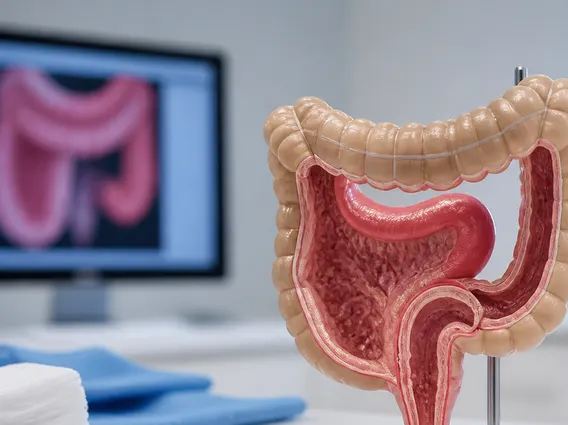
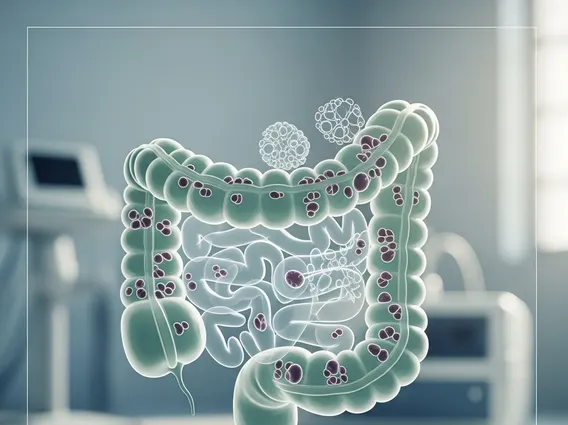
Diverticulosis refers to the presence of diverticula, which are small, outward-bulging sacs or pouches that can form in the wall of the large intestine (colon). These pouches are most common in the sigmoid colon, the S-shaped part of the large intestine that empties into the rectum. The condition is prevalent, particularly among older adults; it is estimated that about 30% of adults over 50 and 60% of adults over 70 in Western countries have diverticulosis, though many remain unaware due to the absence of symptoms (National Institute of Diabetes and Digestive and Kidney Diseases, NIDDK).
The formation of these diverticula occurs when increased pressure inside the colon pushes against weak spots in the intestinal wall. While the exact mechanism is complex, a diet low in fiber is widely considered a significant contributing factor, as it can lead to harder stools and increased straining during bowel movements, thereby elevating colonic pressure.
Diverticulosis: Symptoms, Causes, and Diagnosis
Many individuals with diverticulosis symptoms and causes experience no symptoms at all, a state often referred to as asymptomatic diverticulosis. When symptoms do occur, they are typically mild and non-specific, often including:
- Mild abdominal tenderness or cramping, particularly in the lower left side
- Bloating
- Constipation or, less commonly, diarrhea
- Changes in bowel habits
These symptoms are usually not severe and can often be managed with dietary adjustments. The primary causes and risk factors for diverticulosis include a diet low in fiber, aging (as the colon wall naturally weakens over time), obesity, lack of physical activity, and smoking. Genetic predisposition may also play a role.
Diagnosis of diverticulosis often occurs incidentally during tests for other conditions. Common diagnostic methods include a colonoscopy, which allows direct visualization of the colon lining, or imaging tests such as a computed tomography (CT) scan or a barium enema. These tests can identify the presence and location of diverticula and help rule out other conditions that might cause similar symptoms.
Diverticulosis Management: Diet and Treatment Options
Managing diverticulosis primarily focuses on preventing complications, such as diverticulitis (inflammation or infection of the diverticula), and alleviating any existing mild symptoms. The cornerstone of diverticulosis diet recommendations is a high-fiber diet. Increasing dietary fiber helps to soften stool, reduce pressure within the colon, and promote regular bowel movements. Foods rich in fiber include fruits, vegetables, whole grains, and legumes. It is also crucial to ensure adequate fluid intake to help fiber work effectively and prevent constipation.
Beyond dietary changes, diverticulosis treatment options are generally conservative for asymptomatic or mildly symptomatic cases. Lifestyle modifications, such as regular exercise and maintaining a healthy weight, are also beneficial. For individuals experiencing mild discomfort, over-the-counter pain relievers like acetaminophen may be recommended. If complications like diverticulitis develop, treatment becomes more intensive, often involving antibiotics, liquid diets, and in severe or recurrent cases, surgical intervention to remove the affected part of the colon. It is important to consult a healthcare professional for personalized advice and management strategies.