Culture
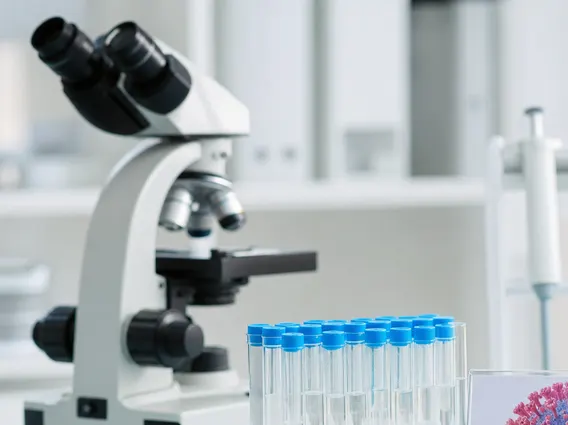
Culture, in a clinical context, refers to a vital laboratory diagnostic technique used to identify infectious agents by promoting their growth in controlled environments. This process is fundamental for understanding infection causes and guiding effective treatment.
Key Takeaways
- Culture is a laboratory method for growing microorganisms from patient samples to diagnose infections.
- It is crucial for identifying specific pathogens, such as bacteria, fungi, or viruses, that cause disease.
- The results of a Culture test directly inform clinicians about the most effective antimicrobial treatments.
- Different types of clinical cultures exist, tailored to specific sample sources and suspected pathogens.
- Understanding the principles and applications of Culture is essential for accurate diagnosis and combating antimicrobial resistance.
What is Culture and Its Significance in Health?
Culture, in the realm of health and medicine, is a laboratory procedure where biological samples (e.g., blood, urine, tissue) are placed into a nutrient-rich medium to encourage the growth of microorganisms. This process allows for the isolation and identification of specific pathogens responsible for an infection. Its significance in health is paramount, as it provides definitive evidence of an infectious agent, enabling targeted and effective treatment.
The ability to identify the exact pathogen is critical for several reasons. Firstly, it helps clinicians differentiate between bacterial, fungal, or viral infections, which require distinct treatment approaches. Secondly, sensitivity testing, often performed alongside Culture, determines which antimicrobial agents will be most effective against the identified microorganism, thereby optimizing patient outcomes and minimizing the development of antimicrobial resistance. For instance, the World Health Organization (WHO) emphasizes the critical role of robust laboratory diagnostics, including culture, in combating the global threat of antimicrobial resistance, noting that accurate identification of pathogens and their susceptibility patterns is foundational for effective public health responses.
Types of Cultures
There are various types of cultures performed in clinical laboratories, each designed to isolate pathogens from specific body sites or fluids. These diverse approaches ensure comprehensive diagnostic capabilities across a wide range of infections. Common examples include:
- Blood Culture: Used to detect bloodstream infections (sepsis), which can be life-threatening.
- Urine Culture: Essential for diagnosing urinary tract infections (UTIs) and identifying the causative bacteria.
- Wound Culture: Performed on samples from wounds, abscesses, or surgical sites to identify pathogens causing localized infections.
- Sputum Culture: Used to diagnose respiratory tract infections such as pneumonia or tuberculosis by analyzing mucus from the lungs.
- Cerebrospinal Fluid (CSF) Culture: Critical for diagnosing central nervous system infections like meningitis.
The selection of the appropriate culture type depends on the patient’s symptoms, clinical presentation, and suspected site of infection. Each type requires specific collection methods, transport conditions, and growth media to maximize the chances of isolating the target microorganism.
Cultural Diversity and Its Influence on Health Outcomes
Within the context of clinical diagnostics, the concept of “cultural diversity” can be interpreted as the vast array of microorganisms that can cause disease and the varied conditions required for their successful isolation and identification through laboratory culture. The importance of cultural diversity in this sense lies in the necessity for diagnostic laboratories to be equipped with diverse methodologies and expertise to detect a broad spectrum of pathogens. This comprehensive capability directly influences health outcomes by ensuring accurate and timely diagnoses.
For example, some bacteria are fastidious, requiring specific nutrients or atmospheric conditions (e.g., anaerobic environments) that differ significantly from those needed for common aerobic bacteria. Fungi and mycobacteria also require specialized media and extended incubation periods. A laboratory’s ability to handle this “diversity” of microbial requirements is crucial; without it, diagnoses can be missed or delayed, leading to inappropriate treatment and severe complications. This diagnostic capability is particularly vital in regions with high prevalence of specific or uncommon infectious diseases, requiring a broad range of culture techniques to address local epidemiological needs.
Furthermore, the continuous evolution of pathogens, including the emergence of new strains and antimicrobial resistance, underscores the need for adaptable and diverse culture practices. Laboratories must constantly update their protocols and media to effectively culture and characterize these evolving threats. This adaptability ensures that diagnostic tools remain relevant and effective, ultimately safeguarding public health and improving individual patient outcomes by guiding precise therapeutic interventions.