Choroid Plexus Tumor
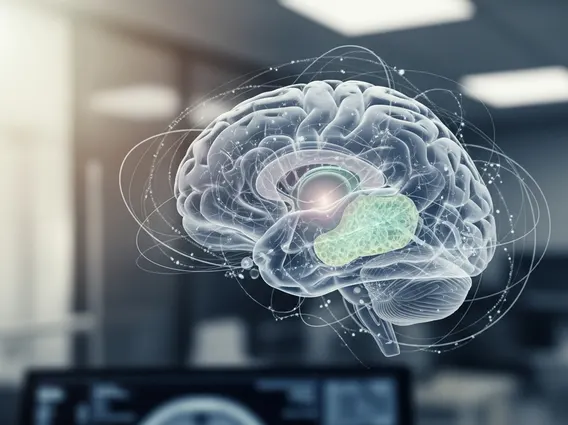
A Choroid Plexus Tumor is a rare type of brain tumor that originates in the choroid plexus, the tissue responsible for producing cerebrospinal fluid (CSF) within the brain’s ventricles. Understanding this condition is crucial for effective management and improved patient outcomes.
Key Takeaways
- Choroid Plexus Tumors are rare brain tumors originating from CSF-producing tissue.
- They are more common in children and can be benign (papilloma) or malignant (carcinoma).
- Symptoms often arise from hydrocephalus due to CSF overproduction or blockage.
- Diagnosis relies on imaging (MRI) and confirmed by biopsy.
- Treatment primarily involves surgical removal, with prognosis varying based on tumor type and completeness of resection.
What is a Choroid Plexus Tumor?
A Choroid Plexus Tumor is a growth that develops from the choroid plexus, specialized tissue located within the ventricles of the brain. The choroid plexus plays a vital role in producing cerebrospinal fluid (CSF), which cushions the brain and spinal cord, delivers nutrients, and removes waste products. These tumors can be either benign (non-cancerous), known as choroid plexus papillomas, or malignant (cancerous), referred to as choroid plexus carcinomas.
Choroid plexus papillomas are more common and typically have a better prognosis, while choroid plexus carcinomas are more aggressive and tend to spread. According to the American Association of Neurological Surgeons (AANS), choroid plexus tumors are rare, accounting for approximately 2-5% of all pediatric brain tumors and less than 1% of adult brain tumors. Their rarity underscores the importance of specialized diagnostic and treatment approaches.
Choroid Plexus Tumor: Symptoms and Diagnosis
The symptoms associated with a choroid plexus tumor symptoms diagnosis often result from increased intracranial pressure due to hydrocephalus, a condition where there is an excessive accumulation of cerebrospinal fluid in the brain. This can occur either because the tumor overproduces CSF or because it blocks the normal flow of CSF within the ventricular system. Common symptoms vary by age and can include:
- Headaches
- Nausea and vomiting
- Lethargy or irritability
- Changes in vision
- Developmental delays in infants
- An abnormally enlarged head circumference (macrocephaly) in infants
- Seizures
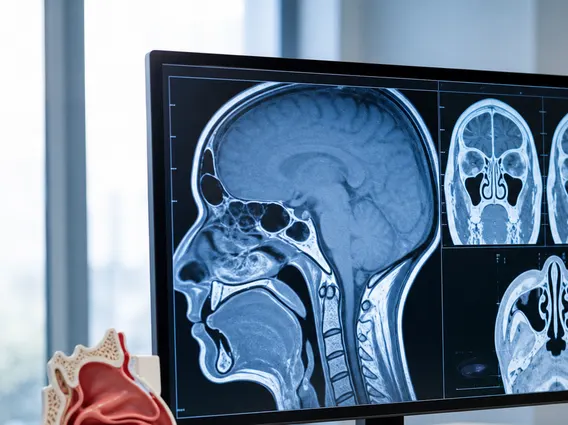
Diagnosis typically begins with a thorough neurological examination. Imaging studies are crucial, with Magnetic Resonance Imaging (MRI) of the brain being the preferred method to visualize the tumor’s size, location, and extent. Computed Tomography (CT) scans may also be used. A definitive diagnosis, including differentiation between papilloma and carcinoma, requires a biopsy, where a small tissue sample is surgically removed and examined under a microscope by a neuropathologist.
Treatment Options and Prognosis for Choroid Plexus Tumor
The primary approach for choroid plexus tumor treatment options is surgical resection. The goal of surgery is to remove as much of the tumor as safely possible, ideally achieving a complete removal. For choroid plexus papillomas, complete surgical resection is often curative. In cases where complete removal is not possible or for more aggressive choroid plexus carcinomas, additional treatments may be necessary.
These supplementary treatments can include chemotherapy, which uses drugs to kill cancer cells, and radiation therapy, which uses high-energy rays to destroy tumor cells. Radiation therapy is often used cautiously in very young children due to potential long-term developmental side effects. The prognosis for choroid plexus tumor varies significantly depending on several factors, including the tumor type (papilloma versus carcinoma), the extent of surgical removal, the patient’s age, and whether the tumor has spread (metastasized). Generally, patients with completely resected choroid plexus papillomas have an excellent prognosis. For choroid plexus carcinomas, the prognosis is more guarded, but advancements in multimodal therapy continue to improve outcomes.