Cholestasis
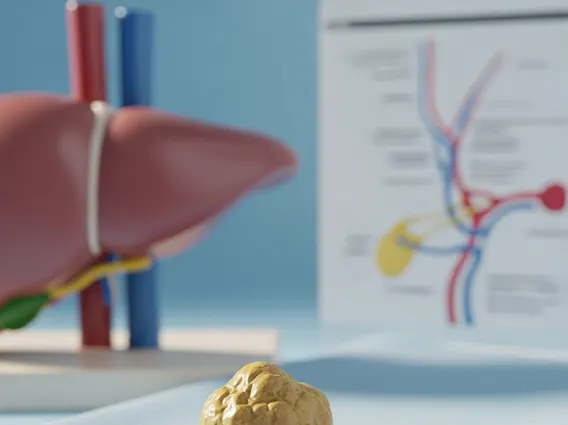
Cholestasis is a medical condition characterized by a reduction or complete stoppage of bile flow from the liver. This interruption can lead to a buildup of bile substances in the liver and bloodstream, affecting digestion and waste elimination.
Key Takeaways
- Cholestasis is the impaired flow of bile from the liver, leading to its accumulation in the body.
- It can be categorized into intrahepatic (within the liver) and extrahepatic (outside the liver) forms, each with distinct causes.
- Common symptoms include jaundice, severe itching, dark urine, and pale stools.
- Diagnosis involves blood tests, imaging studies, and sometimes a liver biopsy to identify the underlying cause.
- Treatment focuses on addressing the root cause, managing symptoms, and preventing complications.
What is Cholestasis?
Cholestasis refers to a condition where the production or flow of bile from the liver is impaired. Bile, a digestive fluid produced by the liver, plays a crucial role in breaking down fats in the small intestine and eliminating waste products from the body. When bile flow is obstructed, these substances accumulate, leading to various health issues. This condition can affect individuals of all ages, from newborns to adults, and its prevalence varies depending on the underlying cause. For instance, intrahepatic cholestasis of pregnancy affects approximately 0.4% to 1% of pregnancies globally, according to studies cited by the American College of Obstetricians and Gynecologists.
Types of Cholestasis: Symptoms and Causes
Understanding the types of Cholestasis is crucial for accurate diagnosis and effective management. Cholestasis is broadly classified into two main categories based on the location of the bile flow obstruction:
- Intrahepatic Cholestasis: This type occurs when the problem lies within the liver itself, affecting the bile ducts inside the liver. Causes can include viral hepatitis, alcoholic liver disease, certain medications (e.g., anabolic steroids, some antibiotics), primary biliary cholangitis, primary sclerosing cholangitis, genetic disorders, and cholestasis of pregnancy.
- Extrahepatic Cholestasis: This type arises from an obstruction in the bile ducts outside the liver. Common causes include gallstones in the common bile duct, tumors (such as pancreatic cancer or cholangiocarcinoma), strictures (narrowing) of the bile ducts, and pancreatitis.
The Cholestasis symptoms causes are often interconnected. Regardless of the type, common symptoms arise from the accumulation of bile components in the bloodstream. These include:
- Jaundice: Yellowing of the skin and whites of the eyes due to elevated bilirubin levels.
- Pruritus: Intense itching, often worse at night, caused by bile salt deposition in the skin.
- Dark Urine: Caused by the excretion of excess bilirubin through the kidneys.
- Pale or Clay-Colored Stools: Resulting from the lack of bile reaching the intestines to color the feces.
- Fatigue: A common but non-specific symptom.
- Nausea and Vomiting: Especially if the underlying cause affects digestion.
- Abdominal Pain: Particularly in the upper right quadrant, often associated with gallstones or liver inflammation.
- Malabsorption: Due to impaired fat digestion, leading to deficiencies in fat-soluble vitamins (A, D, E, K).
The specific cause dictates the precise mechanism of bile flow impairment, whether it’s due to inflammation, mechanical obstruction, or impaired bile production at a cellular level.
Diagnosing and Treating Cholestasis
The process of Cholestasis diagnosis treatment begins with a thorough medical history and physical examination, followed by a series of diagnostic tests. Blood tests are typically the first step, revealing elevated levels of bilirubin, alkaline phosphatase, and gamma-glutamyl transferase (GGT), which are indicators of bile duct obstruction or liver damage. Imaging studies are crucial for identifying the location and nature of the obstruction. These may include:
- Ultrasound: Often the initial imaging test to check for gallstones or dilated bile ducts.
- Computed Tomography (CT) scan: Provides detailed images of the liver, bile ducts, and surrounding organs.
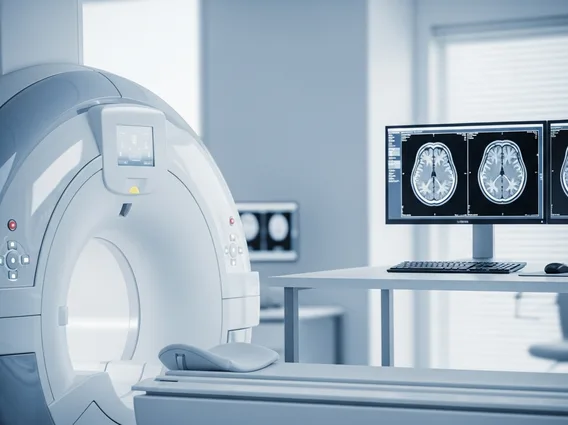
- Magnetic Resonance Cholangiopancreatography (MRCP): A non-invasive MRI technique that visualizes the bile and pancreatic ducts.
- Endoscopic Retrograde Cholangiopancreatography (ERCP): A more invasive procedure that uses an endoscope to visualize and sometimes treat bile duct obstructions.
- Liver Biopsy: May be performed to assess the extent of liver damage and identify specific intrahepatic causes.
Treatment for Cholestasis is primarily focused on addressing the underlying cause. For extrahepatic obstructions, surgical intervention may be necessary to remove gallstones, tumors, or relieve strictures. In cases of intrahepatic Cholestasis, treatment often involves managing the specific liver condition or discontinuing causative medications. Medications like ursodeoxycholic acid (UDCA) can help improve bile flow and reduce symptoms in certain types of Cholestasis. Symptomatic relief for severe itching often involves antihistamines or bile acid sequestrants. Dietary modifications, such as consuming a low-fat diet and supplementing with fat-soluble vitamins, are also important to manage malabsorption and nutritional deficiencies. Early diagnosis and a tailored treatment plan are essential to prevent long-term complications such as liver damage, cirrhosis, and nutritional deficiencies.