Cholelith
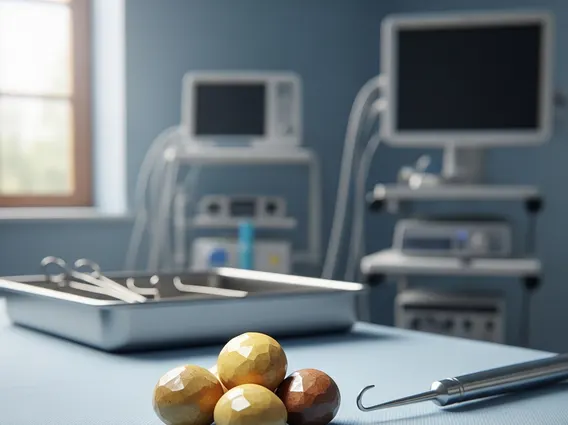
Cholelith refers to the presence of gallstones, which are hardened deposits of digestive fluid that can form in the gallbladder. These stones can vary in size and number, potentially leading to a range of symptoms and complications if they obstruct the bile ducts.
Key Takeaways
- Cholelith is the medical term for gallstones, which are solid particles formed in the gallbladder.
- Many individuals with gallstones experience no symptoms, but others may suffer from severe abdominal pain.
- Risk factors include diet, genetics, obesity, rapid weight loss, and certain medical conditions.
- Diagnosis typically involves imaging tests like ultrasound, and treatment ranges from watchful waiting to surgical removal of the gallbladder.
- Early detection and appropriate management are crucial to prevent complications such as inflammation or infection.
What is Cholelith?
A Cholelith, commonly known as a gallstone, is a solid concretion that forms within the gallbladder, a small organ located beneath the liver. The gallbladder’s primary function is to store and concentrate bile, a digestive fluid produced by the liver that helps in the breakdown of fats. Gallstones develop when substances in bile, such as cholesterol or bilirubin, become highly concentrated and crystallize. These stones can range in size from a grain of sand to a golf ball and may be numerous or solitary. While many people with gallstones remain asymptomatic, their presence can lead to significant health issues if they block the bile ducts, causing pain, inflammation, or infection.
Cholelith Symptoms, Causes, and Formation
The presence of gallstones, or cholelithiasis, often goes unnoticed, with many individuals experiencing no symptoms. However, when a gallstone blocks a bile duct, it can trigger a sudden and intensifying pain in the upper right abdomen, known as a gallstone attack or biliary colic. Other common cholelith symptoms and causes include pain radiating to the right shoulder or back, nausea, vomiting, and sometimes fever if an infection develops. The pain can last from several minutes to a few hours.
Several factors contribute to gallstone formation information. Gallstones are primarily classified into two types: cholesterol stones and pigment stones. Cholesterol stones, which are the most common, form when there is too much cholesterol in the bile. Pigment stones, made of bilirubin, form when there is an excess of bilirubin in the bile, often due to certain medical conditions like cirrhosis or hemolytic anemias. Risk factors for developing gallstones include:
- Obesity
- Rapid weight loss
- Being female
- Age (over 40)
- Pregnancy
- Family history of gallstones
- Certain ethnic backgrounds (e.g., Native Americans, Mexican Americans)
- Diet high in fat and cholesterol
- Diabetes
- Liver disease
According to the National Institute of Diabetes and Digestive and Kidney Diseases (NIDDK), approximately 10-15% of adults in Western countries are estimated to have gallstones, though a significant portion remains asymptomatic.
Cholelith Treatment Options
The approach to managing cholelith depends largely on whether symptoms are present and the severity of the condition. For individuals with asymptomatic gallstones, watchful waiting is often recommended, as treatment is typically not necessary. However, for those experiencing recurrent gallstone attacks or complications, various cholelith treatment options are available.
The most common and effective treatment for symptomatic gallstones is surgical removal of the gallbladder, a procedure known as cholecystectomy. This is usually performed laparoscopically, involving small incisions and a quick recovery. In cases where surgery is not an option, or for specific types of stones, non-surgical treatments may be considered:
- Oral Dissolution Therapy: Medications containing ursodiol can dissolve small cholesterol gallstones over several months or years, but this method is only effective for a minority of patients and stones may recur.
- Endoscopic Retrograde Cholangiopancreatography (ERCP): This procedure can remove gallstones that have migrated into the bile ducts, often used to relieve blockages and prevent complications like pancreatitis.
- Extracorporeal Shock Wave Lithotripsy (ESWL): Rarely used, this technique employs shock waves to break up gallstones into smaller fragments that can then pass more easily.
It is important to consult with a healthcare professional to determine the most appropriate treatment plan based on individual circumstances. While some complementary therapies may support overall digestive health, they should not replace conventional medical treatment for cholelithiasis.