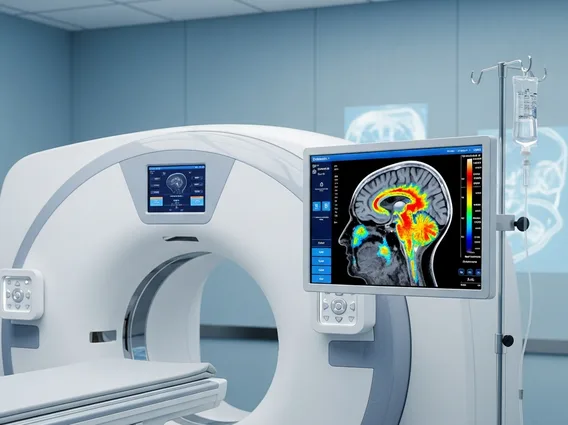
Central Nervous System Depressant
A Central Nervous System Depressant (CNS Depressant) is a substance that slows down brain activity. These medications are commonly prescribed to treat conditions such as anxiety, insomnia, and seizure disorders, exerting their effects by influencing neurotransmitters in the brain.

Key Takeaways
- CNS Depressants are substances that reduce brain activity, leading to calming or sedating effects.
- They work primarily by increasing the activity of gamma-aminobutyric acid (GABA), a neurotransmitter that inhibits brain function.
- Common types include benzodiazepines, barbiturates, and non-benzodiazepine sedative-hypnotics.
- While beneficial for treating conditions like anxiety and insomnia, they carry risks of dependence, withdrawal, and overdose, especially when misused or combined with other substances.
- Their effects range from mild sedation to coma, depending on the dose and individual factors.
What is a Central Nervous System Depressant (CNS Depressant)?
A Central Nervous System Depressant (CNS Depressant) refers to a class of psychoactive drugs that decrease brain activity. These substances achieve their effects by enhancing the activity of gamma-aminobutyric acid (GABA), a primary inhibitory neurotransmitter in the brain. By boosting GABA’s effects, CNS depressants slow down nerve impulses, leading to a range of outcomes from mild sedation to anesthesia.
These medications are widely prescribed for various medical conditions, including anxiety disorders, insomnia, and certain types of seizures. Their ability to calm the brain makes them effective in alleviating distress and promoting sleep. However, due to their potent effects on the central nervous system, they also carry a significant risk of dependence, tolerance, and withdrawal symptoms if not used as directed by a healthcare professional.
Types of Central Nervous System Depressants
There are several categories of central nervous system depressants, each with distinct chemical structures and therapeutic uses. While they all share the common mechanism of slowing brain activity, their specific applications, onset of action, and duration of effects can vary significantly. Understanding these types is crucial for safe and effective treatment.
Common types of CNS depressants include:
- Benzodiazepines: These are frequently prescribed for anxiety, panic attacks, and insomnia. Examples include alprazolam (Xanax), diazepam (Valium), and lorazepam (Ativan). They are known for their rapid onset and effectiveness in acute situations but carry a risk of dependence with prolonged use.
- Barbiturates: Once widely used for anxiety and sleep, barbiturates like phenobarbital are now less common due to their higher risk of overdose and dependence compared to benzodiazepines. They are still used in specific medical contexts, such as anesthesia or seizure control.
- Non-benzodiazepine Sedative-Hypnotics (Z-drugs): These drugs, such as zolpidem (Ambien) and eszopiclone (Lunesta), are primarily prescribed for insomnia. They act on similar GABA receptors as benzodiazepines but have a slightly different chemical structure, often resulting in fewer side effects related to anxiety relief.
- Opioids: While primarily known for pain relief, opioids like morphine and oxycodone also have significant CNS depressant effects, causing sedation and respiratory depression. They are potent and carry a high risk of dependence and overdose.
- Alcohol: Ethanol, the alcohol found in alcoholic beverages, is a common CNS depressant. It affects GABA receptors and other neurotransmitter systems, leading to impaired judgment, reduced coordination, and sedation.
Each type requires careful consideration regarding dosage, duration of treatment, and potential interactions with other substances.
How CNS Depressants Work and Their Effects
Central Nervous System Depressants primarily exert their effects by enhancing the activity of gamma-aminobutyric acid (GABA), the brain’s main inhibitory neurotransmitter. When GABA binds to its receptors, it reduces neuronal excitability, effectively slowing down brain activity. CNS depressants amplify this natural inhibitory process, leading to a calming effect on the central nervous system. This mechanism helps to alleviate anxiety, induce sleep, and prevent seizures by stabilizing overactive nerve cells.
The effects of CNS depressants on the body can range from mild to severe, depending on the specific drug, dosage, individual sensitivity, and whether other substances are consumed concurrently. At lower doses, effects typically include:
- Sedation and drowsiness
- Relaxation and reduced anxiety
- Muscle relaxation
- Slower reaction time
At higher doses or when misused, the effects can become more pronounced and dangerous, potentially leading to:
- Impaired coordination and balance
- Slurred speech
- Confusion and disorientation
- Significant respiratory depression (slowed or stopped breathing)
- Coma or death
According to the Centers for Disease Control and Prevention (CDC), overdose deaths involving CNS depressants, particularly benzodiazepines, have been a significant public health concern, often exacerbated by co-use with opioids or alcohol. For instance, in 2021, benzodiazepines were involved in over 12,000 overdose deaths in the United States, highlighting the critical need for careful prescribing and patient education (Source: CDC WONDER database). It is crucial for individuals taking these medications to follow their doctor’s instructions precisely and to be aware of the risks associated with their use, especially when combined with other substances that also depress the CNS.