Carboplatin Taxol Regimen
The Carboplatin Taxol regimen is a widely utilized chemotherapy combination in oncology, designed to combat various types of cancer. This treatment strategy leverages the distinct mechanisms of two powerful anti-cancer drugs to target and destroy rapidly dividing cancer cells.

Key Takeaways
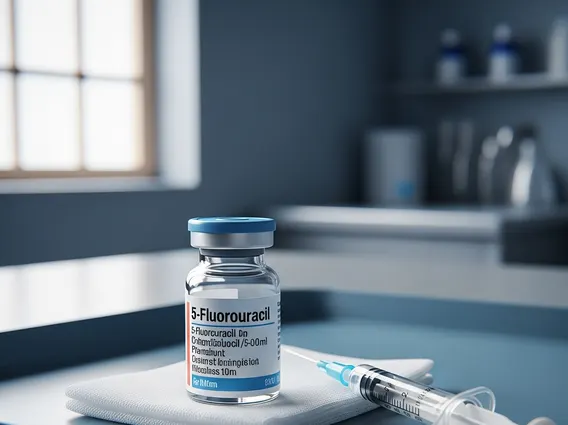
- The Carboplatin Taxol regimen combines carboplatin and paclitaxel (Taxol) to treat several cancers, including ovarian, lung, and breast cancers.
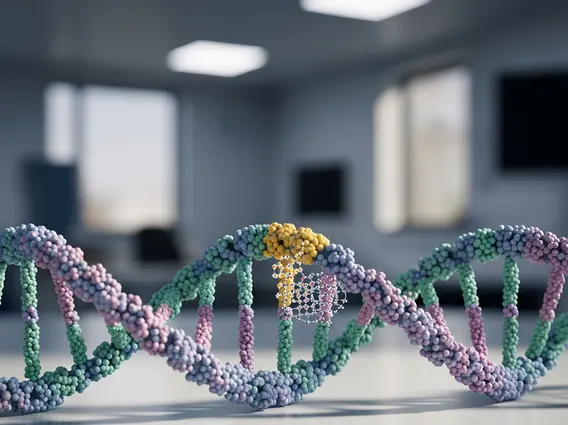
- Carboplatin works by damaging cancer cell DNA, while Taxol interferes with cell division.
- Treatment typically involves intravenous infusions administered in cycles, often every three weeks.
- Common side effects include nausea, fatigue, hair loss, bone marrow suppression, and neuropathy.
- Patient monitoring and supportive care are crucial for managing side effects and optimizing treatment outcomes.
What is the Carboplatin Taxol Regimen?
The Carboplatin Taxol Regimen refers to a standard chemotherapy approach that combines two distinct anticancer agents: carboplatin and paclitaxel (commonly known by its brand name, Taxol). This regimen is a cornerstone in the treatment of several solid tumors, particularly ovarian cancer, non-small cell lung cancer, and certain types of breast cancer. The efficacy of this combination lies in the synergistic action of its components, each targeting cancer cells through different biological pathways.
Carboplatin is a platinum-based chemotherapy drug that functions by cross-linking DNA strands within cancer cells, thereby preventing DNA replication and transcription. This damage ultimately triggers programmed cell death (apoptosis) in malignant cells. Paclitaxel, on the other hand, is a taxane-class drug that disrupts the normal function of microtubules, which are essential structures for cell division and intracellular transport. By stabilizing microtubules and preventing their disassembly, paclitaxel arrests cancer cells in a specific phase of their cell cycle, leading to their demise. The combination of these two agents provides a comprehensive attack on cancer cells, enhancing therapeutic outcomes and making the Carboplatin Taxol regimen explained as a highly effective treatment option.
Carboplatin Taxol Treatment Protocol
The Carboplatin Taxol treatment protocol is typically administered intravenously (IV) in a hospital or outpatient clinic setting. The specific dosing, frequency, and number of cycles depend on various factors, including the type and stage of cancer, the patient’s overall health, kidney function, and previous treatments. A common protocol involves administering both drugs on the same day, usually every three weeks, allowing the body time to recover between cycles. Before each infusion, patients often receive pre-medications, such as anti-nausea drugs and corticosteroids, to minimize allergic reactions and manage potential side effects.
During the infusion, carboplatin is typically given over a shorter period, while paclitaxel may be infused over several hours. Healthcare professionals closely monitor patients for any immediate reactions. Blood tests are regularly conducted throughout the treatment course to assess blood counts and kidney function, which are crucial for adjusting dosages and ensuring patient safety. The entire course of treatment can range from three to six cycles or more, depending on the treatment response and the oncologist’s recommendations.
Potential Side Effects of Carboplatin Taxol
As with most chemotherapy regimens, the Carboplatin Taxol side effects can be significant due to the drugs’ impact on rapidly dividing healthy cells in addition to cancer cells. Managing these side effects is a critical aspect of the treatment plan, often involving supportive medications and lifestyle adjustments. Patients are closely monitored, and side effect management strategies are tailored to individual needs.
Common side effects include:
- Myelosuppression: A decrease in bone marrow activity leading to low blood cell counts (anemia, neutropenia, thrombocytopenia), increasing the risk of infection, fatigue, and bleeding.
- Nausea and Vomiting: Often managed with antiemetic medications administered before and after chemotherapy.
- Hair Loss (Alopecia): Usually temporary, with hair regrowth occurring after treatment completion.
- Fatigue: A pervasive tiredness that can range from mild to severe, impacting daily activities.
- Peripheral Neuropathy: Numbness, tingling, or pain in the hands and feet, which can sometimes be long-lasting.
- Allergic Reactions: Though pre-medications help, some patients may experience reactions during infusion, requiring immediate medical attention.
- Muscle and Joint Pain: Aches and pains, particularly in the days following paclitaxel infusion.
It is important for patients undergoing this regimen to communicate any new or worsening symptoms to their healthcare team promptly. While these side effects can be challenging, they are often manageable with appropriate medical intervention and supportive care, allowing patients to complete their prescribed course of treatment effectively. This information is for supportive purposes only and does not replace professional medical treatment or advice.