Car T Cell Therapy
Car T Cell Therapy represents a groundbreaking advancement in cancer treatment, offering new hope for patients with certain types of blood cancers. This innovative immunotherapy harnesses the body’s own immune system to target and destroy cancer cells.

Key Takeaways
- CAR T-cell therapy is a personalized immunotherapy that genetically engineers a patient’s T-cells to fight cancer.
- The process involves collecting T-cells, modifying them to express Chimeric Antigen Receptors (CARs), expanding them, and reinfusing them into the patient.
- It has shown remarkable success in treating specific lymphomas, leukemias, and multiple myeloma, often in cases resistant to other treatments.
- While highly effective, CAR T-cell therapy carries significant risks, including Cytokine Release Syndrome (CRS) and neurotoxicity, requiring specialized management.
- Ongoing research aims to expand its application to more cancer types and improve its safety profile.
What is CAR T-Cell Therapy?
CAR T-cell therapy is a sophisticated form of immunotherapy that modifies a patient’s own T-cells, a type of white blood cell crucial to the immune system, to recognize and attack cancer cells. This cutting-edge treatment involves extracting T-cells from the patient, genetically altering them in a laboratory to produce Chimeric Antigen Receptors (CARs) on their surface, and then reinfusing these enhanced cells back into the patient.
The CARs enable the T-cells to specifically bind to antigens present on the surface of cancer cells, leading to their destruction. This personalized approach has revolutionized the treatment landscape for certain hematologic malignancies, offering a powerful option for patients who have exhausted conventional therapies.
Mechanism of Action and Treatment Process
The car t cell therapy mechanism of action involves several intricate steps designed to transform a patient’s T-cells into cancer-fighting agents. Once infused, these modified CAR T-cells proliferate within the patient’s body and actively seek out cancer cells expressing the target antigen. Upon binding, the CAR T-cells become activated, releasing cytotoxic substances that directly kill the cancer cells. This targeted destruction minimizes damage to healthy tissues, a common challenge with traditional chemotherapy.
The car t cell therapy treatment process is a multi-stage procedure that typically spans several weeks:
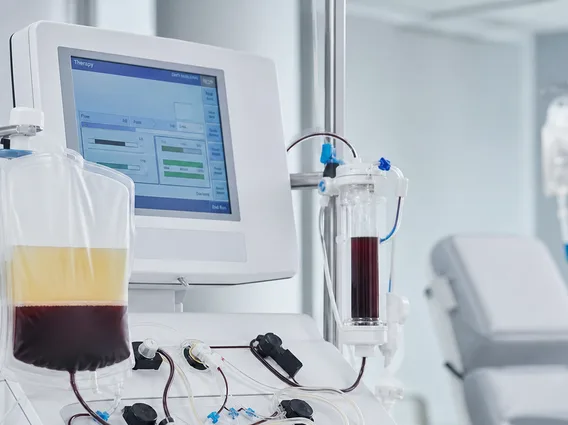
- T-cell Collection (Leukapheresis): Blood is drawn from the patient, and T-cells are separated using a process similar to dialysis, while other blood components are returned to the body.
- Genetic Engineering: In a specialized laboratory, the collected T-cells are genetically modified using a viral vector to express the Chimeric Antigen Receptor (CAR) on their surface. This CAR is designed to recognize a specific antigen found on the patient’s cancer cells.
- Cell Expansion: The now-modified CAR T-cells are multiplied in the lab to reach the millions or billions required for treatment. This expansion phase can take several weeks.
- Lymphodepleting Chemotherapy: Before infusion, the patient typically receives a short course of chemotherapy to reduce the number of existing immune cells. This step helps create “space” for the newly infused CAR T-cells to expand and function effectively.
- CAR T-cell Infusion: The engineered and expanded CAR T-cells are infused back into the patient, similar to a blood transfusion.
- Monitoring and Management: Following infusion, patients are closely monitored for potential side effects and their response to treatment, often requiring hospitalization.
Potential Benefits and Associated Risks
The car t cell therapy benefits and risks are significant and must be carefully weighed. For patients with specific types of refractory or relapsed blood cancers, such as B-cell acute lymphoblastic leukemia, diffuse large B-cell lymphoma, and multiple myeloma, CAR T-cell therapy has demonstrated remarkable efficacy, leading to high response rates and, in many cases, durable remissions. For example, studies have shown complete remission rates exceeding 80% in pediatric and young adult patients with relapsed/refractory B-cell ALL (Source: National Cancer Institute). This therapy offers a lifeline when other treatments have failed, potentially extending survival and improving quality of life.
However, CAR T-cell therapy is associated with notable risks and side effects that require expert management. The most common and serious adverse events include Cytokine Release Syndrome (CRS), a systemic inflammatory response, and Immune effector Cell-Associated Neurotoxicity Syndrome (ICANS), which can cause neurological toxicities. Other potential side effects include infections, prolonged low blood counts (cytopenias), and hypogammaglobulinemia (low antibody levels).
Due to these potential complications, CAR T-cell therapy is administered in specialized medical centers equipped to manage its unique challenges, ensuring patient safety and optimal outcomes.