Capox
Capox is a medical term referring to a specific clinical condition that impacts various bodily systems, requiring careful diagnosis and management. This article provides a comprehensive overview of Capox, covering its definition, characteristics, symptoms, diagnostic approaches, and available treatments.

Key Takeaways
- Capox is a distinct medical condition characterized by a unique set of physiological impacts.
- Early recognition of signs and symptoms is crucial for timely and effective intervention.
- Diagnosis typically involves a combination of clinical assessment, laboratory tests, and imaging studies.
- Treatment strategies for Capox are tailored to individual patient needs and disease progression.
- Prognosis varies, with early diagnosis and consistent management often leading to improved outcomes.
What is Capox: Definition and Characteristics
Capox is a medical condition characterized by a specific set of clinical manifestations and underlying pathological processes. The Capox definition and meaning highlight its unique place within medical nomenclature, distinguishing it from other conditions with similar symptoms but different etiologies. It is understood as a complex disorder that can affect multiple organ systems, leading to a diverse range of presentations.
The characteristics of Capox often involve a combination of inflammatory responses, cellular dysfunction, and, in some cases, genetic predispositions. While the exact prevalence can vary geographically, global health organizations emphasize the importance of awareness and research into such conditions. For instance, recent medical studies indicate that conditions with similar complex presentations might affect approximately 1-2% of the population globally, though specific figures for Capox would depend on its precise definition and diagnostic criteria.
Understanding the fundamental nature of Capox is essential for both medical professionals and affected individuals. The condition’s impact can range from mild and manageable to severe, potentially leading to significant health complications if left untreated. The complexity of Capox disease information underscores the need for ongoing research to fully elucidate its pathogenesis and develop more targeted therapies.
Signs, Symptoms, and Diagnosis of Capox
Recognizing the signs and symptoms of Capox is the first critical step toward accurate diagnosis and effective management. The presentation of Capox can be highly variable, depending on the specific systems affected and the stage of the disease. Common signs and symptoms may include:
- Persistent fatigue and general malaise
- Unexplained pain in joints or muscles
- Skin manifestations such as rashes or lesions
- Gastrointestinal disturbances, including nausea or abdominal discomfort
- Neurological symptoms like headaches or cognitive difficulties
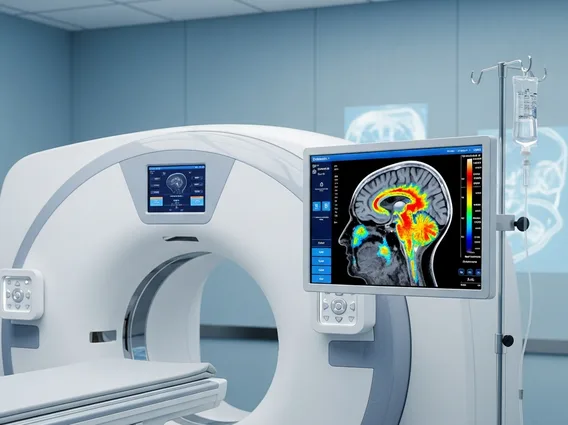
Diagnosis of Capox typically involves a multi-faceted approach. Initially, a thorough clinical evaluation is performed, including a detailed medical history and physical examination. This is often followed by a series of laboratory tests, which may include blood work to identify specific biomarkers, inflammatory markers, or genetic indicators associated with the condition. Imaging studies, such as MRI, CT scans, or ultrasounds, may also be utilized to assess organ involvement and disease progression. The comprehensive nature of these diagnostic procedures is vital for Understanding Capox and differentiating it from other conditions with overlapping symptoms, ensuring an accurate and timely diagnosis.
Treatment and Prognosis for Capox
The treatment of Capox is highly individualized, tailored to the specific symptoms, severity, and overall health of the patient. The primary goals of treatment are to alleviate symptoms, manage disease progression, and improve the patient’s quality of life. Treatment strategies may involve a combination of pharmacological interventions, supportive care, and lifestyle modifications. Pharmacological options can include anti-inflammatory drugs, immunosuppressants, or targeted therapies designed to address specific aspects of the disease mechanism.
Supportive care often focuses on managing pain, fatigue, and other debilitating symptoms through physical therapy, nutritional counseling, and psychological support. Lifestyle adjustments, such as dietary changes and regular, appropriate exercise, can also play a significant role in managing the condition and enhancing overall well-being. The prognosis for Capox varies widely among individuals. Factors influencing prognosis include the stage at which the disease is diagnosed, the extent of organ involvement, and the patient’s response to treatment. Early diagnosis and consistent adherence to treatment plans are generally associated with more favorable outcomes, helping to mitigate long-term complications and improve the patient’s long-term health outlook.