Brain Stem Tumor
A Brain Stem Tumor is a serious medical condition involving abnormal cell growth in the brain stem, a critical part of the brain responsible for vital bodily functions. Understanding this condition is crucial for patients and their families.
Key Takeaways
- A Brain Stem Tumor is an abnormal growth located in the brain stem, affecting essential functions like breathing and heart rate.
- Symptoms vary widely but often include problems with balance, vision, speech, and motor control due to the brain stem’s role.
- While specific causes are often unknown, some genetic factors can increase the risk of developing these tumors.
- Diagnosis typically involves advanced imaging techniques like MRI, followed by neurological evaluations.
- Prognosis depends on factors such as tumor type, size, location, and the patient’s overall health.
What is a Brain Stem Tumor?
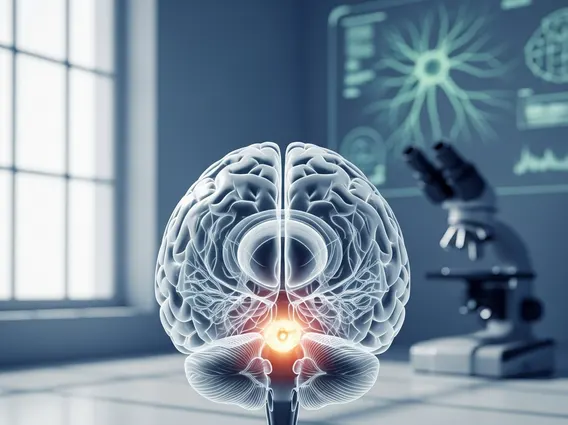
A Brain Stem Tumor refers to an abnormal growth of cells located within the brain stem. The brain stem is a vital part of the brain, connecting the cerebrum and cerebellum to the spinal cord. It controls many essential involuntary functions, including breathing, heart rate, blood pressure, consciousness, and sleep. Tumors in this region can be either benign (non-cancerous) or malignant (cancerous), and they can significantly impair these critical functions due to their sensitive location.
These tumors are relatively rare but can occur in both children and adults, though certain types are more prevalent in specific age groups. For instance, diffuse intrinsic pontine glioma (DIPG) is a highly aggressive type of brain stem tumor predominantly found in children. The precise nature and location of the tumor within the brain stem dictate the specific challenges and treatment approaches.
Brain Stem Tumor Symptoms and Causes
The manifestation of a brain stem tumor symptoms and signs can vary widely depending on the tumor’s exact location, size, and rate of growth. Because the brain stem controls numerous vital functions and pathways, even small tumors can cause significant neurological deficits. Common symptoms often include:
- Difficulty with balance and coordination (ataxia)
- Weakness or numbness on one side of the body or face
- Problems with swallowing (dysphagia) or speaking (dysarthria)
- Double vision or other visual disturbances
- Headaches, often accompanied by nausea and vomiting
- Changes in personality or behavior
- Hearing loss or ringing in the ears
Regarding brain stem tumor causes and risk factors, the exact etiology is often unknown. Most brain tumors, including those in the brain stem, are sporadic, meaning they occur without a clear identifiable cause. However, some genetic syndromes have been linked to an increased risk of developing brain tumors, such as Neurofibromatosis Type 1 (NF1) and Li-Fraumeni syndrome. Exposure to high doses of radiation, particularly in childhood, is another known risk factor for developing various brain tumors, though this is less commonly associated with primary brain stem tumors. Research continues to explore genetic, environmental, and lifestyle factors that might contribute to their development.
Diagnosing and Prognosing Brain Stem Tumors
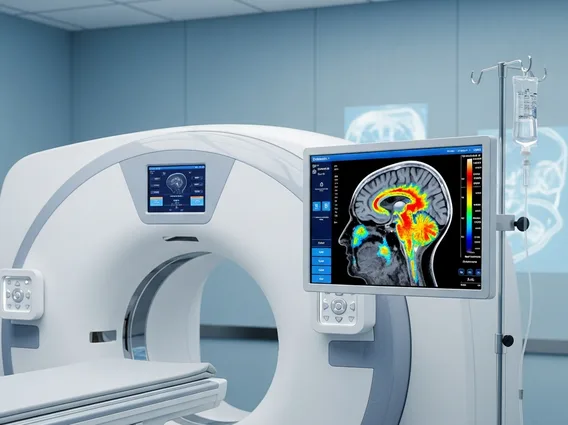
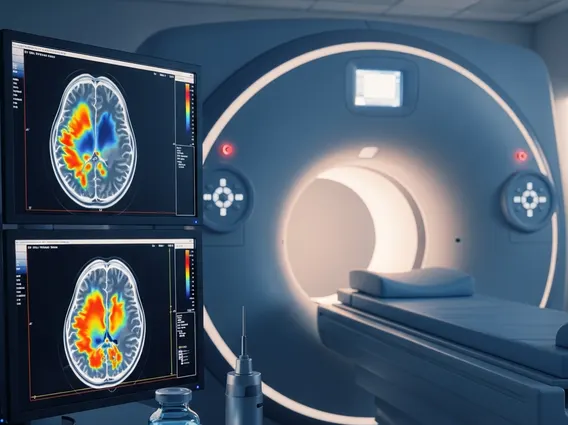
The process of brain stem tumor diagnosis and prognosis begins with a thorough neurological examination to assess reflexes, vision, hearing, balance, coordination, and mental status. Imaging techniques are paramount for confirming the presence of a tumor and determining its characteristics. Magnetic Resonance Imaging (MRI) with contrast is the gold standard, providing detailed images of the brain and brain stem. Computed Tomography (CT) scans may also be used, especially in emergency situations or to detect calcifications.
In some cases, a biopsy may be performed to obtain a tissue sample for pathological examination, which helps determine the exact type and grade of the tumor. However, due to the brain stem’s critical location, a biopsy is not always feasible or safe. The prognosis for a Brain Stem Tumor varies significantly based on several factors, including the tumor’s type (e.g., benign vs. malignant, specific histological subtype), its size and precise location, the patient’s age and overall health, and the tumor’s response to treatment. For instance, according to the Central Brain Tumor Registry of the United States (CBTRUS), the overall 5-year relative survival rate for malignant brain and other nervous system tumors is approximately 36% for children and 34% for adults, with brain stem tumors often having specific, lower survival rates depending on their subtype.
Treatment options typically include surgery (if the tumor is resectable), radiation therapy, and chemotherapy, often used in combination. The goal of treatment is to remove as much of the tumor as safely possible, alleviate symptoms, and improve quality of life, while minimizing damage to the delicate brain stem tissue.