Benign Prostatic Hyperplasia
Benign Prostatic Hyperplasia is a common, non-cancerous enlargement of the prostate gland that can significantly impact urinary function in aging men. Understanding this condition is crucial for effective management and improving quality of life.
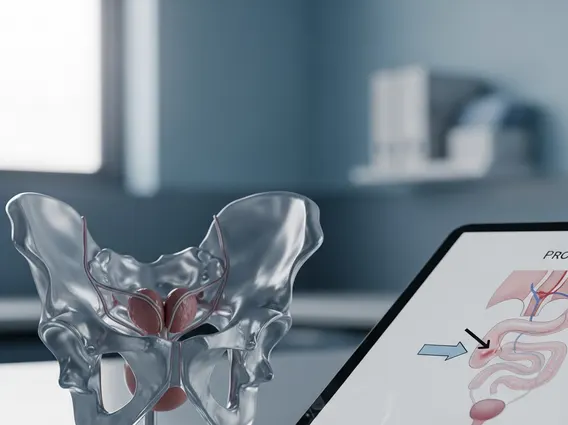
Key Takeaways
- Benign Prostatic Hyperplasia (BPH) is a non-cancerous enlargement of the prostate gland, common in older men.
- Symptoms often include frequent urination, weak stream, and difficulty starting or stopping urination.
- Diagnosis typically involves a physical exam, symptom assessment, and tests like PSA levels and urine flow studies.
- Treatment options range from lifestyle changes and medications to minimally invasive procedures and surgery.
- Early diagnosis and management can help prevent complications and improve urinary health.
What is Benign Prostatic Hyperplasia (BPH)?
Benign Prostatic Hyperplasia (BPH) refers to a condition characterized by the non-cancerous growth of cells in the prostate gland, leading to its enlargement. This enlargement can compress the urethra, the tube that carries urine from the bladder out of the body, causing various urinary symptoms. It is one of the most common conditions affecting men as they age, with prevalence increasing significantly after the age of 50. For instance, it is estimated that BPH affects about 50% of men in their 50s and up to 90% of men in their 80s, according to data from organizations like the National Institute of Diabetes and Digestive and Kidney Diseases (NIDDK).
The prostate gland is a small, walnut-sized gland located just below the bladder in men, surrounding the urethra. Its primary function is to produce seminal fluid, which nourishes and transports sperm. As the prostate grows larger due to BPH, it can obstruct the flow of urine, leading to a range of uncomfortable and sometimes debilitating lower urinary tract symptoms (LUTS).
Symptoms, Causes, and Diagnosis of BPH
The symptoms associated with BPH can vary in severity among individuals but generally fall into two categories: obstructive and irritative. Obstructive symptoms are caused by the enlarged prostate blocking urine flow, while irritative symptoms result from the bladder working harder to push urine past the obstruction.
Common BPH symptoms include:
- Frequent or urgent need to urinate
- Increased frequency of urination at night (nocturia)
- Difficulty starting urination
- Weak urine stream or a stream that stops and starts
- Dribbling at the end of urination
- Inability to completely empty the bladder
The exact causes of BPH are not fully understood, but it is primarily believed to be linked to aging and hormonal changes, particularly involving testosterone and dihydrotestosterone (DHT). As men age, the balance of hormones can shift, leading to prostate cell growth. Other potential risk factors include family history and certain medical conditions like obesity and heart disease.
Diagnosing BPH typically involves a comprehensive evaluation by a healthcare provider. This process often begins with a detailed medical history and a physical examination, including a digital rectal exam (DRE) to assess the size and texture of the prostate. Further diagnostic tests may include a prostate-specific antigen (PSA) blood test to rule out prostate cancer, a urinalysis to check for infection or blood, and urine flow studies to measure the speed and volume of urination. A post-void residual volume test may also be performed to determine how much urine remains in the bladder after urination, indicating incomplete emptying.
Treatment Options for Benign Prostatic Hyperplasia
The choice of Benign Prostatic Hyperplasia treatment options depends on the severity of symptoms, the size of the prostate, and the patient’s overall health and preferences. For men with mild symptoms, watchful waiting and lifestyle modifications may be recommended. These changes can include reducing fluid intake before bedtime, avoiding caffeine and alcohol, and regular exercise.
Medications are often the first line of treatment for moderate to severe symptoms. Alpha-blockers (e.g., tamsulosin) help relax the muscles in the prostate and bladder neck, improving urine flow. 5-alpha reductase inhibitors (e.g., finasteride) work by shrinking the prostate gland over time. Sometimes, a combination of these medications is prescribed. For some men, minimally invasive procedures offer an alternative to traditional surgery. These procedures, such as transurethral resection of the prostate (TURP), prostatic urethral lift (UroLift), or water vapor thermal therapy (Rezum), aim to remove or reduce prostate tissue to relieve obstruction with fewer risks and a quicker recovery than open surgery.
In cases where medication and minimally invasive procedures are ineffective or symptoms are severe, surgical intervention may be necessary. TURP is the most common surgical procedure for BPH, involving the removal of excess prostate tissue through the urethra. Other surgical options include laser surgery and open prostatectomy for very large prostates. It is important to discuss all available options with a healthcare professional to determine the most appropriate course of action. While some men explore complementary therapies, it is crucial to remember that such approaches are supportive only and do not replace conventional medical treatment.