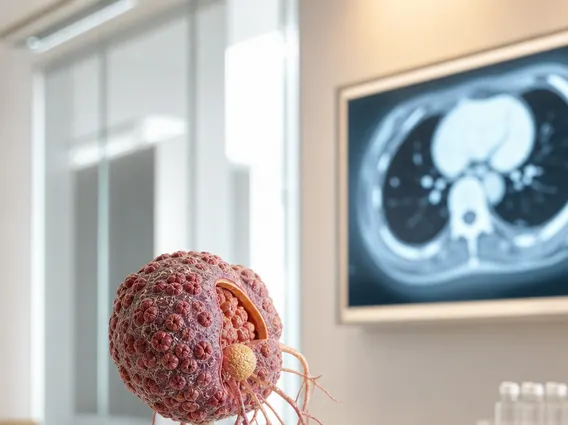
B Cell Acute Lymphocytic Leukemia
B Cell Acute Lymphocytic Leukemia is a rapidly progressing cancer of the blood and bone marrow, primarily affecting a type of white blood cell called B lymphocytes. This condition requires prompt diagnosis and treatment due to its aggressive nature.

Key Takeaways
- B Cell Acute Lymphocytic Leukemia (B-cell ALL) is an aggressive cancer originating in B lymphocytes within the bone marrow.
- Symptoms often include fatigue, fever, easy bruising, and bone pain, necessitating timely medical evaluation.
- Diagnosis involves blood tests, bone marrow biopsy, and genetic analysis to confirm the type and characteristics of the leukemia.
- While the exact causes are often unknown, certain genetic factors and environmental exposures are thought to contribute to its development.
- Treatment typically involves intensive chemotherapy, with options like targeted therapy, immunotherapy, and stem cell transplant available for specific cases.
What is B Cell Acute Lymphocytic Leukemia (B-cell ALL)?
B Cell Acute Lymphocytic Leukemia (B-cell ALL) is a type of cancer that starts in the early forms of B lymphocytes, a kind of white blood cell, in the bone marrow. These abnormal cells, called lymphoblasts, multiply rapidly and crowd out healthy blood cells, impairing the body’s ability to fight infection, carry oxygen, and stop bleeding. B-cell ALL is the most common type of acute lymphocytic leukemia and is particularly prevalent in children, accounting for approximately 75% of all childhood leukemia cases. According to the American Cancer Society, about 6,500 new cases of acute lymphocytic leukemia (ALL) are diagnosed in the U.S. each year, with roughly 60% occurring in children.
This aggressive leukemia requires immediate and intensive treatment. If left untreated, the cancerous B cells can spread quickly from the bone marrow to the blood and other organs, including the lymph nodes, spleen, liver, central nervous system, and testicles.
Symptoms, Diagnosis, and Causes of B-cell Acute Lymphocytic Leukemia
Recognizing the signs and understanding the diagnostic process are crucial for managing this condition. B-cell ALL symptoms and diagnosis often present as non-specific signs, which can sometimes be mistaken for common childhood illnesses or other less severe conditions. However, their persistence or severity should prompt medical attention. Common symptoms arise from the bone marrow’s inability to produce enough healthy blood cells:
- Anemia: Caused by a lack of red blood cells, leading to fatigue, weakness, pallor, and shortness of breath.
- Infections: Due to a shortage of functional white blood cells, resulting in frequent fevers and recurrent infections.
- Bleeding/Bruising: A deficiency in platelets can cause easy bruising, nosebleeds, gum bleeding, or tiny red spots on the skin (petechiae).
- Pain: Bone and joint pain, often in the legs or arms, is common as the bone marrow expands with leukemia cells.
- Swelling: Enlarged lymph nodes (in the neck, armpits, or groin), spleen, or liver can cause abdominal discomfort or a feeling of fullness.
Diagnosis typically begins with a complete blood count (CBC) which often reveals abnormal numbers of white blood cells, red blood cells, and platelets. A definitive diagnosis is made through a bone marrow aspiration and biopsy, where samples of bone marrow are examined under a microscope for the presence of lymphoblasts. Further tests, such as flow cytometry, cytogenetics, and molecular testing, are performed on these samples to confirm the B-cell lineage, identify specific genetic abnormalities, and help guide treatment decisions.
The causes of B cell acute lymphoblastic leukemia are not fully understood, but it is believed to result from a combination of genetic and environmental factors. B-cell Acute Lymphocytic Leukemia is often referred to as B-cell Acute Lymphoblastic Leukemia (B-cell ALL) due to the immature nature of the affected cells. While most cases occur without a clear identifiable cause, certain risk factors have been identified. These include genetic syndromes like Down syndrome, Bloom syndrome, and Fanconi anemia. Exposure to high levels of radiation or certain chemicals, such as benzene, has also been linked to an increased risk, though these are rare occurrences. It is important to note that in the vast majority of cases, B-cell ALL is not inherited from parents.
Treatment Options for B-cell Acute Lymphocytic Leukemia
The treatment options for B-cell ALL are intensive and typically involve several phases, tailored to the patient’s age, specific genetic abnormalities of the leukemia cells, and how the disease responds to initial therapy. The primary goal is to achieve complete remission, which means no detectable leukemia cells in the bone marrow or blood. Treatment protocols are often complex and delivered at specialized cancer centers.
The mainstays of treatment include:
- Chemotherapy: This is the cornerstone of B-cell ALL treatment and involves using powerful drugs to kill cancer cells. It typically consists of three phases: induction (to achieve remission), consolidation (to kill remaining leukemia cells), and maintenance (to prevent relapse).
- Targeted Therapy: These drugs specifically target vulnerabilities in cancer cells, often based on specific genetic mutations. For example, tyrosine kinase inhibitors are used for B-cell ALL with the Philadelphia chromosome.
- Immunotherapy: This approach uses the body’s own immune system to fight cancer. Chimeric antigen receptor (CAR) T-cell therapy, for instance, involves genetically modifying a patient’s T cells to recognize and attack leukemia cells.
- Radiation Therapy: While less common for the primary treatment of B-cell ALL, radiation may be used to treat leukemia that has spread to the brain or spinal cord, or as part of a conditioning regimen before a stem cell transplant.
- Stem Cell Transplant (Bone Marrow Transplant): This procedure replaces diseased bone marrow with healthy stem cells, usually from a donor. It is often considered for patients with high-risk B-cell ALL or those who have relapsed after initial chemotherapy.
Treatment for B-cell ALL is highly effective, especially in children, with cure rates often exceeding 90% in pediatric patients, according to the National Cancer Institute. For adults, while outcomes have improved, they remain generally lower than for children. Ongoing research continues to develop more effective and less toxic therapies to improve outcomes for all patients.