Isolated Limb Perfusion
Isolated Limb Perfusion (ILP) is a specialized surgical technique used in oncology to deliver high-dose chemotherapy directly to a limb affected by cancer, minimizing systemic exposure to the rest of the body. This targeted approach aims to maximize drug concentration at the tumor site while reducing severe side effects.
Key Takeaways
- Isolated Limb Perfusion (ILP) is a regional chemotherapy technique for delivering high-dose anti-cancer drugs directly to a limb.
- The procedure involves surgically isolating the limb’s blood supply, perfusing it with chemotherapy, and then flushing the limb before re-establishing normal circulation.
- ILP is primarily used for advanced melanoma and soft tissue sarcomas that are confined to an arm or leg.
- It offers the advantage of delivering significantly higher drug concentrations to the tumor while minimizing systemic toxicity.
- Patients typically undergo careful selection and monitoring due to the specialized nature of the procedure.
What is Isolated Limb Perfusion (ILP)?
Isolated Limb Perfusion (ILP) is a highly specialized regional chemotherapy technique designed to treat cancers confined to an arm or a leg. This innovative approach involves surgically isolating the blood supply of the affected limb from the rest of the body’s circulatory system. During this isolation, a high concentration of anti-cancer drugs is circulated directly through the limb for a specific period, targeting tumor cells while significantly limiting the drug’s exposure to vital organs elsewhere in the body. The primary goal of ILP is to achieve a potent local anti-tumor effect, which can lead to tumor shrinkage or eradication, potentially avoiding amputation for some patients. This method allows for drug doses that would be too toxic if administered systemically.
The Isolated Limb Perfusion Procedure
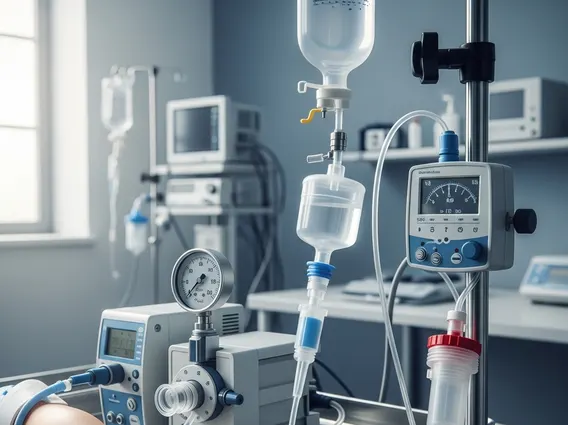
The isolated limb perfusion procedure is a complex surgical undertaking requiring a multidisciplinary team. It typically involves several key steps to ensure both efficacy and patient safety. First, the major arteries and veins supplying the affected limb are surgically exposed. Tourniquets are then applied to completely isolate the limb’s circulation from the systemic circulation. Cannulas are inserted into these vessels, connecting the limb to an external heart-lung machine, which acts as a bypass circuit. This machine warms the perfusate (the chemotherapy solution) to a specific temperature and circulates it through the limb for approximately 60 to 90 minutes. After the perfusion period, the limb is thoroughly flushed with a saline solution to remove residual chemotherapy drugs before the tourniquets are released and normal blood flow is restored.
- Surgical Isolation: Major blood vessels of the affected limb are exposed and isolated using tourniquets.
- Bypass Connection: The limb’s circulation is connected to an external pump-oxygenator system.
- Chemotherapy Delivery: High-dose anti-cancer agents are circulated through the limb for a set duration.
- Flushing and Reperfusion: The limb is flushed to remove drugs, and normal circulation is re-established.
Benefits and Cancer Applications of ILP
The primary isolated limb perfusion benefits stem from its ability to deliver extremely high concentrations of chemotherapy agents directly to the tumor site, often 10 to 20 times higher than what could be safely administered systemically. This localized delivery minimizes systemic side effects such as nausea, hair loss, and bone marrow suppression, which are common with conventional chemotherapy. For patients with advanced, localized limb cancers, ILP can offer a limb-sparing alternative to amputation, improving quality of life.
The main isolated limb perfusion cancer applications are for specific types of malignancies that are confined to an extremity. These include advanced, recurrent melanoma that has spread within the limb but not to distant organs, and certain types of soft tissue sarcomas localized to an arm or leg that are not amenable to standard surgical resection alone or have recurred. While ILP is a powerful tool, patient selection is crucial, and it is typically considered for cases where other treatment options are less effective or carry greater risks. The procedure has demonstrated significant success rates in achieving local tumor control, with studies showing high response rates in carefully selected patient populations, often leading to durable remission and limb preservation.