
Ischemic Necrosis
Ischemic necrosis refers to the death of tissue cells caused by a severe reduction or complete interruption of blood supply to an area. This critical deprivation of oxygen and nutrients is essential for cell survival and can lead to irreversible damage.
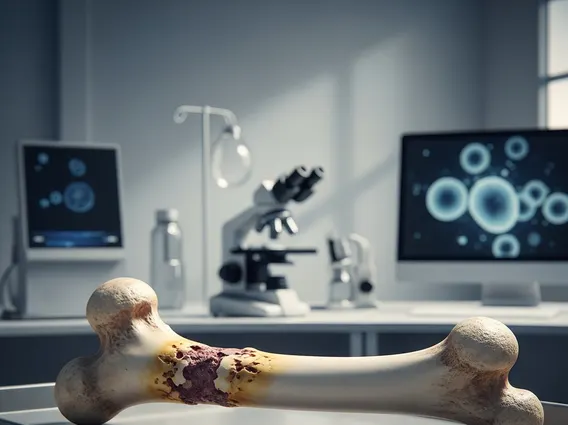
Key Takeaways
- Ischemic Necrosis is tissue death resulting from insufficient blood flow.
- It can affect various organs, including bone, heart, and brain.
- Causes often include blood clots, atherosclerosis, or trauma.
- Diagnosis relies on imaging techniques and clinical evaluation.
- Treatment aims to restore blood flow and preserve tissue function.
What is Ischemic Necrosis?
Ischemic Necrosis is a medical condition characterized by the death of cells and tissues due to a lack of blood supply, known as ischemia. When blood flow to a specific area of the body is severely reduced or completely blocked, cells are deprived of the oxygen and nutrients they need to survive, leading to cellular injury and ultimately necrosis (tissue death).
This process can affect any tissue or organ in the body. Common examples include osteonecrosis (bone tissue death), myocardial infarction (heart muscle death due to blocked coronary arteries), and ischemic stroke (brain tissue death due to blocked cerebral arteries). The extent of damage depends on the duration and severity of the ischemia, with prompt restoration of blood flow being critical to prevent permanent tissue loss.
Causes, Symptoms, and Diagnosis of Ischemic Necrosis
The underlying **ischemic necrosis causes** are diverse, often stemming from conditions that impede normal blood circulation. These can include blood clots (thrombosis or embolism), severe atherosclerosis (hardening and narrowing of arteries), trauma leading to vessel damage, external compression of blood vessels, or certain medical conditions like sickle cell disease, vasculitis, or decompression sickness. Prolonged pressure on tissues, as seen in bedsores, can also lead to localized ischemic necrosis.
The **ischemic necrosis symptoms** vary significantly depending on the affected body part, but common indicators often include:
- Severe pain in the affected area, which may worsen with activity.
- Limited range of motion or weakness in a joint or limb.
- Swelling or tenderness around the affected site.
- Skin discoloration, coolness, or numbness if superficial tissues are involved.
- Loss of function in the affected organ or limb.
**Diagnosing ischemic necrosis** typically involves a comprehensive approach. A physician will review the patient’s medical history and conduct a physical examination to identify signs and symptoms. Imaging studies are crucial for confirming the diagnosis and assessing the extent of tissue damage. These may include X-rays, Magnetic Resonance Imaging (MRI), Computed Tomography (CT) scans, or angiography to visualize blood vessels and detect blockages or areas of reduced blood flow. Blood tests may also be performed to identify underlying systemic conditions contributing to the ischemia.
Treatment Approaches for Ischemic Necrosis
The primary goals of **ischemic necrosis treatment** are to restore blood flow to the affected tissue, manage pain, and preserve or improve the function of the compromised area. Early intervention is paramount to minimize irreversible damage and prevent further tissue death. The specific treatment strategy depends on the location, severity, and underlying cause of the necrosis.
Treatment options can range from conservative management to surgical interventions. Non-surgical approaches may include pain medication, anti-inflammatory drugs, physical therapy to maintain joint mobility, and lifestyle modifications. For conditions involving blood clots, anticoagulant medications or thrombolytics may be used to dissolve the clot and restore blood flow. More invasive procedures can include surgical revascularization techniques, such as bypass surgery or angioplasty with stenting, to open blocked arteries. In severe cases where tissue is extensively damaged and cannot be salvaged, surgical debridement (removal of necrotic tissue) or even amputation may be necessary to prevent infection and further complications.
Managing ischemic necrosis often requires a multidisciplinary team, including orthopedists, vascular surgeons, cardiologists, neurologists, and physical therapists, to provide comprehensive care tailored to the individual patient’s needs.



















