Ischemia
Ischemia is a critical medical condition characterized by an insufficient blood supply to an organ or part of the body. This reduction in blood flow deprives tissues of vital oxygen and nutrients, which can lead to cellular damage and, if prolonged, tissue death.
Key Takeaways
- Ischemia is the restriction of blood supply to tissues, causing a shortage of oxygen and glucose needed for cellular metabolism.
- It can affect various parts of the body, including the heart (myocardial ischemia), brain (cerebral ischemia), and limbs (peripheral ischemia).
- Common causes include atherosclerosis, blood clots, and vasospasm, often exacerbated by risk factors like high blood pressure and diabetes.
- Symptoms vary depending on the affected area but frequently include pain, numbness, and functional impairment.
- Treatment focuses on restoring blood flow through medications, medical procedures, or surgical interventions, alongside lifestyle modifications.
What is Ischemia?
Ischemia refers to a condition where there is an inadequate blood supply to an organ or part of the body. This diminished blood flow results in a shortage of oxygen and nutrients essential for cellular function, while also impairing the removal of metabolic waste products. The severity and duration of ischemia determine the extent of tissue damage, ranging from temporary dysfunction to irreversible cell death, known as infarction.
Globally, cardiovascular diseases, which often involve ischemic events, are the leading cause of death, accounting for an estimated 17.9 million lives each year, according to the World Health Organization (WHO). Understanding the underlying mechanisms of ischemia is crucial for effective prevention and treatment strategies.
Types, Symptoms, and Causes of Ischemia
The manifestation of ischemia varies significantly depending on the affected organ or tissue. Recognizing the specific types of ischemia is vital for accurate diagnosis and timely intervention. These types are often categorized by the location of the reduced blood flow.
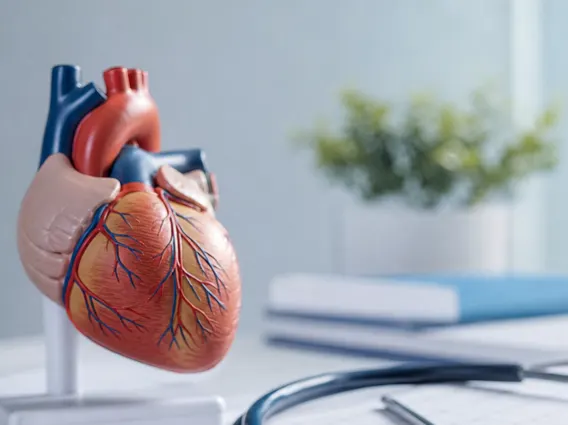
- Myocardial Ischemia: Affects the heart muscle, often leading to angina (chest pain) or a heart attack.
- Cerebral Ischemia: Impacts the brain, potentially causing a stroke or transient ischemic attack (TIA), with symptoms like sudden weakness, numbness, or speech difficulties.
- Peripheral Ischemia: Occurs in the limbs, particularly the legs, resulting in pain, numbness, tingling, and potentially non-healing sores.
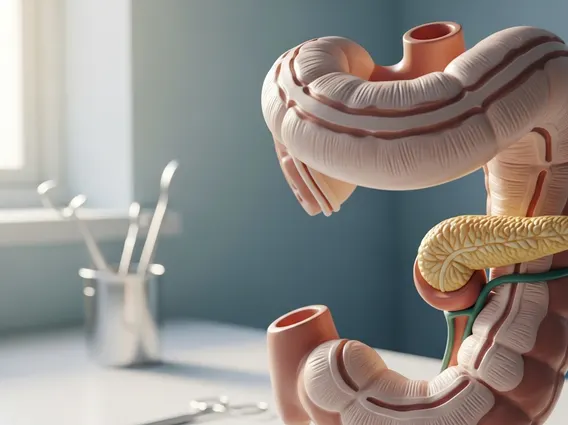
- Mesenteric Ischemia: Affects the intestines, causing severe abdominal pain, nausea, and vomiting.
The ischemia symptoms causes are interconnected. Symptoms arise directly from the lack of oxygen and nutrients, while causes are the underlying conditions restricting blood flow. Common symptoms include pain in the affected area, numbness, tingling, weakness, and functional impairment. For instance, chest pain is characteristic of cardiac ischemia, while leg pain during walking (claudication) points to peripheral ischemia.
The primary causes of ischemia involve obstructions or narrowing of blood vessels. Atherosclerosis, the buildup of plaque in arteries, is a leading cause. Other significant factors include blood clots (thrombosis or embolism), vasospasm (sudden narrowing of blood vessels), and external compression of blood vessels. Risk factors such as high blood pressure, high cholesterol, diabetes, smoking, and obesity significantly increase the likelihood of developing ischemic conditions.
Ischemia Treatment and Management
The overarching goal of ischemia definition and treatment is to restore adequate blood flow to the affected tissues, alleviate symptoms, and prevent further damage. The specific approach depends on the type, severity, and underlying cause of the ischemia, as well as the patient’s overall health.
Treatment options often include a combination of medical therapies, interventional procedures, and lifestyle modifications. Medications such as anticoagulants (blood thinners), antiplatelet drugs, vasodilators, and cholesterol-lowering agents are frequently prescribed to improve blood flow and reduce the risk of clot formation. For more severe blockages, interventional procedures like angioplasty and stenting can open narrowed arteries, while bypass surgery may be performed to create new pathways for blood flow around obstructions.
Lifestyle changes are crucial for managing ischemia and preventing recurrence. These include adopting a heart-healthy diet, engaging in regular physical activity, quitting smoking, and managing chronic conditions like diabetes and high blood pressure. Early diagnosis and prompt treatment are essential to minimize tissue damage and improve patient outcomes.