Hyperuricemia
Hyperuricemia is a medical condition characterized by elevated levels of uric acid in the blood. This article explores its definition, common causes, associated symptoms, and various treatment approaches to manage the condition effectively.
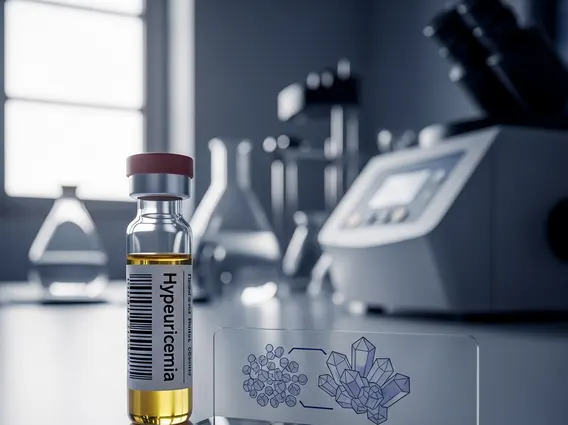
Key Takeaways
- Hyperuricemia is defined by abnormally high levels of uric acid in the bloodstream, often leading to crystal formation.
- Common causes include diet, genetics, certain medications, and underlying health conditions like kidney disease.
- Symptoms can range from asymptomatic to severe conditions like gout, kidney stones, and chronic kidney disease.
- Treatment involves lifestyle modifications, dietary changes, and medications to lower uric acid levels and manage symptoms.
- Early diagnosis and management are crucial to prevent long-term complications and improve quality of life.
What is Hyperuricemia?
Hyperuricemia refers to a metabolic condition marked by an excess of uric acid in the blood. Uric acid is a waste product from purine breakdown, naturally found in the body and many foods. Normally, it dissolves in blood, passes through the kidneys, and is excreted. However, if the body produces too much uric acid or kidneys excrete too little, levels rise. These high uric acid levels explained can lead to uric acid crystal formation, depositing in joints, kidneys, and other tissues.
While some individuals are asymptomatic, others develop significant health problems like gout, a painful inflammatory arthritis. Gout affects approximately 4% of adults in the United States, with hyperuricemia as the primary risk factor, according to the National Institute of Arthritis and Musculoskeletal and Skin Diseases (NIAMS).
Causes and Symptoms of High Uric Acid
Understanding the factors contributing to hyperuricemia causes and symptoms is essential. Elevated uric acid can stem from genetics, lifestyle, and underlying medical conditions. The primary mechanisms are the body’s inability to excrete uric acid or its overproduction.
Common causes include:
- Dietary Factors: High-purine foods (red meat, seafood, organ meats), sugary drinks, and alcohol (especially beer) increase uric acid.
- Kidney Dysfunction: Impaired kidney function reduces uric acid filtration and excretion.
- Certain Medications: Diuretics, low-dose aspirin, and some immunosuppressants can elevate uric acid.
- Medical Conditions: Obesity, metabolic syndrome, hypertension, diabetes, hypothyroidism, and conditions with rapid cell turnover (e.g., psoriasis) are often associated.
- Genetics: A family history of gout or hyperuricemia increases risk.
While many with hyperuricemia are asymptomatic, elevated uric acid can manifest through several symptoms and complications:
- Gout: Sudden, severe attacks of pain, swelling, redness, and tenderness in joints, often the big toe.
- Kidney Stones: Uric acid crystals form stones, causing severe pain, blood in urine, and urinary tract infections.
- Tophi: Chronic gout can lead to hard, painless uric acid crystal lumps under the skin, damaging joints.
- Chronic Kidney Disease: Persistent high uric acid can contribute to kidney disease progression.
Hyperuricemia Treatment Options
Effectively managing hyperuricemia involves lifestyle modifications and, if necessary, medication to lower uric acid and prevent complications. The approach to how to treat hyperuricemia depends on whether the individual is symptomatic or asymptomatic, and the severity of their uric acid levels.
Lifestyle and dietary changes are often the first line of defense:
- Dietary Adjustments: Reduce high-purine foods, sugary drinks, and alcohol. Emphasize fruits, vegetables, whole grains, and low-fat dairy.
- Weight Management: Losing excess weight significantly reduces uric acid and improves kidney function.
- Hydration: Drinking plenty of water aids kidney excretion of uric acid.
- Regular Exercise: Contributes to overall health and weight management.
For symptomatic hyperuricemia or high-risk individuals, medical treatment may be necessary. Medications typically fall into two categories:
- Uric Acid-Lowering Drugs: Allopurinol, febuxostat, and probenecid decrease uric acid production or increase excretion.
- Anti-inflammatory Medications: Nonsteroidal anti-inflammatory drugs (NSAIDs), colchicine, or corticosteroids manage acute gout pain and inflammation.
It is important to consult a healthcare professional for an accurate diagnosis and a personalized treatment plan. Self-treating or relying solely on complementary therapies is not recommended; these should only be supportive and do not replace conventional medical treatment.