Hot Flash
A Hot Flash is a sudden feeling of intense heat, often accompanied by sweating and flushing, primarily affecting the face, neck, and chest. While commonly associated with menopause, these episodes can occur due to various underlying conditions, impacting an individual’s comfort and quality of life.
Key Takeaways
- Hot Flashes are sudden, intense sensations of heat, often with sweating and flushing.
- They are most commonly linked to hormonal changes during menopause but can have other causes.
- Symptoms include a sudden feeling of warmth, sweating, red skin, and sometimes a rapid heartbeat.
- Relief strategies range from lifestyle adjustments and avoiding triggers to medical therapies.
- Consulting a healthcare provider is crucial for diagnosis and personalized management.
Understanding What a Hot Flash Is
A Hot Flash refers to a transient sensation of heat that spreads rapidly throughout the body, particularly the face, neck, and chest. These episodes are often accompanied by profuse sweating, skin redness (flushing), and sometimes heart palpitations. While the exact mechanism is not fully understood, it is believed to involve a temporary malfunction of the hypothalamus, the part of the brain responsible for regulating body temperature. When the hypothalamus mistakenly perceives the body as being too hot, it triggers a series of responses to cool down, leading to the characteristic symptoms of a Hot Flash. These episodes can vary significantly in intensity and duration, lasting from a few seconds to several minutes, and can occur multiple times a day or only occasionally.
Hot Flash Symptoms and Causes
Recognizing the specific manifestations of these episodes is key to understanding their impact. The primary hot flash symptoms include a sudden onset of warmth, often described as a wave of heat, spreading across the upper body. This is frequently followed by heavy sweating, particularly on the forehead and upper lip, and a noticeable reddening of the skin. Some individuals may also experience a rapid or irregular heartbeat, anxiety, or a feeling of pressure in the head. These symptoms can be disruptive, especially when they occur at night, leading to sleep disturbances and fatigue.
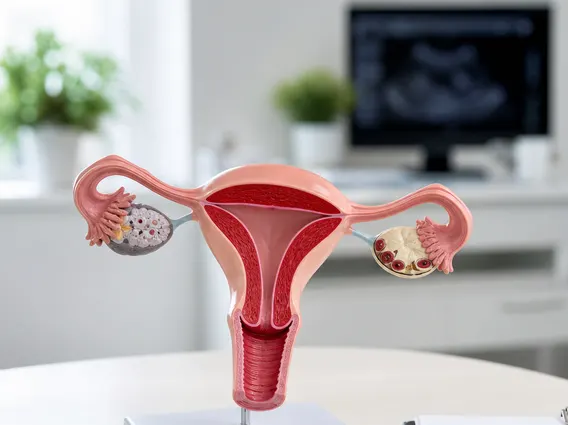
The causes of hot flashes are diverse, though hormonal fluctuations are the most common culprits. The most prevalent cause is the decline in estrogen levels during perimenopause and menopause, affecting up to 80% of women transitioning through this stage. (Source: North American Menopause Society). However, other factors can also trigger or exacerbate these episodes:
- Hormonal Changes: Beyond menopause, conditions like premature ovarian insufficiency, surgical removal of ovaries, or certain endocrine disorders can lead to hormonal imbalances that cause Hot Flashes.
- Medical Treatments: Some cancer treatments, particularly those that suppress hormone production (e.g., tamoxifen for breast cancer, androgen deprivation therapy for prostate cancer), are known to induce Hot Flashes.
- Medications: Certain prescription drugs, including some antidepressants, opioids, and medications for osteoporosis, can have Hot Flashes as a side effect.
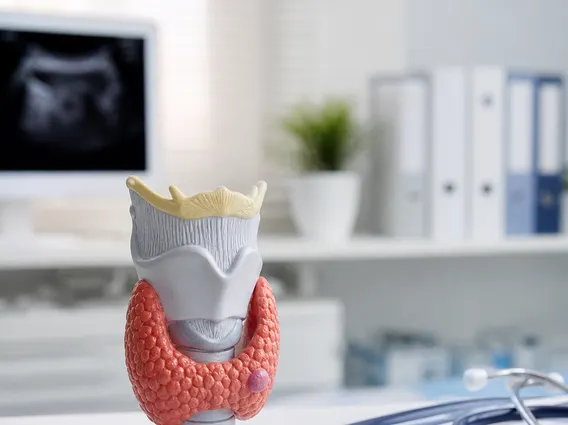
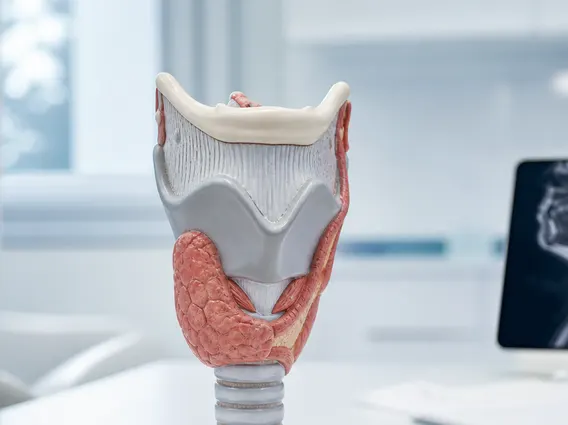
- Underlying Medical Conditions: Less commonly, Hot Flashes can be a symptom of conditions such as hyperthyroidism, pheochromocytoma, or certain neurological disorders.
- Lifestyle Factors: Diet, stress, alcohol consumption, and smoking can act as triggers for individuals prone to Hot Flashes.
How to Relieve Hot Flashes
Managing Hot Flashes involves a combination of lifestyle adjustments, trigger avoidance, and, when necessary, medical interventions. The goal is to reduce the frequency and severity of episodes, improving overall comfort and quality of life.
Lifestyle modifications are often the first line of defense. Identifying and avoiding personal triggers is crucial; common triggers include spicy foods, caffeine, alcohol, hot beverages, and warm environments. Dressing in layers allows for easy removal of clothing when a Hot Flash begins. Keeping the bedroom cool, using fans, and wearing breathable fabrics like cotton can also help. Stress reduction techniques such as meditation, yoga, or deep breathing exercises may also be beneficial, as stress can exacerbate Hot Flashes.
For more persistent or severe Hot Flashes, medical treatments may be considered:
| Treatment Category | Examples/Mechanism | Considerations |
|---|---|---|
| Hormone Therapy (HT) | Estrogen therapy (ET) or estrogen-progestin therapy (EPT) replaces declining hormones. | Highly effective for menopausal Hot Flashes; risks and benefits should be discussed with a doctor. |
| Non-Hormonal Medications | Certain antidepressants (SSRIs, SNRIs), gabapentin, or clonidine. | Alternative for those who cannot or prefer not to use HT; may have different side effects. |
| Over-the-Counter/Supplements | Black cohosh, soy isoflavones (evidence of efficacy varies and is often limited). | Always consult a healthcare provider before starting any supplements due to potential interactions and side effects. |
It is important to consult a healthcare provider to determine the underlying cause of Hot Flashes and to discuss the most appropriate and safe treatment plan. While some complementary therapies exist, their efficacy is often not scientifically proven, and they should not replace conventional medical advice or treatment.