Heterocyclic Amine
Heterocyclic Amines (HCAs) are a group of chemical compounds formed during the high-temperature cooking of protein-rich foods, particularly meats. These compounds are of significant interest in medical and oncology research due to their potential role as pro-carcinogens.

Key Takeaways
- Heterocyclic Amine (HCA) is a class of chemical compounds primarily formed when meat and other protein-rich foods are cooked at high temperatures.
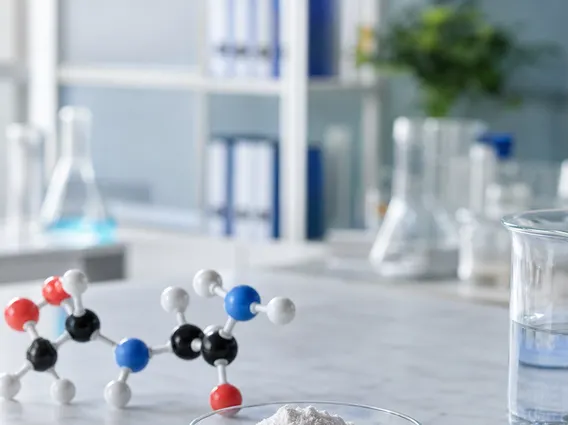
- Their molecular heterocyclic amine structure features a heterocyclic ring containing at least one nitrogen atom, alongside an amine group.
- HCAs are considered pro-carcinogens, meaning they can be metabolized in the body into reactive forms that may damage DNA.
- Common heterocyclic amine examples include PhIP and MeIQx, frequently found in grilled, pan-fried, or well-done meats.
- Research suggests a potential link between high consumption of HCA-containing foods and an increased risk of certain cancers.
What is a Heterocyclic Amine?
A heterocyclic amine definition refers to a chemical compound that contains at least one heterocyclic ring, which is a ring structure with atoms of at least two different elements, and an amine group. In the context of health and oncology, Heterocyclic Amines (HCAs) are a class of mutagenic and carcinogenic compounds formed when amino acids, creatine, and sugars in meat and other protein-rich foods react at high temperatures (typically above 302°F or 150°C) during cooking processes such as grilling, pan-frying, broiling, and barbecuing. These compounds are not naturally present in uncooked foods but develop as a result of the Maillard reaction, a complex series of chemical changes responsible for the browning and characteristic flavors of cooked foods. The presence of HCAs in the diet has raised public health concerns due to their potential to contribute to cancer risk.
Structure and Key Characteristics of Heterocyclic Amines
The defining feature of the heterocyclic amine structure is the presence of a heterocyclic ring, which typically includes carbon and at least one nitrogen atom, along with an exocyclic amine group attached to this ring system. This unique arrangement is crucial to their biological activity. HCAs are generally planar molecules, a characteristic that allows them to intercalate into DNA, potentially leading to mutations. Their formation is highly dependent on cooking conditions, with higher temperatures and longer cooking times leading to increased HCA concentrations. The type of meat, fat content, and cooking method also influence the specific types and amounts of HCAs produced.
Key characteristics of Heterocyclic Amines include:
- Formation Mechanism: Primarily formed through the Maillard reaction, involving amino acids, creatine, and sugars.
- Temperature Dependence: Higher cooking temperatures and longer cooking times significantly increase HCA formation.
- Metabolic Activation: HCAs are pro-carcinogens, meaning they require metabolic activation by enzymes in the body (e.g., cytochrome P450 enzymes) to become reactive electrophiles that can bind to DNA.
- Mutagenic Potency: Different HCAs exhibit varying degrees of mutagenic and carcinogenic potency, with some being significantly more potent than others.
Common Examples of Heterocyclic Amines
Numerous heterocyclic amine examples have been identified in cooked foods, each with distinct structures and varying levels of mutagenicity. These compounds are broadly categorized into two main groups: amino-imidazoazaarenes (AIAs) and non-AIAs. The AIAs are generally considered the most potent mutagens. Some of the most commonly studied and prevalent HCAs include:
- PhIP (2-amino-1-methyl-6-phenylimidazo[4,5-b]pyridine): One of the most abundant HCAs found in cooked beef, chicken, and fish, particularly in well-done or charred portions.
- MeIQx (2-amino-3,8-dimethylimidazo[4,5-f]quinoxaline): Commonly found in pan-fried beef and other cooked meats.
- DiMeIQx (2-amino-3,4,8-trimethylimidazo[4,5-f]quinoxaline): Another significant HCA present in cooked meats.
- IQ (2-amino-3-methylimidazo[4,5-f]quinoline): While less prevalent than PhIP or MeIQx, IQ is highly mutagenic and found in various cooked meats.
Research from organizations like the National Cancer Institute suggests that high consumption of well-done, fried, or barbecued meats, which contain HCAs, may be associated with an increased risk of certain cancers, including colorectal, pancreatic, and prostate cancer. Understanding these compounds is vital for dietary recommendations aimed at reducing potential cancer risks.