Ethiodol
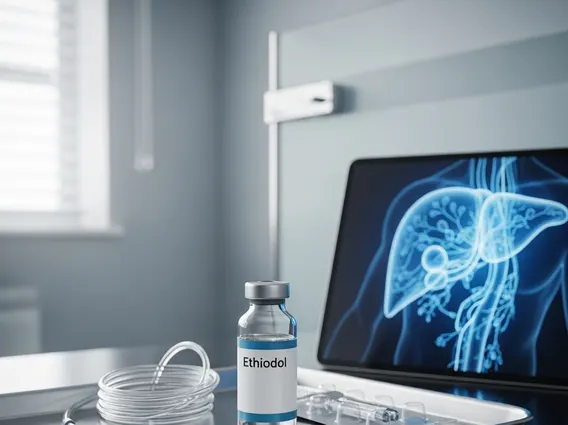
Ethiodol is a specialized iodinated oil used as a contrast agent in various medical imaging and interventional procedures. Its unique properties allow for enhanced visualization of specific anatomical structures, aiding in diagnosis and treatment.
Key Takeaways
- Ethiodol is an iodinated oil primarily used as a radiopaque contrast agent.
- It is applied in diagnostic imaging like lymphography and hysterosalpingography (HSG).
- A significant application is in transarterial chemoembolization (TACE) for liver cancer, acting as both a contrast agent and a drug delivery vehicle.
- Its mechanism involves iodine for radiopacity and its lipophilic nature for sustained drug retention.
- Potential side effects range from mild allergic reactions to more serious complications like pulmonary embolism or oil microembolism.
What is Ethiodol?
Ethiodol is a radiopaque contrast medium consisting of iodinated ethyl esters of the fatty acids of poppy seed oil. This unique composition makes it a dense, oil-based substance that is not readily absorbed by the body, allowing it to remain in specific areas for extended periods. Its primary function in medicine is to enhance visibility during diagnostic imaging procedures, where it helps outline structures that would otherwise be difficult to see on X-rays or fluoroscopy due to its high iodine content.
As a diagnostic agent, Ethiodol is distinct from water-soluble contrast media. Its oily nature dictates its specific applications, particularly in areas where slower absorption and prolonged visualization are beneficial. This characteristic also influences its administration methods and potential side effect profile, making it a specialized tool in the medical imaging arsenal.
Ethiodol: Medical Applications and Mechanism of Action
Ethiodol serves several critical roles in medical diagnostics and interventional oncology. Its versatility stems from its radiopacity and its ability to act as a carrier.
Ethiodol medical applications include:
- Lymphography: Historically, Ethiodol was widely used to visualize the lymphatic system and lymph nodes, helping to detect conditions like lymphoma or metastatic cancer spread. Its slow absorption by lymphatic vessels allows for detailed imaging over several days.
- Hysterosalpingography (HSG): In reproductive medicine, it is used to assess the patency of fallopian tubes and the shape of the uterine cavity, which is crucial for diagnosing infertility causes.
- Transarterial Chemoembolization (TACE): This is a significant interventional oncology application, particularly for hepatocellular carcinoma (HCC). Ethiodol is mixed with chemotherapy drugs and injected directly into the arteries supplying liver tumors.
The mechanism of action for Ethiodol is twofold. Firstly, its high iodine content renders it radiopaque, meaning it absorbs X-rays efficiently, allowing structures filled with it to appear bright on imaging scans. This property is fundamental to its use as a contrast agent. Secondly, in procedures like TACE, Ethiodol’s lipophilic (fat-loving) nature allows it to selectively accumulate and be retained within liver tumors, which often have a higher lipid content than surrounding healthy liver tissue. This selective retention provides a sustained release of the co-mixed chemotherapy drug directly to the tumor, while also causing a temporary embolic effect that restricts blood flow to the tumor, enhancing the therapeutic impact. This dual action makes it invaluable in targeted cancer therapies.
Potential Side Effects of Ethiodol
Like all medical agents, Ethiodol carries a risk of side effects, which can range from mild to severe. Understanding these is crucial for patient safety and informed consent. The specific
Ethiodol side effects can vary depending on the route of administration and the patient’s underlying health status. Common reactions may include transient fever, mild pain at the injection site, or a temporary feeling of discomfort.
More serious, though less common, side effects are typically associated with its oily nature and the potential for microembolism. For instance, after lymphography, some patients may experience pulmonary oil microembolism, where small droplets of Ethiodol travel to the lungs, potentially causing shortness of breath or cough. In TACE procedures, there’s a risk of post-embolization syndrome, characterized by fever, pain, and nausea, as well as potential liver dysfunction or abscess formation. Allergic reactions, though rare, can also occur, presenting as rash, itching, or, in severe cases, anaphylaxis. Contraindications for Ethiodol use generally include known hypersensitivity to iodine, severe pulmonary disease, or significant shunting between lymphatic and venous systems, which could increase the risk of pulmonary complications.