Msi H Cancer
Msi H Cancer, more accurately known as Microsatellite Instability-High (MSI-H) cancer, represents a specific genetic characteristic found in various tumor types. This molecular feature has significant implications for understanding cancer development, diagnosis, and treatment strategies.

Key Takeaways
- Microsatellite Instability-High (MSI-H) indicates a defect in the DNA mismatch repair system within cancer cells.
- This genetic alteration is commonly found in certain cancers, including colorectal, endometrial, and gastric cancers.
- Diagnosis of MSI-H status is crucial and typically involves molecular testing of tumor tissue.
- MSI-H cancers often respond exceptionally well to specific immunotherapies due to their high mutational burden.
- Patients with MSI-H tumors generally have a more favorable prognosis when treated with appropriate targeted therapies.
What is MSI-H (Microsatellite Instability-High) Cancer?
Microsatellite Instability-High (MSI-H) cancer refers to tumors that exhibit a high frequency of mutations in short, repetitive DNA sequences known as microsatellites. This instability arises from a deficiency in the DNA mismatch repair (MMR) system, which is responsible for correcting errors that occur during DNA replication. When the MMR system is not functioning correctly, these errors accumulate, leading to a large number of genetic mutations within the cancer cells.
The MMR system involves several key genes, including MLH1, MSH2, MSH6, and PMS2. Defects in any of these genes can lead to MSI-H status. While MSI-H can be a sporadic event, it is also a hallmark of Lynch syndrome, an inherited condition that increases the risk of several types of cancer. Cancers frequently associated with MSI-H include colorectal cancer (approximately 15% of cases), endometrial cancer, gastric cancer, and certain other solid tumors. The presence of numerous mutations in MSI-H tumors makes them highly immunogenic, meaning they are more easily recognized by the body’s immune system, which has important implications for treatment.
MSI-H Cancer: Symptoms and Diagnosis
The symptoms of MSI-H cancer are generally not distinct from those of other cancers of the same type and stage. Patients may experience common cancer symptoms such as unexplained weight loss, fatigue, pain, or specific symptoms related to the tumor’s location (e.g., changes in bowel habits for colorectal cancer). Therefore, MSI-H cancer symptoms and diagnosis primarily relies on molecular testing of the tumor tissue rather than unique clinical signs.
Identifying MSI-H status is a critical step in modern oncology, especially for certain cancer types. The diagnostic process typically involves analyzing tumor samples obtained through biopsy or surgery. Several methods are used to determine MSI-H status:
- Immunohistochemistry (IHC): This method detects the presence or absence of the four key MMR proteins (MLH1, MSH2, MSH6, PMS2) in tumor cells. Loss of expression of one or more of these proteins indicates a deficient MMR (dMMR) system, which strongly correlates with MSI-H.
- Polymerase Chain Reaction (PCR): PCR-based assays analyze specific microsatellite markers to identify shifts in their length, indicating instability.
- Next-Generation Sequencing (NGS): This advanced genomic sequencing can identify both MSI status and specific mutations in MMR genes, providing a comprehensive molecular profile of the tumor.
Routine testing for MSI-H status is recommended for all newly diagnosed colorectal cancers and endometrial cancers, as it guides treatment decisions and can identify patients who may benefit from genetic counseling for Lynch syndrome.
Treatment Options and Prognosis for MSI-H Cancer
The presence of MSI-H in a tumor significantly influences the choice of treatment, particularly by indicating a strong potential response to immunotherapy. MSI-H cancer treatment options often prioritize immune checkpoint inhibitors. These drugs, such as pembrolizumab and nivolumab, work by blocking proteins that prevent the immune system from attacking cancer cells. Due to the high mutational burden in MSI-H tumors, they produce many abnormal proteins (neoantigens) that the immune system can recognize, making them highly susceptible to immunotherapy.
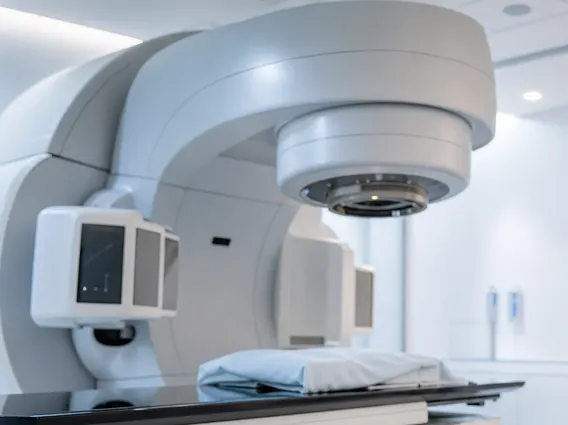
For localized MSI-H cancers, surgery remains a primary treatment option. Chemotherapy may also be used, though its effectiveness varies. For instance, traditional chemotherapy agents like 5-fluorouracil may be less effective in some MSI-H colorectal cancers compared to microsatellite stable (MSS) tumors. Radiation therapy can also be part of a multi-modal treatment plan, depending on the cancer type and stage. The decision for specific treatments is always individualized, considering the cancer type, stage, patient’s overall health, and other molecular characteristics.
Regarding MSI-H cancer prognosis and survival rate, patients with MSI-H tumors generally have a more favorable outlook compared to those with microsatellite stable (MSS) tumors, especially when treated with immunotherapy. For example, in metastatic colorectal cancer, MSI-H status is a strong predictor of response to immune checkpoint inhibitors, leading to improved survival outcomes. The high immunogenicity of these tumors allows the immune system, when boosted by immunotherapy, to effectively control or eliminate cancer cells. However, prognosis can still vary based on the specific cancer type, stage at diagnosis, extent of disease, and individual response to therapy.